

Even if you exercise, sitting too much is linked to health risks from anxiety to diabetes. But this ‘invisible’ behaviour may pervade our lives even more under COVID-19 stay-at-home guidelines.
Articles on Sedentary lifestyles
Displaying 41 - 60 of 77 articles

From obstacle courses to playing music, school children give their thoughts on how to make a daily run more exciting.

The average Australian school kid spends more time watching TV or gaming and less time being active over their summer holidays. Could more chores be the answer?

Moving daily is essential to keeping ourselves healthy.

Specialist teachers and hours of compulsory physical education a week are keeping Nordic school children moving. When it comes to physical activity, Australia could do better.

A new study shows that moderate to intense physical activity — such as playing soccer or running — for up to 50 minutes per day is associated with better mental health.

Sitting has been maligned in recent years for its role in obesity and diabetes. Now, a recent study in older women suggests that sedentary behavior may also increase heart disease risk.

The transition from primary to secondary school can be tough for children socially and emotionally. Students also do less physical activity in secondary school, and need help with this transition too.

Sitting too much might be killing you – this is what you can do about it.
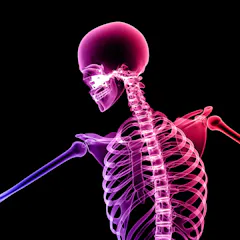
Analysis of bones from over hundreds and thousands of years ago suggests that our skeleton today is more fragile than that of our ancestors.

Recent findings say that sitting around is a ‘first world’ problem. In reality, it’s a bit more complicated than that.

Modern healthcare may be helping us live longer, but hunter-gatherers point to a less expensive option.

Our love affair with the chair has horrible consequences.

The Daily Mile started in a primary school in central Scotland six years ago. Now it has spread to 3,600 schools in 35 countries.
The days when health messages focus only on exercise that gets us out of breath could be coming to an end.

Governments must understand that the factors making cities convenient and productive also make their residents prone to obesity. They must confront this challenge with intelligent, focused policies.

One in five children are now obese by the time they turn 11.

If you sit all day at work, then cancer, diabetes, heart disease and death are the likely outcomes. A cardiologist explains how the simple act of counting can reverse this evolutionary trend.

A new study has been found that television viewing increases your risk of dying from an inflammatory-related condition like Alzheimer’s or Parkinson’s disease. But it’s more complicated than that.

Annoyed you don’t have a sit-stand desk? Spare a thought for those workers who have to stand all day: Standing may double the risk of heart disease.
Top contributors
-

Professor, research professor in exercise, nutrition and activity, Adelaide University
-
Professor of Health Sciences, Adelaide University
-
Professor of Physical Activity, Lifestyle, and Population Health, University of Sydney
-
Professor and Laboratory Head of Physical Activity, Baker Heart and Diabetes Institute
-
Professor Health Behaviour Dynamics, Glasgow Caledonian University
-
Professor, University of the Witwatersrand
-
Associate Professor of Behavioral Medicine, Columbia University
-
Professor of Environmental Humanities, University of Kent
-
Research Fellow, Iverson Health Innovation Research Institute, Swinburne University of Technology
-
Senior Research Fellow, Glasgow Caledonian University
-
Senior Lecturer in Public Health, Macquarie University
-
Deakin Distinguished Professor, Faculty of Health, Deakin University
-
Postdoctoral fellow, Behavioural Medicine Lab, School of Exercise Science, Physical & Health Education, University of Victoria
-
Research Officer, Leeds Beckett University
-
Professor of Applied Psychology, Glasgow Caledonian University