
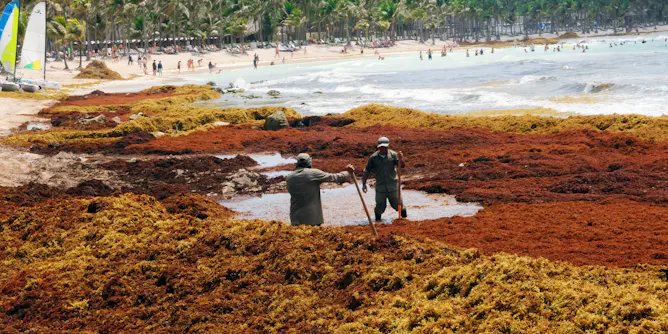
When free-floating patches of seaweed are pushed together by currents and winds, seaweed strandings can inundate the coastline with often devastating consequences.
Articles on Seaweed
Displaying 1 - 20 of 62 articles

Communities and entrepreneurs are experimenting with ways to turn this nuisance into a valuable resource.
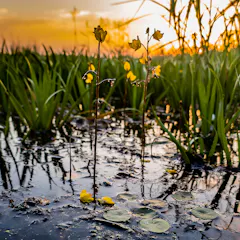
The rules for plants can be different in water.
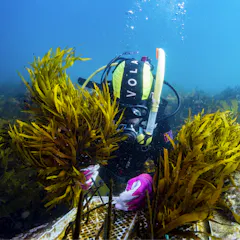
Many of Australia’s shimmering seaweed forests are disappearing as the oceans get hotter. It’s time for an insurance policy.
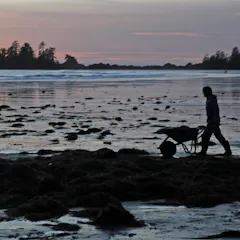
Seaweed aquaculture is attracting attention, but improved oversight is needed to prevent ecological impacts.
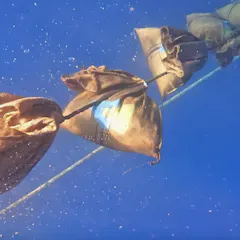
Ocean carbon removal is picking up, just as Microsoft pulls out as a major funder of carbon removal projects.
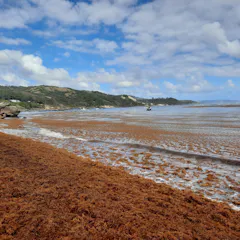
Floating seaweed can travel long distances to new territories and accumulate in large mats or wash ashore in huge quantities.
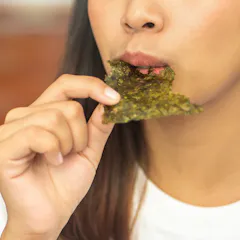
Before trying to persuade people to eat more seaweed, it’s important to understand the reasons they aren’t eating it already.
Beach vacations became popular only around the 19th-20th centuries – as part of the lifestyle of the wealthy.
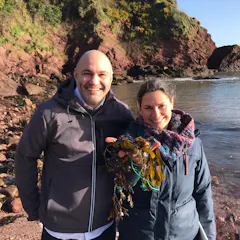
A chance encounter on a rocky seashore led one professor to invent autonomous robotics that can harvest the power of seaweed.
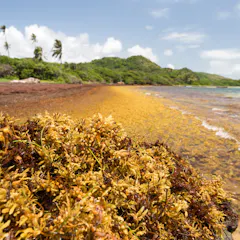
The sargassum problem is just one of many creeping slow onset events that is being exacerbated by climate change.

Without appropriate management, seaweed farming programmes could be dangerous for marine biodiversity and the benefits that humans get from the ocean.
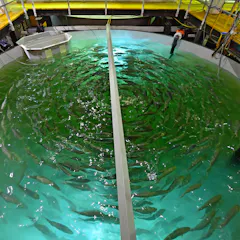
Many sea creatures lead complex, social lives in the wild and are likely to suffer in farmed conditions. But they aren’t mainstays of the aquaculture industry − yet.
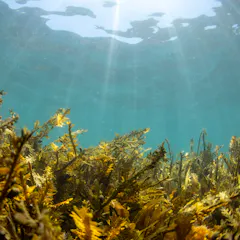
A study has suggested that consuming ecklonia cava – a type of brown algae – could prevent or delay the onset of Parkinson’s disease.
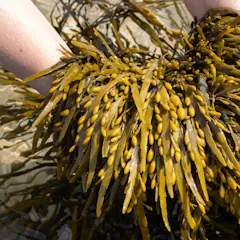
Seaweed can offer a variety of health benefits as a food and topical treatment
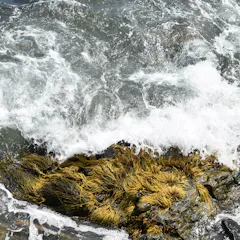
Underwater rivers ferry large volumes of seaweed from shallow seas into the deep, where its carbon is stored naturally
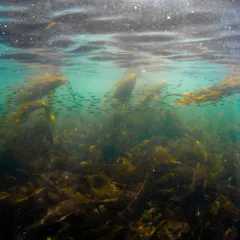
Kelp forests around the world, and in Canada, are under threat. New research sheds further light on the health, and resilience, of these crucial ecosystems.
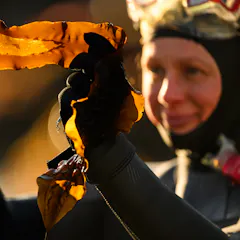
Kelp seaweed spores are being grown on small rocks and waste scallop shells as part of a trial exploring how to regenerate the UK’s coastal kelp forests.
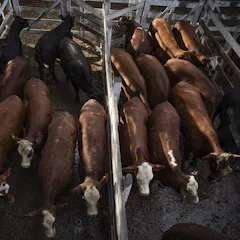
Cattle are major producers of methane, a potent greenhouse gas. But there are methods that can reduce their climate impact – if ranchers have incentive to use them.
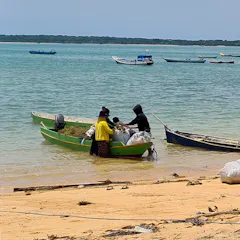
Instead of supporting Indonesia’s seaweed industry, an export ban could lower prices and reduce supply, without helping domestic processors to compete with foreign-owned companies.
Top contributors
-

Professor of Marine Botany, The University of Western Australia
-
Senior lecturer, The University of Queensland
-
Associate Professor in International Agricultural Development, The University of Queensland
-
Research Fellow in Ecology, The University of Western Australia
-
ARC Future Fellow in Marine Ecology, The University of Western Australia
-
Honorary Fellow, Australian Museum
-
Professor of Coastal Science, Florida International University
-
Research Fellow in Marine Ecology, Marine Biological Association
-
Department of Biology, Faculty of Mathematics and Natural Sciences, Hasanuddin University, Australia-Indonesia Centre
-
Professor in Marine Science, University of Otago
-
Professor in Oceanography and Public Engagement, Utrecht University
-
Professor in Palaebiology, University of Bristol
-
Postdoctoral Research Officer, Bangor University
-
Research scientist, Victoria University
-
Professor of Ocean Biogeochemistry and Palaeoclimate, The Open University