
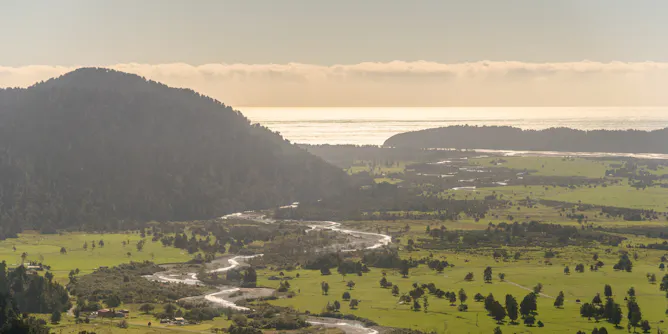
Over 200 million tonnes of sediment are transported by rivers to the sea each year, the most widespread water contaminant in the country. Its devastating impact on marine life has to be reversed.
Articles on Seaweed
Displaying 21 - 40 of 62 articles

To fight global warming we will soon have to try to remove carbon dioxide from the skies or find ways to reflect the Sun’s heat. Such radical paths must be examined, but risky experiments avoided.

‘Living materials’ made with genetically engineered bacteria and Jell-O-like gel could make pollutants in water bodies nontoxic.
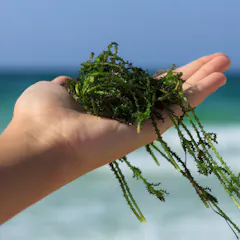
The decline of seaweed as part of the staple diet in Europe remains a mystery.
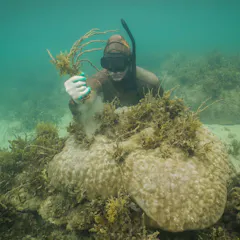
Many researchers are exploring high-tech ways to help reefs survive the climate crisis. But low-tech solutions like manually pulling out seaweed have a place too.
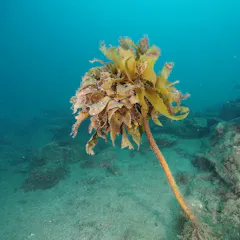
New findings suggest animal-mediated plant reproduction might have originated in the ocean.

We cannot afford to ignore kelp – these vibrant underwater forests have sustained people and ecosystems for centuries, and continue to do so today.
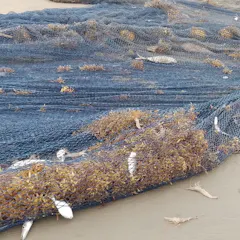
The seaweed invasion of parts of the Ghanaian shoreline is affecting coastal inhabitants.

Scientists are predicting a record sargassum bloom in 2023. It’s already starting to wash up on beaches in Florida and the Caribbean and cause a stink.
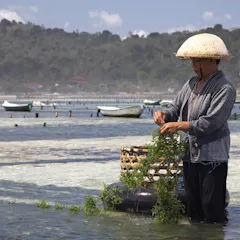
Our recent report identified how to make aquaculture – including shrimp and seaweed farming – more sustainable for Indonesians and for the environment.

Seaweed is in the spotlight for so many reasons. It all sounds too good to be true. So can this wonder weed live up to expectations and fulfill its promise to save us from ourselves?
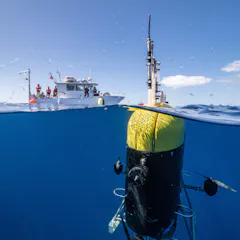
The ocean twilight zone could store vast amounts of carbon captured from the atmosphere, but first we need a 4D monitoring system to ensure ramping up carbon storage does no harm.
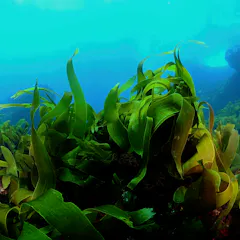
Our ocean forests of seaweed are enormous. But these quick-growing, life-supporting forests are already vanishing.
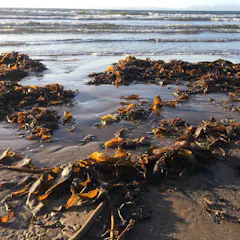
Seaweed has been eaten in some countries for years, but consumption is generally low.
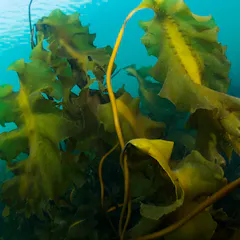
The abundance, versatility and quality of seaweed from the St. Lawrence makes this resource a real asset for Québec. We must now integrate it into our kitchens.
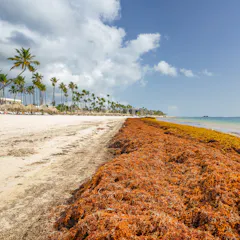
Rotting seaweed has plagued the Caribbean, Gulf of Mexico, US and West African coasts for a decade. So we’ve developed a new approach to turn what’s now rubbish into green electricity and fertiliser.
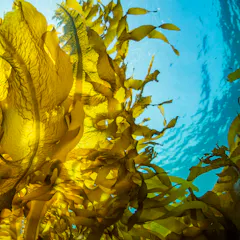
Seaweed was thought to be a vital tool in the fight to slow climate change. But it turns out seaweed ecosystems may be a natural source of carbon dioxide – and not a sink.
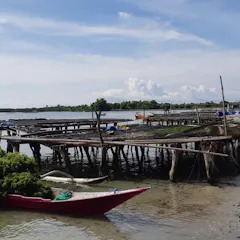
This research was funded by the Australian Government through the Australia-Indonesia Centre under the PAIR Program
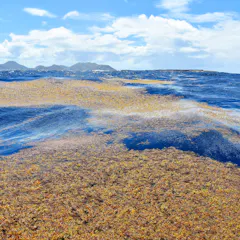
Huge blooms of brown seaweed have fouled Florida and Caribbean beaches almost every year over the past decade. They originate in Africa and South America. and are fueled by human activities.
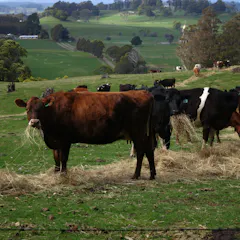
Cow burps and farts are no joke – they’re a big factor in climate change. A new study shows that daily seaweed supplements could tame this major methane source while saving ranchers money.
Top contributors
-

Professor of Marine Botany, The University of Western Australia
-
Senior lecturer, The University of Queensland
-
Associate Professor in International Agricultural Development, The University of Queensland
-
Research Fellow in Ecology, The University of Western Australia
-
ARC Future Fellow in Marine Ecology, The University of Western Australia
-
Honorary Fellow, Australian Museum
-
Professor of Coastal Science, Florida International University
-
Research Fellow in Marine Ecology, Marine Biological Association
-
Department of Biology, Faculty of Mathematics and Natural Sciences, Hasanuddin University, Australia-Indonesia Centre
-
Professor in Marine Science, University of Otago
-
Professor in Oceanography and Public Engagement, Utrecht University
-
Professor in Palaebiology, University of Bristol
-
Postdoctoral Research Officer, Bangor University
-
Research scientist, Victoria University
-
Professor of Ocean Biogeochemistry and Palaeoclimate, The Open University