
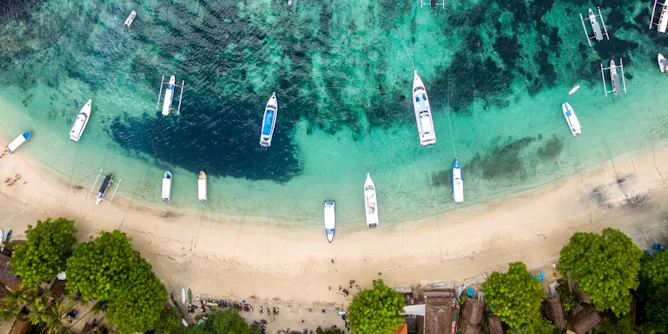
Satellite data reveals increased seaweed production during the COVID-19 pandemic
Articles on Seaweed
Displaying 41 - 60 of 62 articles
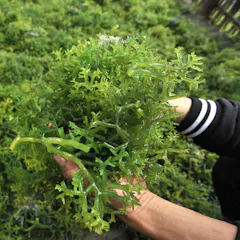
The success of Indonesia’s seaweed industry is also closely linked to the ability of Indonesian seaweed farmers to work around extreme seasonal variations in seaweed growth rates.
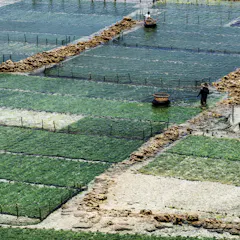
Awareness is increasing about foods like lab-grown meat, insects and seaweed. These foods may help address environmental challenges, but it’s important to be aware of both the costs and benefits.
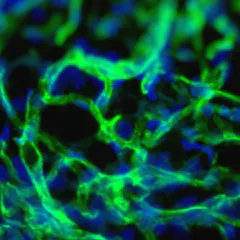
Small wounds can usually heal by themselves, but larger wounds can be a problem. With a little help from a seaweed we can help the body regenerate new blood vessels.
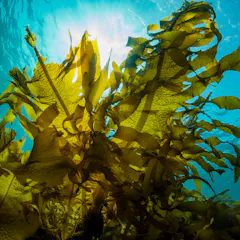
Feeding pigs seaweed could make them, us and the planet healthier without contributing to antibiotic resistance in bacteria.
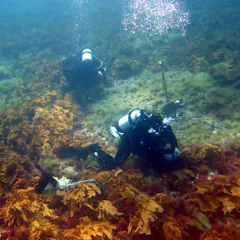
Marine heatwaves, like their land counterparts, are growing hotter and longer. Sea species in southeastern Australia, southeast Asia, northwestern Africa, Europe and eastern Canada are most at risk.
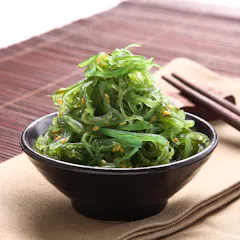
Climate change will affect the nutrition of seaweeds eaten by billions of people around the world.
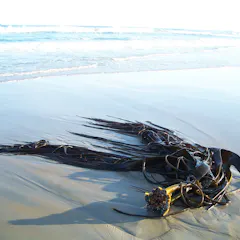
A chance discovery of some kelp that floated for 20,000km before washing up on an Antarctic beach has opened up a new chapter in our understanding of the currents that swirl around the Southern Ocean.

Indonesia is the world’s largest producer of the seaweed that offers a solution for the global plastic crisis.

The ocean is getting warmer and more acidic but changing our diet could help us cope.
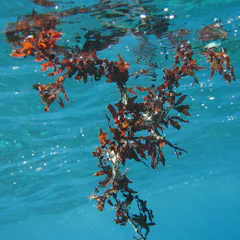
Tonight on the ABC’s Catalyst, scientist Tim Flannery asks if seaweed can save the world. It’s a bold claim for algae, but seaweed could play a key role in keeping climate change in check.

In an extract from his new book, Tim Flannery explains how giant kelp farms could suck carbon dioxide from the air and store it in the ocean’s depths, while encouraging species like fish and oysters.

Four organisms that show nature isn’t so easily categorised.
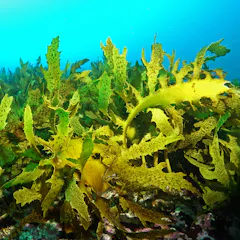
Cool-water kelp forests are being eaten by tropical species moving south on warming waters.

The Great Southern Reef covers 71,000 square km and contributes more than A$10 billion to Australia’s economy each year.
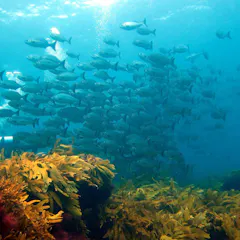
Western Australia’s marine environment is unique. Two world heritage areas, the largest fringing coral reef in Australia, and more than a thousand kilometres of underwater forests, supporting incredible…
Sydney marine ecologists have successfully restored specimens of crayweed (Phyllospora comosa) on a barren reef at Long Bay…
A new study from the University of Western Australia shows that innovations for the use of seaweed would be boosted by a…
An extreme ocean heatwave in 2010-11 caused important habitat-forming seaweed to retract its range by 100km off the Western…
Research into the after effects of a heatwave in the waters of the Indian Ocean has yielded insights into how climate extremes…
Top contributors
-

Professor of Marine Botany, The University of Western Australia
-
Senior lecturer, The University of Queensland
-
Associate Professor in International Agricultural Development, The University of Queensland
-
Research Fellow in Ecology, The University of Western Australia
-
ARC Future Fellow in Marine Ecology, The University of Western Australia
-
Honorary Fellow, Australian Museum
-
Professor of Coastal Science, Florida International University
-
Research Fellow in Marine Ecology, Marine Biological Association
-
Department of Biology, Faculty of Mathematics and Natural Sciences, Hasanuddin University, Australia-Indonesia Centre
-
Professor in Marine Science, University of Otago
-
Professor in Oceanography and Public Engagement, Utrecht University
-
Professor in Palaebiology, University of Bristol
-
Postdoctoral Research Officer, Bangor University
-
Research scientist, Victoria University
-
Professor of Ocean Biogeochemistry and Palaeoclimate, The Open University