
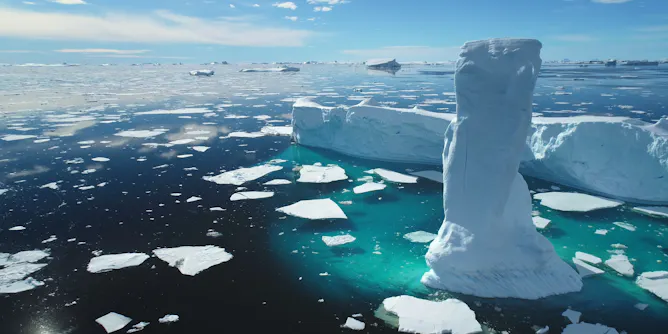
New research shows melting ice is causing the Atlantic Meridional Overturning Circulation (AMOC) to slow down, with widespread consequences for the world’s climate and ecosystems.
Articles on Sea ice
Displaying 21 - 40 of 109 articles

These powerful ‘rivers in the sky’ provide a huge share of annual precipitation in many regions, including California. They can also melt sea ice, with global climate implications.

As a record-hot summer comes to a close, an atmospheric scientist explains how global warming drove long periods of extreme heat.
In the first of two episodes on geoengineering, The Conversation Weekly examines the case for repairing the climate with technological interventions.

In some of the most remote places on Earth, tags attached to seals collect data at the cutting edge of ocean science.
Four years of persistent ozone holes have sparked concern about what more UV is doing to Antarctic ecosystems.
In 1898, a pioneering Antarctic expedition was stuck in sea ice for over a year. In 2024, that area is open water.
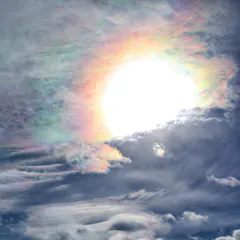
A UN meeting this week considered a motion on a suite of technologies known as ‘solar radiation modification’, but no consensus could be reached on the controversial topic.
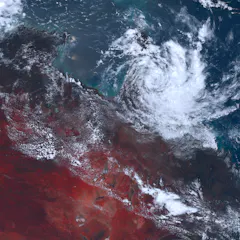
Last year was the hottest in recorded history. That heat led to a range of unusually intense weather events across Australia.

The early heat melted snow and warmed rivers, heating up the land and downstream ocean areas. The effects harmed salmon fisheries, melted sea ice and fueled widespread fires.
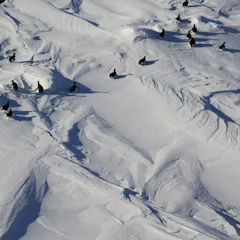
Sea ice around Antarctica has always followed a predictable seasonal cycle. Now, we’ve experienced a sudden dramatic loss, and the changes are here to stay.
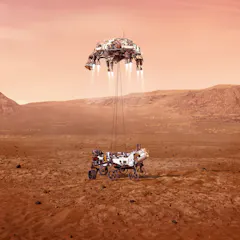
Climate change and the nuclear threat are raising concerns about our planet’s future ability to support human life. If we launch a species survival mission, who should go?
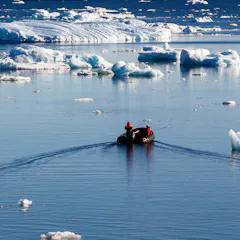
Sea ice extent in July 2023 has been around 10% below last year’s record low for the month.
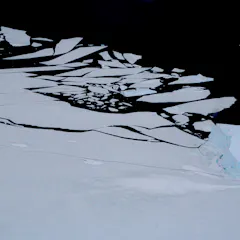
More trouble in Antarctica: the extent of frozen seawater fastened to the coast (called landfast ice) hit a record low in March 2022. If this trend persists, the consequences could be catastrophic.
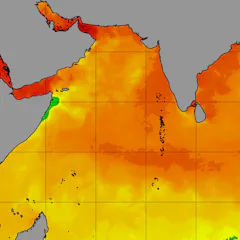
Drought in Europe, dwindling Arctic sea ice, a slow start to the Indian monsoon – unusually hot ocean temperatures can disrupt climate patterns around the world, as an ocean scientist explains.
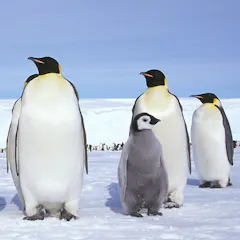
We are on a trajectory that takes Earth across thresholds humans have never experienced, into a climate where Antarctica’s ice shelves can no longer exist, leading to several metres of sea-level rise.
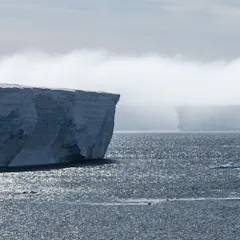
Freshening seawater around Antarctica is disrupting a global ocean conveyor which regulates the climate.

A short history of predicting an ice-free Arctic – and why you should listen to this one.

Scientists have detected a 30% slowdown of the deep ocean currents that form in Antarctica, with profound consequences for Earth’s climate, sea level and marine life.
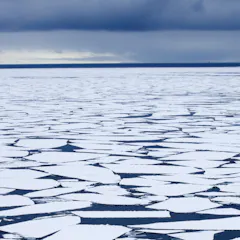
The world’s oceans regulate our climate, but they are entering uncharted territory, with record surface warming and changes to Antarctica’s deep meltwater which drives global currents.
Top contributors
-

Alaska Climate Specialist, University of Alaska Fairbanks
-
NERC Independent Research Fellow in Oceanography, University of Southampton
-
Senior Scientist, National Snow and Ice Data Center (NSIDC), Cooperative Institute for Research in Environmental Sciences (CIRES), University of Colorado Boulder
-
Deputy Lead Scientist, National Snow and Ice Data Center (NSIDC), Cooperative Institute for Research in Environmental Sciences (CIRES), University of Colorado Boulder
-
Associate Scientist, Woods Hole Oceanographic Institution
-
Professor of Glaciology and Earth Observation, University of Bristol
-
Research Professor of Geography and Director, National Snow and Ice Data Center, University of Colorado Boulder
-
Australian Laureate Fellow, Distinguished Professor, Deputy Director of ARC Securing Antarctica's Environmental Future (SAEF), University of Wollongong
-
Chief Scientist, Australian Antarctic Division and Professor of Climate Science, Australian National University
-
Director of the ARC Centre of Excellence for Our Future Oceans and Scientia Professor in Oceanography, UNSW
-
Professor of Physical Oceanography, Bangor University
-
Senior Research Associate in Physical Oceanography, University of Tasmania
-
Associate Professor in Environmental History, University of Tasmania
-
ARC Future Fellow, IMAS and ACE CRC, University of Tasmania
-
ARC Future Fellow and Associate Professor in Climate Science, ARC Centre of Excellence for 21st Century Weather, The University of Melbourne