

If all the ice in the Wilkes Subglacial Basin melted, it would raise global sea levels 3 to 4 metres. It happened before – at temperatures we’re heading towards
Articles on Sea ice
Displaying 1 - 20 of 109 articles

New research shows Arctic winter sea ice loss has not stopped – it was temporarily hidden by natural variability.

This remarkable seasonal change in Antarctic sea ice is like a heartbeat within our planet’s climate system. We need to better understand it.

In the Antarctic, things may be unfolding faster than climate models predicted – new study.
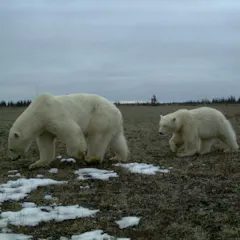
Researchers found that the more time bears were off the ice, the more likely they were to approach human sites.

Solar cycles, sea ice and rising electricity use all play a role. So does an unhealthy surprise that has been quietly hiding a large amount of global warming – until now.

With the loss of sea ice, tiny filter feeders known as ‘salps’ can thrive, while shrimp-like krill lose out.
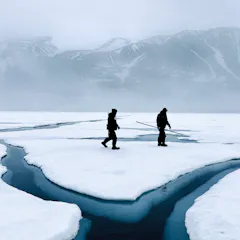
The 20th anniversary of the annual report tracks how sea ice, snow cover and many other vital signs of the Arctic have changed, and the impact that’s having on people and wildlife.

The link between feeding and breeding makes whales a living barometer of ocean health.

A polar scientist explains the changes hunters who rely on the ice are seeing off Utqiagvik, and how those shifts are echoed in satellite data and climate models.
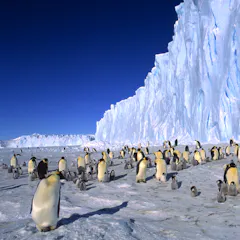
The vast ice of Antarctica has long seemed impregnable. But sudden changes are arriving – from shrinking sea ice to melting ice sheets and slowing ocean currents.
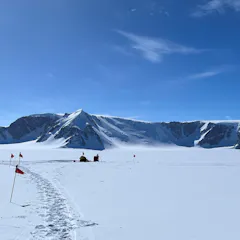
The Māori language describes 12 distinct types of snow. Researchers are identifying them in Antarctica as part of a project that connects Western science with Indigenous knowledge.

New research explores the wide-ranging consequences of record low summer sea ice in Antarctica. From more ocean warming to extra icebergs, it’s bad news we must hear.

Scientists once thought Antarctica might hold onto its sea ice as the world warmed. No longer.
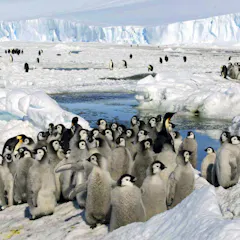
Emperor penguin populations are falling much faster than expected. Ice is melting beneath their chicks before they’re ready.
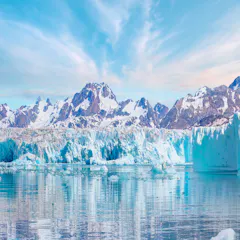
Greenland is key to understanding rising sea levels and the balance of global climate systems.

The polar regions are cold, remote and off-putting, but there are thousands of polar words in English – and not just words for snow and ice.
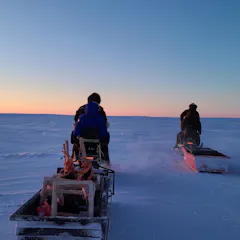
Scientists are pumping seawater onto existing ice to make it thicker and more resilient.
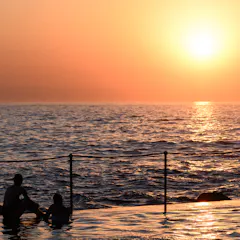
Oceans cover more than 70% of Earth’s surface, and their warming is gravely concerning. So how much is down to climate change?
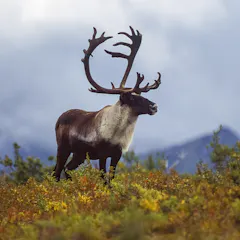
Rapid changes underway in the Arctic affect the region’s people and wildlife, and the entire planet.
Top contributors
-

Alaska Climate Specialist, University of Alaska Fairbanks
-
NERC Independent Research Fellow in Oceanography, University of Southampton
-
Senior Scientist, National Snow and Ice Data Center (NSIDC), Cooperative Institute for Research in Environmental Sciences (CIRES), University of Colorado Boulder
-
Deputy Lead Scientist, National Snow and Ice Data Center (NSIDC), Cooperative Institute for Research in Environmental Sciences (CIRES), University of Colorado Boulder
-
Associate Scientist, Woods Hole Oceanographic Institution
-
Professor of Glaciology and Earth Observation, University of Bristol
-
Research Professor of Geography and Director, National Snow and Ice Data Center, University of Colorado Boulder
-
Australian Laureate Fellow, Distinguished Professor, Deputy Director of ARC Securing Antarctica's Environmental Future (SAEF), University of Wollongong
-
Chief Scientist, Australian Antarctic Division and Professor of Climate Science, Australian National University
-
Director of the ARC Centre of Excellence for Our Future Oceans and Scientia Professor in Oceanography, UNSW
-
Professor of Physical Oceanography, Bangor University
-
Senior Research Associate in Physical Oceanography, University of Tasmania
-
Associate Professor in Environmental History, University of Tasmania
-
ARC Future Fellow, IMAS and ACE CRC, University of Tasmania
-
ARC Future Fellow and Associate Professor in Climate Science, ARC Centre of Excellence for 21st Century Weather, The University of Melbourne