

Spaceflight can reproduce some changes associated with later life within weeks, offering clues about muscle loss, frailty and recovery.
Articles on Sarcopenia
Displaying 1 - 20 of 24 articles
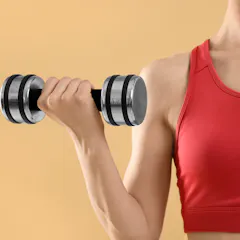
Muscle strength is crucial for good health.
2025 was not the year protein finally got its due. It was the year protein was oversold, overvalued and overhyped. The science of protein has not changed; we just need to listen to it again.
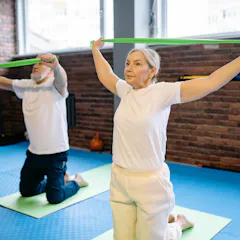
Even modest amounts of strength training, even with lighter weights, can meaningfully preserve muscle and maintain your ability to move with confidence.

Engaging in adapted physical activity (APA) is recommended for managing cancer-related fatigue at various stages of the disease. Here’s an example focused on breast cancer.

Early clinical trials suggest that people who lose weight with drugs like Ozempic lose lean mass as well as fat, which could have consequences for older adults at risk of muscle loss.
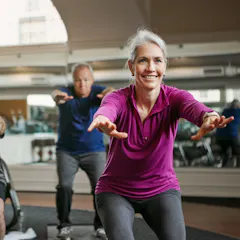
For healthy aging, it’s crucial to distinguish between lifespan and healthspan: the amount of time for which a person is healthy within their lifespan. Maintaining muscle is key to a longer healthspan.
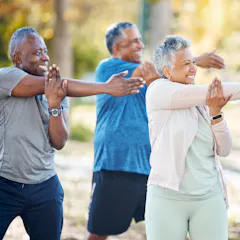
Plant-based protein sources can be as effective as animal-based protein sources to build muscle in older adults.
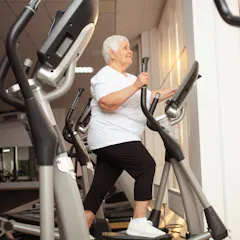
Sarcopenic obesity can creep up on us gradually over time. People might not appear frail or thin, but may have in fact already lost quite a lot of muscle through lack of use.
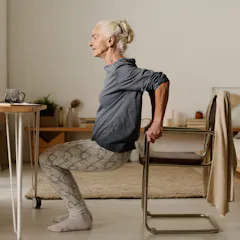
Shorter bouts of exercise – as little as 20 seconds at a time – could do you a world of good.
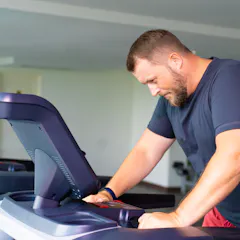
When we’re trying to lose weight and the number on the scales drops rapidly, it seems like we’re on the right track. But losing weight too quickly can cause the loss of muscle, as well as fat.
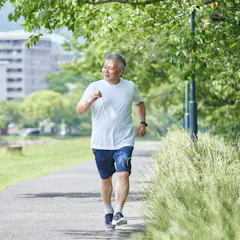
There are ways to incorporate strength-training components into walking to improve your muscle strength and balance.

When we reach adulthood, protein requirements differ for men and women. But should you be eating more as you get older?
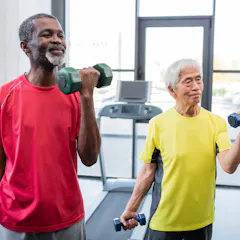
It’s never too late to start.
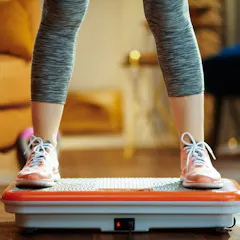
Whole-body vibration training is gaining interest as it’s easier to do than regular exercise.

Many think of muscle mass loss as a problem that mostly affects older people, but even people in their early 20s can experience rapid muscle loss under certain conditions.
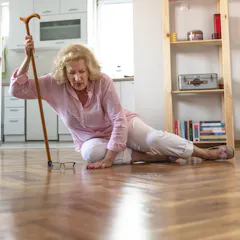
Loss of muscle mass is a growing concern for the tens of millions of older Americans. It leads to falls and increased isolation, already a huge problem during coronavirus.
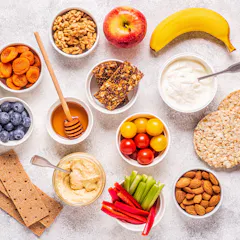
The only way to gain weight is to eat more calories than your body requires.
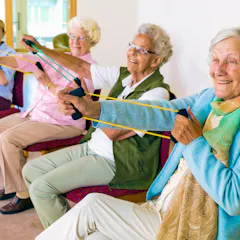
Without proper care, lockdown measures during the COVID-19 pandemic could worsen muscle loss and long-term health in ageing populations.
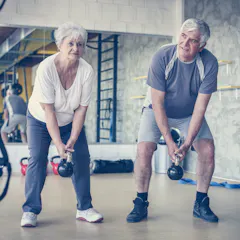
The vitamin could also protect against sarcopenia, which affects more than 50 million people globally.
Top contributors
-

Postdoctoral Fellow, Department of Kinesiology, McMaster University
-
Associate Professor (Research) and NHMRC Emerging Leadership Fellow, Deakin University
-
Professor of Exercise and Ageing, Institute for Physical Activity and Nutrition, Deakin University, Deakin University
-
Professor, Kinesiology, Tier 1 Canada Research Chair in Skeletal Muscle Health, McMaster University
-
Associate Dean of Research, Faculty of Health Sciences and Medicine, Bond University
-
Ken Nosaka is a Friend of The Conversation.
Professor of Exercise and Sports Science, Edith Cowan University
-
Lecturer in Nutrition and Dietetics, Glasgow Caledonian University
-
Assistant Professor in Physiology and Biochemistry, University of Nottingham
-
Personal Chair in Nutrition, The Rowett Institute, University of Aberdeen
-
PhD candidate, McMaster University
-
PhD Candidate, University of Bradford
-
Assistant Professor in Anatomy and Musculoskeletal Science, University of Bradford
-
Senior Lecturer, Strength and Conditioning Sciences, Deakin University
-
Professor of Stem Cell Biology, Liverpool John Moores University
-
Research Assistant, University of Aberdeen