

Spaceflight can reproduce some changes associated with later life within weeks, offering clues about muscle loss, frailty and recovery.
Articles on Muscle loss
Displaying 1 - 20 of 22 articles
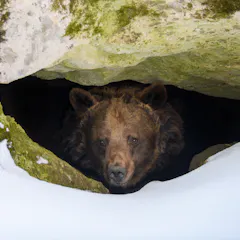
While humans lose muscle within weeks of inactivity, brown bears preserve muscle during hibernation, offering clues for maintaining our muscle health.
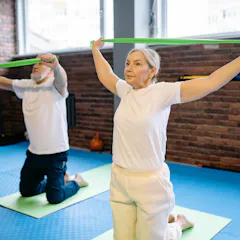
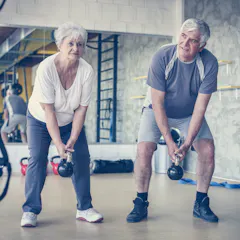
Even modest amounts of strength training, even with lighter weights, can meaningfully preserve muscle and maintain your ability to move with confidence.

Many cancer survivors struggle with muscle weakness, which can be so profound that they may have difficulties walking up a couple of flights of stairs or going shopping for groceries on their own.
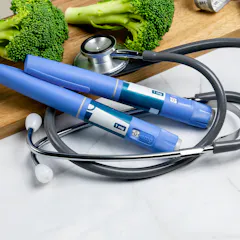
Early clinical trials suggest that people who lose weight with drugs like Ozempic lose lean mass as well as fat, which could have consequences for older adults at risk of muscle loss.
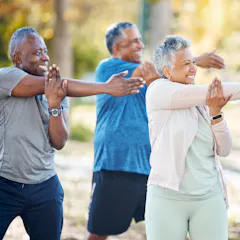
Plant-based protein sources can be as effective as animal-based protein sources to build muscle in older adults.
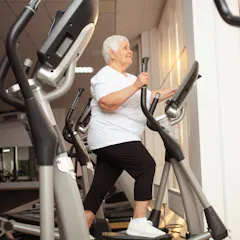
Sarcopenic obesity can creep up on us gradually over time. People might not appear frail or thin, but may have in fact already lost quite a lot of muscle through lack of use.
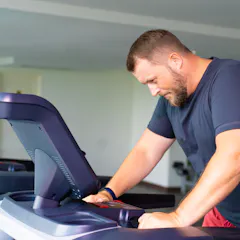
When we’re trying to lose weight and the number on the scales drops rapidly, it seems like we’re on the right track. But losing weight too quickly can cause the loss of muscle, as well as fat.
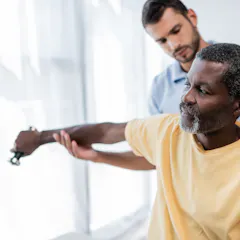
Cachexia — significant loss of weight and muscle mass — has a massive impact on cancer outcomes and patient quality of life. The sooner it is detected, the better chance there is to manage it.

The heaviest drinkers had around 5% less muscle than those who didn’t drink at all.
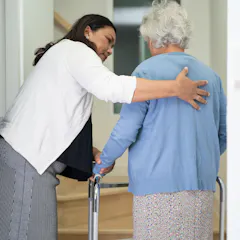
Lifestyle factors like physical activity, diet and sleep can lower the ‘biological age’ of your cells and tissues and reduce age-related physical decline.
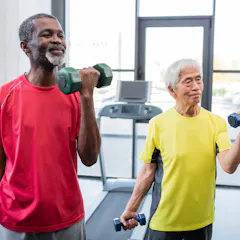
It’s never too late to start.
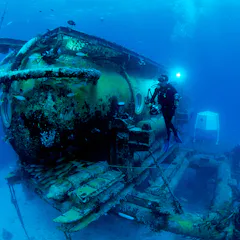
Dr Joe Dituri is hoping to set a world record during his experiment.
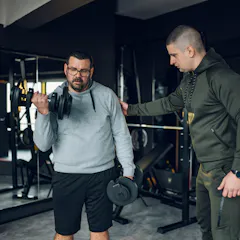
Every year after age 30 we progressively lose muscle mass. But that doesn’t mean there’s nothing you can do about it.
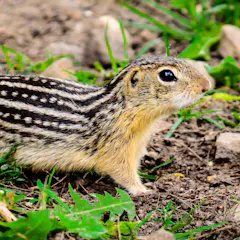
Months not eating or moving don’t result in muscle wasting and loss of function for animals that hibernate. New research found gut microbes help their hosts hold onto and use nitrogen to build proteins.
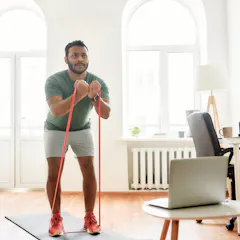
Many think of muscle mass loss as a problem that mostly affects older people, but even people in their early 20s can experience rapid muscle loss under certain conditions.
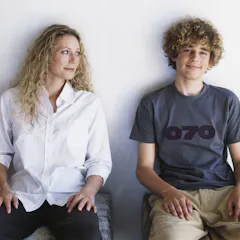
There are some factors you can’t change about your metabolism. But there are things you can do to influence how much energy your body uses over the course of the day.
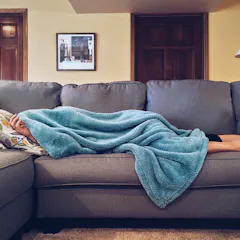
Most people know the benefits of physical activity. However, we tend to be less aware of how damaging inactivity can be, even for short periods — especially for older adults.
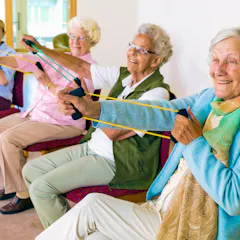
Without proper care, lockdown measures during the COVID-19 pandemic could worsen muscle loss and long-term health in ageing populations.
The vitamin could also protect against sarcopenia, which affects more than 50 million people globally.
Top contributors
-

Professor of Nutritional Epidemiology, University of East Anglia
-
Associate Professor (Research) and NHMRC Emerging Leadership Fellow, Deakin University
-
Assistant Professor in Nutrition and Healthy Aging, University of British Columbia
-
Reader in Ageing Physiology, University of Westminster
-
Clinical Trials Director, Department of Endocrinology, RPA Hospital, University of Sydney
-
Lecturer in Medical Statistics, University of East Anglia
-
Assistant Professor of Biological Sciences, Université de Montréal
-
Postdoctoral Fellow, Faculty of Health Sciences, McMaster University
-
Professor of Exercise and Ageing, Institute for Physical Activity and Nutrition, Deakin University, Deakin University
-
PhD candidate, McMaster University
-
Postdoctoral Fellow, Department of Kinesiology, McMaster University
-
Associate Professor of Physical Therapy and Rehabilitation Science, Tufts University
-
Professor of Stem Cell Biology, Liverpool John Moores University
-
Assistant Professor in Clinical, Metabolic and Molecular Physiology, University of Nottingham
-
Senior Lecturer in Nutrition and Exercise Physiology, Liverpool John Moores University