
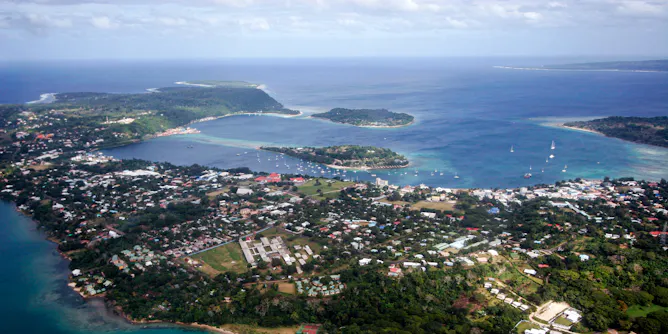
Our new research shows weak infrastructure and climate events such as cyclones and floods make sanitation conditions even poorer for many people living in the Pacific Islands.
Articles on Sanitation
Displaying 21 - 40 of 120 articles
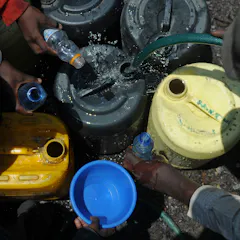
Nigeria is prone to a variety of factors that lead to recurring cholera outbreaks.

Sanitation in Shanghai is not just about cleanliness but also power, culture and social norms.
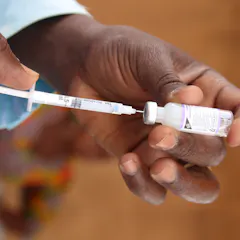
Hepatitis E is a global health problem with about 20 million cases occurring annually, three million symptomatic cases, and 60,000 deaths.
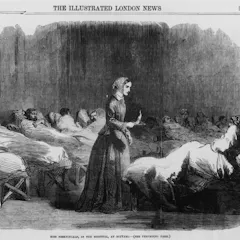
Among her 5 decades of accomplishments, Nightingale founded the world’s first nursing school and advocated health care for all.
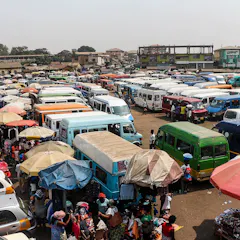
Critics have described Ghana’s emissions tax as premature.
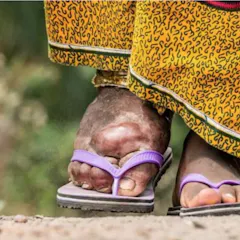
In rural Ghana, only 18% of patients believe elephantiasis is a disease. Some others think it is caused by curses or even rain. Only by understanding local beliefs can it be treated effectively.
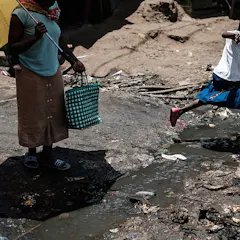
The struggle with open defecation is a silent emergency, undermining the continent’s efforts towards sustainable development goals.
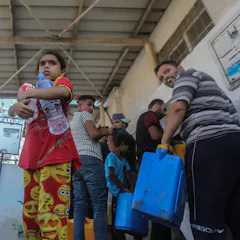
As the war between Hamas and Israel grinds forward, two experts explain how Israelis and Palestinians have cooperated to tackle their region’s water challenges.

As US cities struggle to reduce homelessness, two scholars explain how planners can reform shelter design to be more humane and to prioritize mental health and well-being.
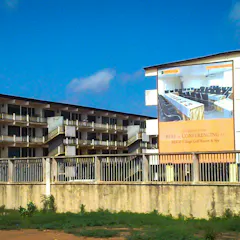
Ghana’s housing deficit needs immediate attention.
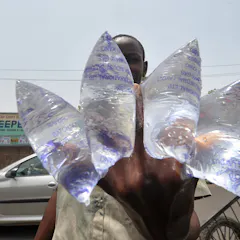
Nigerians lack access to safe water, sanitation and hygiene facilities despite investment in these areas. Procurement law contributes to this inadvertently.
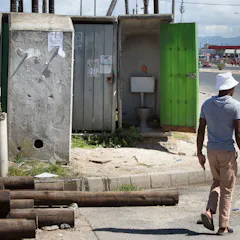
Flushing toilets use around nine to 12 litres of water per flush. And that is potable water.

Ultraviolet radiation at specific wavelengths is great at killing germs – but when used incorrectly, it can also cause health risks.

You’re meant to carry out your poo, if you visit Australia’s alpine backcountry. But not many people do – and it’s leaving plenty of evidence.
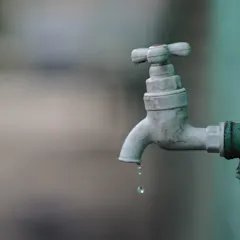
South Africa’s water situation is complex. It needs better monitoring and implementation of plans.

Cameroon’s Anglophone crisis could escalate into a complex disaster emergency with dire environmental consequences.
500 million people live in 19 African countries deemed “water insecure”.

Female residents of Indonesian fishing village Tambak Lorok show a unique response in dealing with the pandemic.
Access to water and other sanitation infrastructure depended on income level.
Top contributors
-

Senior Lecturer in Global Health, The University of Western Australia
-
Assistant Professor, Hubert Department of Global Health, Rollins School of Public Health, Emory University
-
Gradute Research Fellow, Obafemi Awolowo University
-
Chief Research Specialist., Human Sciences Research Council
-
Professor of Ecosystems Engineering, Newcastle University
-
Associate Professor, University of Birmingham
-
Director DST-NRF Centre of Excellence in Food Security, University of the Western Cape
-
Visiting Adjunct Professor, School of Governance, University of the Witwatersrand
-
Lecturer and course director in Water Science, Policy and Management, University of Oxford
-
Research Director, Development Capable and Ethical State, Human Sciences Research Council
-
Associate Professor in Public Health, The University of Queensland
-
Senior Lecturer Emeritus, Stellenbosch University
-
Professor and Research Theme Leader of the Flourishing Life Research Theme, University of the Free State
-
Research Fellow, Queen's University Belfast
-
Director DNDi Eastern Africa and Senior Principal Research Scientist, KEMRI, Kenya Medical Research Institute