
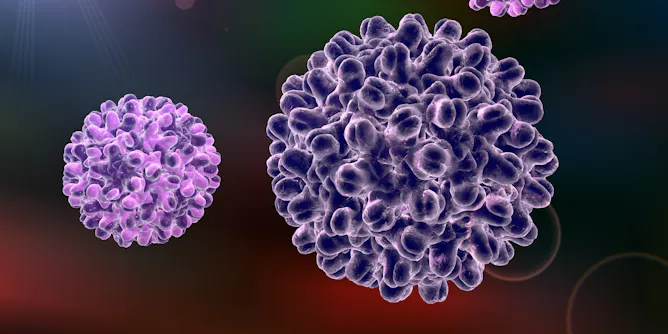
Hepatitis viruses are serious infections that damage the liver. There is an urgent need to deal with increased Hepatitis B infections in Kenya.
Articles on Sanitation
Displaying 81 - 100 of 120 articles

The 17 Sustainable Development Goals have distinct functions but are interrelated and requires an integrated approach from both scientists and policymakers.

Cholera is caused by a lack of access to clean drinking water and unhygienic conditions. Misuse of antibiotics makes it difficult and expensive to treat outbreaks.
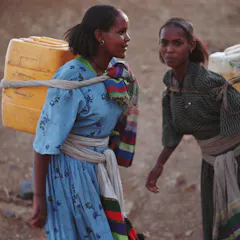
According to a new UN report, more than two billion people around the world do not have access to clean, safe water in their homes. Most of the work of getting water falls to women and girls.

It’s a dirty scientific job – but it could save lives.

Tackling the challenge of stunting in South Africa needs a convergence of science and policy along with better coordination at all levels of government.

South Africa did a brilliant job of increasing access to safe water for millions of people after the first democratic elections in 1994. But it hasn’t kept up the good work.

The invention of the flush toilet was probably one of the most unsustainable innovations in human history.
Cholera is estimated to infect between 3 to 5 million people globally, every year.
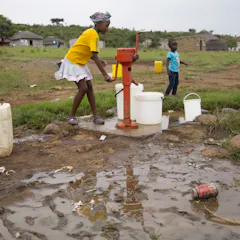
Massive state capture activity is taking place in the South African water sector under the guise of radical economic transformation, threatening financial sustainability and water supply.
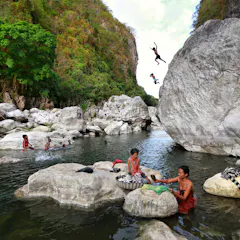
Community participation is vital to achieve the Sustainable Development Goals. But at the moment it often comes too little, too late.

Progress in terms of water and sanitation has traditionally favoured those with money. But the hope with the SDG’s is that this gap will be plugged in the future.
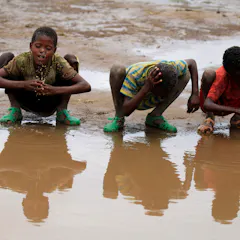
The first international water decade was a great success … so why do we need another?
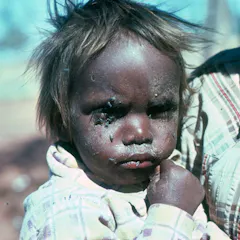
As Australia joins a New York summit to discuss the UN Sustainable Development Goals, it still faces questions over whether it is meeting water standards at home.
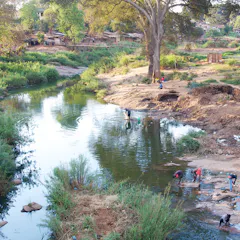
There have been modest improvements in water and sanitation provision in Africa, but there is still a long way to go. Most citizens rate their governments’ performance in this sphere poorly.
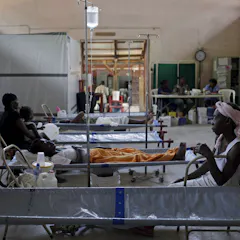
Unless drinking water and sanitation infrastructure are improved, cholera could remain in Haiti indefinitely.

Indian Prime Minister Narendra Modi wants to bring 1.5 million toilets to the 600 million Indians without access by 2019. If he fails that could prove dangerous in an election year.
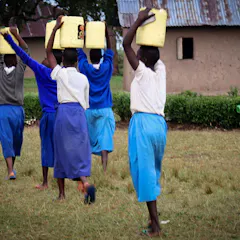
Many women in developing countries spend hours every day fetching water for their families. Reducing the burden of water work will improve their health and welfare.

The danger with typhoid is that symptoms are quite insidious and mimic those of other infectious diseases.
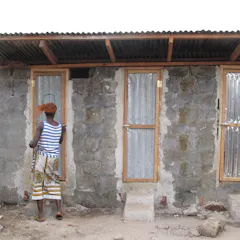
While everyone needs access to proper sanitation to stay healthy, for girls and women it is also an issue of safety and equal participation in society.
Top contributors
-

Senior Lecturer in Global Health, The University of Western Australia
-
Assistant Professor, Hubert Department of Global Health, Rollins School of Public Health, Emory University
-
Gradute Research Fellow, Obafemi Awolowo University
-
Chief Research Specialist., Human Sciences Research Council
-
Professor of Ecosystems Engineering, Newcastle University
-
Associate Professor, University of Birmingham
-
Director DST-NRF Centre of Excellence in Food Security, University of the Western Cape
-
Visiting Adjunct Professor, School of Governance, University of the Witwatersrand
-
Lecturer and course director in Water Science, Policy and Management, University of Oxford
-
Research Director, Development Capable and Ethical State, Human Sciences Research Council
-
Associate Professor in Public Health, The University of Queensland
-
Senior Lecturer Emeritus, Stellenbosch University
-
Professor and Research Theme Leader of the Flourishing Life Research Theme, University of the Free State
-
Research Fellow, Queen's University Belfast
-
Director DNDi Eastern Africa and Senior Principal Research Scientist, KEMRI, Kenya Medical Research Institute