
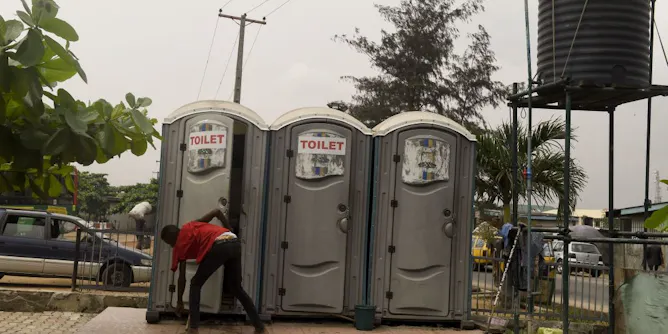
The government must shore up efforts to finance water and sanitation in Nigeria.
Articles on Sanitation
Displaying 41 - 60 of 120 articles

Victorian-era engineering is struggling under decades of underinvestment.
The Nigerian government must shore up efforts to stop the pollution of aquatic environments.
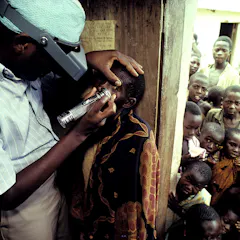
The Gambia’s success in eliminating trachoma means that resources previously allocated to combating the disease can now be reallocated to other public health conditions
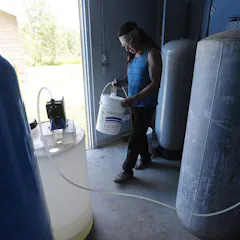
While investments are important, what’s more important is the process and mechanisms through which Indigenous people access funding.
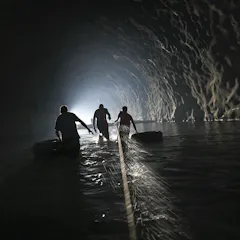
Water privatization is often seen as a solution to municipal budget shortfalls and aging water systems.

Water at informal settlements, where sanitation and waste management facilities were absent, had high bacteria levels.
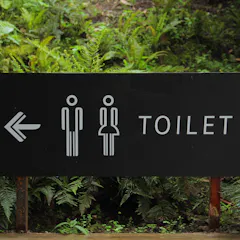
Communication between programmers and local communities can provide good opportunities in the toilet prototyping process from the beginning of the design process.
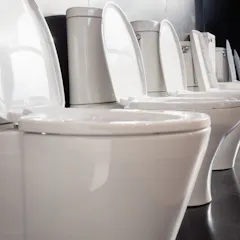
Most of the wastewater produced worldwide receives no treatment and the nutrients in wastewater go to waste. Here’s how households can draw these nutrients from urine and use them as fertilisers.

Will the COVID-19 pandemic change the global balance of power? It wouldn’t be the first time.
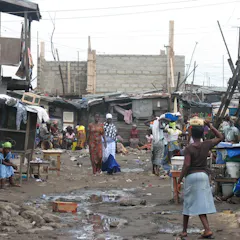
In cross-sector collaboration, communities and citizens articulate their needs and then partner with governments and NGOs to address these self-identified problems.
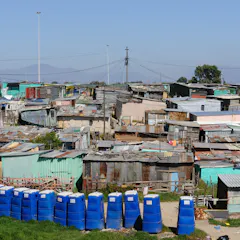
Studies globally have made the link between the lack of adequate sanitation, particularly open defecation or shared community toilet facilities, and the increased risk of women and girls being raped.
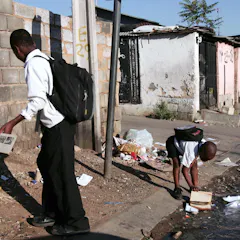
There is no clear delineation of roles and responsibilities relating to the integration of clean water, sanitation, safe hygiene and nutritional status.

Coronavirus has amplified the fact that inadequate toilet access has long been a feature of UK life for many, including women and the disabled. Vulnerable people deserve better.
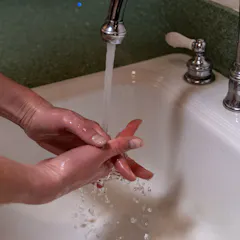
Even in hospitals, where hand hygiene is vital, staff don’t always remember to wash their hands. What hope is there for the rest of us? Thankfully, research on handwashing behaviours has some answers.
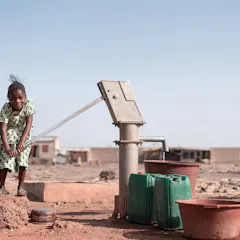
Superbugs spread through the environment – and it needs urgent attention.
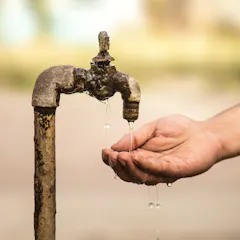
During normal times, and even more during the present pandemic, access to clean water and proper sanitation is essential.
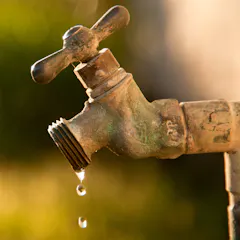
With no place to wash hands and nowhere to physically isolate, many poor Indonesians are incredibly vulnerable as COVID-19 sweeps through the global south.

Unlike in wealthy nations, lockdowns are simply impossible in overcrowded conditions with no sanitation and high levels of poverty.
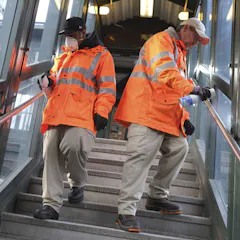
The coronavirus, like many infectious diseases, can live and spread on inanimate objects in the world around us. An epidemiologist explains how and gives some advice on how to minimize the risk.
Top contributors
-

Senior Lecturer in Global Health, The University of Western Australia
-
Assistant Professor, Hubert Department of Global Health, Rollins School of Public Health, Emory University
-
Gradute Research Fellow, Obafemi Awolowo University
-
Chief Research Specialist., Human Sciences Research Council
-
Professor of Ecosystems Engineering, Newcastle University
-
Associate Professor, University of Birmingham
-
Director DST-NRF Centre of Excellence in Food Security, University of the Western Cape
-
Visiting Adjunct Professor, School of Governance, University of the Witwatersrand
-
Lecturer and course director in Water Science, Policy and Management, University of Oxford
-
Research Director, Development Capable and Ethical State, Human Sciences Research Council
-
Associate Professor in Public Health, The University of Queensland
-
Senior Lecturer Emeritus, Stellenbosch University
-
Professor and Research Theme Leader of the Flourishing Life Research Theme, University of the Free State
-
Research Fellow, Queen's University Belfast
-
Director DNDi Eastern Africa and Senior Principal Research Scientist, KEMRI, Kenya Medical Research Institute