
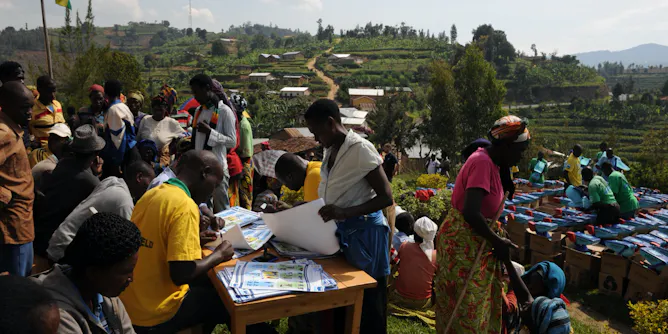
The Tubeho Neza programme has showed that it is possible to provide interventions against major diseases to vulnerable households.
Articles on Sanitation
Displaying 61 - 80 of 120 articles
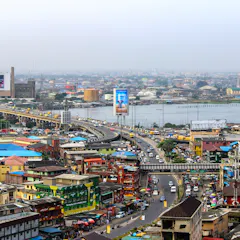
The foundations of orderliness for any city are planning and management. Lagos had this in place in the early days.

Because Helicobacter Pylori is contagious, treating it properly is key to preventing its spread.
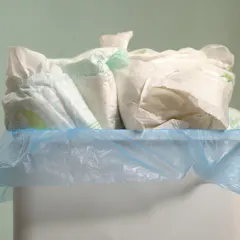
Vanuatu has banned them outright, while many Chinese families use just one every 24 hours. So why are Australians still sending millions of dirty nappies to landfill every single day?
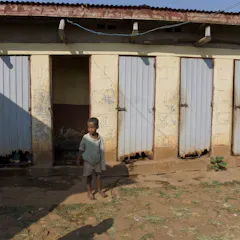
Research shows that targeting poor communities will go a long way in solving the country’s open defecation issues.
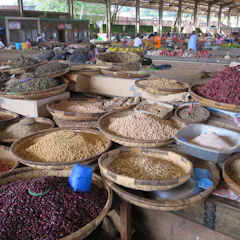
Across Africa less than 10% of the population is connected to a sewer system. But the waste could be used elsewhere.

Antibiotic resistance is common in bacteria where there’s a large human population and poor sanitation. For the first time however, it’s been found in the remote Arctic.
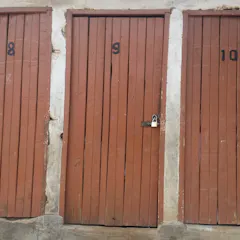
Women in developing countries are burdened by the lack of access to proper toilets in their homes, communities, schools and public spaces.

There are numerous examples of failed aid projects, where sanitation systems have been installed without consulting local people, then abandoned by the community after the project team has departed.
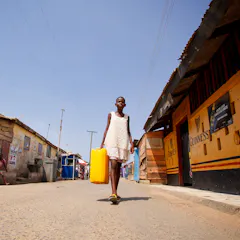
Providing people with clean drinking water and sanitation is less expensive than grid electrification and it could improve more lives.
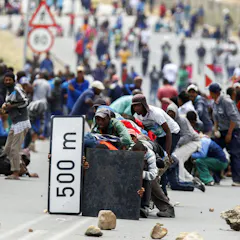
Governing parties and officials need to take note of the frustration being expressed by ordinary South Africans.
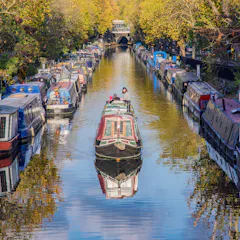
Do canal boats have toilets? Yes, and they’re greener than your average bog.
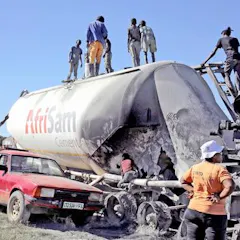
Corruption has become one of the biggest concerns for South Africans living in a province that has erupted in violence.
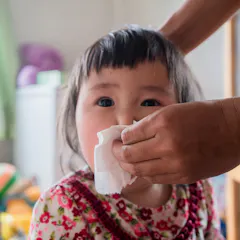
Just because something is advertised as ‘flushable’ doesn’t mean you should put it in your toilet.
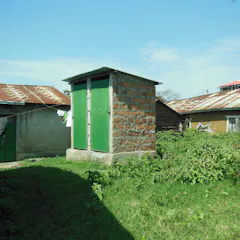
Shared toilets have been shown to be linked to poor health outcomes.

If you want to live like a local when on holiday, you should defecate like one.

Much of the discussion about “Take a Knee” has overlooked the issues of justice and social exclusion, and especially environmental matters. That’s something to think about during the Super Bowl.
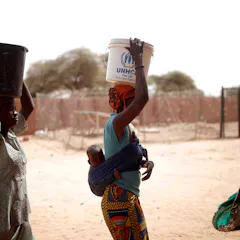
Developing a map of African countries’ water poverty levels offers a transparent analysis for policymakers, governments and organisations that deal with water issues.
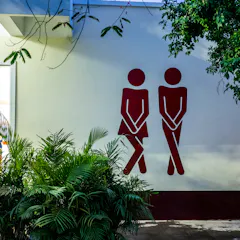
More than half of the global population do not have safe sanitation. What is the best way to go about changing this?
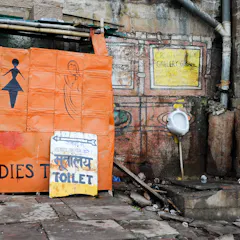
Cultural, social and environmental factors all matter if India wants to succeed in its goal to boost sanitation.
Top contributors
-

Senior Lecturer in Global Health, The University of Western Australia
-
Assistant Professor, Hubert Department of Global Health, Rollins School of Public Health, Emory University
-
Gradute Research Fellow, Obafemi Awolowo University
-
Chief Research Specialist., Human Sciences Research Council
-
Professor of Ecosystems Engineering, Newcastle University
-
Associate Professor, University of Birmingham
-
Director DST-NRF Centre of Excellence in Food Security, University of the Western Cape
-
Visiting Adjunct Professor, School of Governance, University of the Witwatersrand
-
Lecturer and course director in Water Science, Policy and Management, University of Oxford
-
Research Director, Development Capable and Ethical State, Human Sciences Research Council
-
Associate Professor in Public Health, The University of Queensland
-
Senior Lecturer Emeritus, Stellenbosch University
-
Professor and Research Theme Leader of the Flourishing Life Research Theme, University of the Free State
-
Research Fellow, Queen's University Belfast
-
Director DNDi Eastern Africa and Senior Principal Research Scientist, KEMRI, Kenya Medical Research Institute