
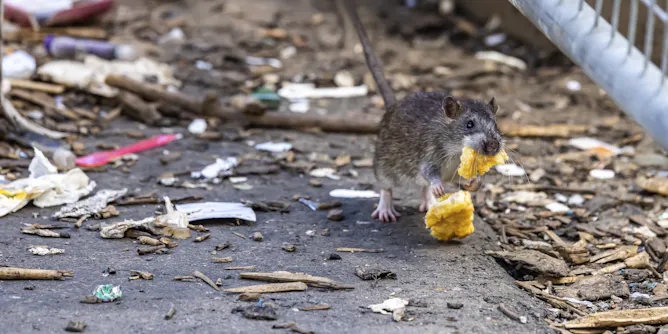
Weak surveillance and climate change could allow deadly hantaviruses to spread unnoticed across African countries, raising the risk of future outbreaks.
Articles on Rodents
Displaying 1 - 20 of 33 articles

Is hantavirus being transmitted from person to person? Here’s what investigators need to consider before making that call.
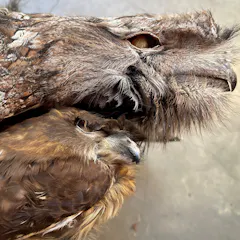
Native predators like owls and goannas are dying from eating poisoned rats and mice. Wildlife experts are shocked the government won’t ban these toxic compounds.
An archaeologist reveals what she learned from sifting through a 200-year-old rat nest recovered from a historic Philadelphia home.
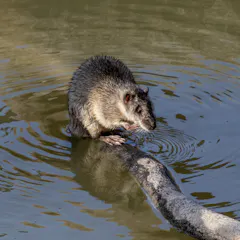
Ever wondered who would win a fight between an Australian and an introduced rat? New research provides the fascinating answer.

Garbage continues to pile up on the streets of Birmingham. An expert in communicable disease explains the risks.

For many dairy farmers, the solution to their rodent problem isn’t poison – it’s working cats. But at present, there are no tax deductions for their care.
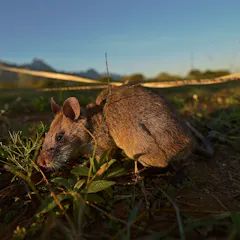
When occurring in nature, mpox is mostly confined to the humid forest regions of west and central Africa.
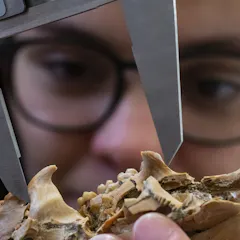
Modern North American porcupines are at least twice the size of their southern cousins and have stronger jaws. But how long have they looked that way?
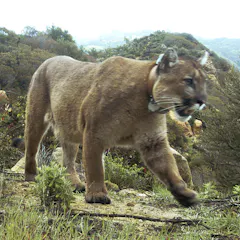
Modern rodenticides can kill rats with a single dose and readily pass up the food chain to larger carnivores. They are widely used and largely unregulated.
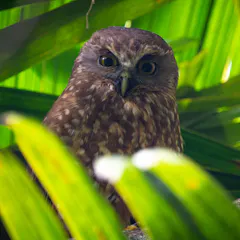
The sad case of the Norfolk Island morepork shows we need a way to control or eradicate invasive rodents without killing native species.
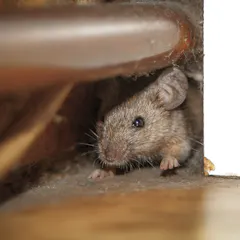
An evolutionary biologist is studying what these resilient urban pests can teach us about adaptation and evolution.
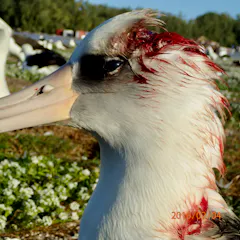
On a small, remote island in the Pacific Ocean, an unlikely predator feasts on the world’s largest albatross colony. Researchers are trying to figure out how to stop these murderous mice.
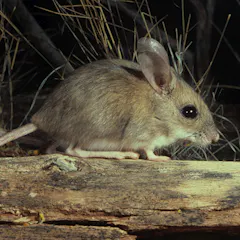
Native rats and mice don’t usually evoke sympathy among the Australian public. The common names for the species – such as swamp rat – do little to help.
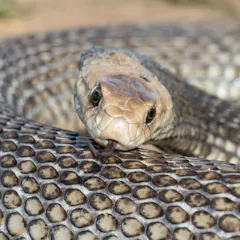
The benefits of snake populations on agricultural land far outweigh the potential costs, and farmers should tolerate rather than kill them.
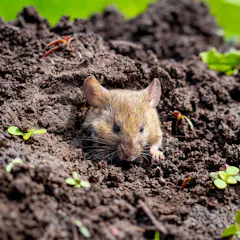
Rodents destroy around 70 million tonnes of grain each year. What if we could trick them into looking elsewhere for their food?
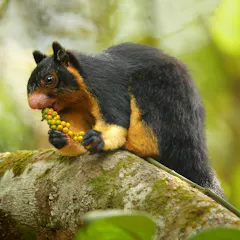
Rodents are the most numerous – and least studied – of all Earth’s mammals.
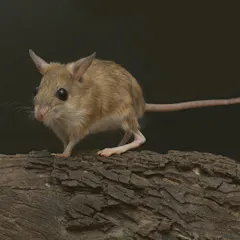
Australia has more than 60 species of native rodents found nowhere else in the world. New research used museum specimens to find out how they got here.
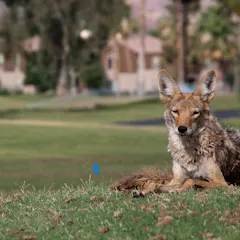
Urban coyotes prey on rodents and spread plant seeds. It’s OK to observe them from a distance, but then you should chase them off.
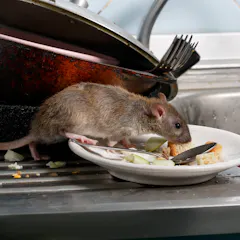
With temperatures plunging, rodents have started seeking the warmth and food inside our houses. Here’s how to deal with them effectively and humanely – without accidentally catching native animals.
Top contributors
-

Professor of Conservation Biology, School of Life and Environmental Sciences, University of Sydney
-
Professor of Ecology, Natural Resources Institute, University of Greenwich
-
Visiting Research Scholar, Fordham University
-
Senior Research Officer in Conservation Biology, University of Sydney
-
Associate lecturer, University of Venda
-
Lecturer College of Science & Engineering, Centre for Tropical Environmental and Sustainability Studies, James Cook University
-
Associate Professor in Wildlife Conservation, Edith Cowan University
-
Principal Pathologist, Centre for Emerging, Zoonotic and Parasitic Diseases, National Institute for Communicable Diseases and Wits Research Institute for Malaria, University of the Witwatersrand
-
Fellow, Keele University
-
Associate Professor of Wildlife Health and Pathology, Charles Sturt University
-
Postdoctoral Fellow in Comparative Physiology, McCall MacBain Teaching and Leadership Fellow, McMaster University
-
PhD candidate, University of Sydney
-
Ph.D. Candidate in Anthropology, Columbia University
-
Lecturer in Psychology, Newcastle University
-
Associate Professor, School of Biological Sciences, Monash University