
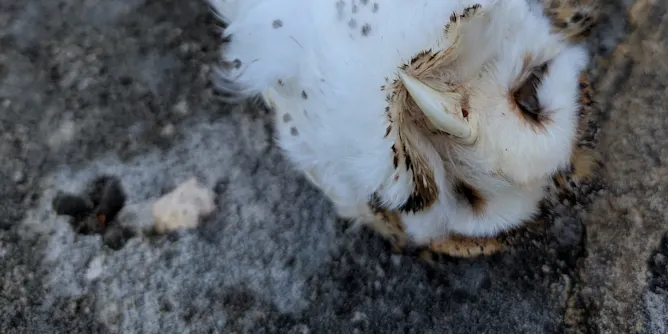
Rat and mouse baits are an everyday product. But these chemicals can persist in the tissues of rodents that eat them for months and poison native animals.
Articles on Rodenticide
Displaying all articles
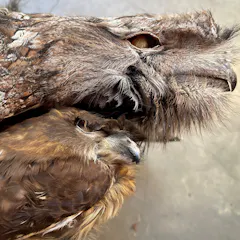
Native predators like owls and goannas are dying from eating poisoned rats and mice. Wildlife experts are shocked the government won’t ban these toxic compounds.

Federal regulations govern which pesticides can be used and give specific directions for applying them. Ignoring those directions is a violation of federal law.
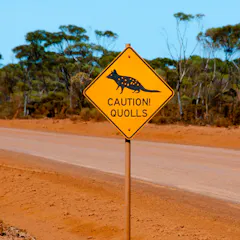
Second generation rat poisons are so potent that they’re banned for home use in Europe and North America. But here, you can pick them up at Bunnings or Coles.
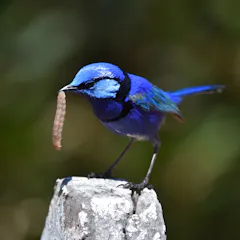
New research highlights the need for a broader approach to attracting fairy-wrens and other beloved birds to our gardens.
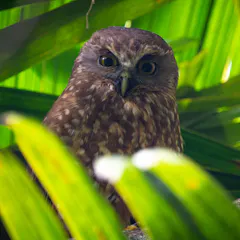
The sad case of the Norfolk Island morepork shows we need a way to control or eradicate invasive rodents without killing native species.
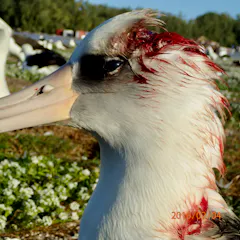
On a small, remote island in the Pacific Ocean, an unlikely predator feasts on the world’s largest albatross colony. Researchers are trying to figure out how to stop these murderous mice.
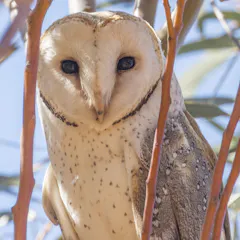
There’s shocking new evidence of rodenticide poisoning in Australia’s nocturnal predatory birds. High concentrations of the active ingredients were found in 92% of the 60 dead birds they tested.
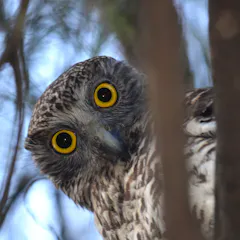
Owls are masterpieces of adaption, having honed their expertise as night predators over millions of years. Two new books delve into the world of these birds and the battle to protect certain species.
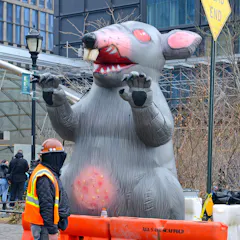
Cities often embark upon drastic and expensive eradication campaigns designed to rapidly rid the city of pests like rats. But are the surviving rats stronger or weaker than before?
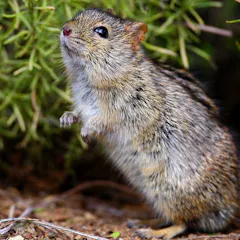
Agricultural pests are one of the key factors affecting small holder farmer production. Focus is normally put on invertebrate pests, but rodents can do severe damage to crops as well.
Top contributors
-

Professor in wildlife and conservation biology, Deakin University
-
Associate Professor in Wildlife and Conservation Biology, Deakin University
-
Associate Professor in Wildlife Conservation, Edith Cowan University
-
Associate Professor of Biology, University of Richmond
-
Associate Professor, School of Biological Sciences, Monash University
-
Research Officer, Monash University
-
Professor of Ecology, Natural Resources Institute, University of Greenwich
-
Lecturer in Environmental Management, Murdoch University
-
Assoc. Professor of Environmental Science, Murdoch University
-
Adjunct Assistant Professor in Ecology, University of Canberra
-
Research Fellow in Molecular and Life Sciences, Curtin University
-
Adjunct Fellow in Ecology, Australian National University
-
Professor of Agricultural Science and Plant Protection, Mississippi State University
-
Ph.D. Candidate in Ecology and Evolutionary Biology, University of Tennessee
-
Associate lecturer, University of Venda