
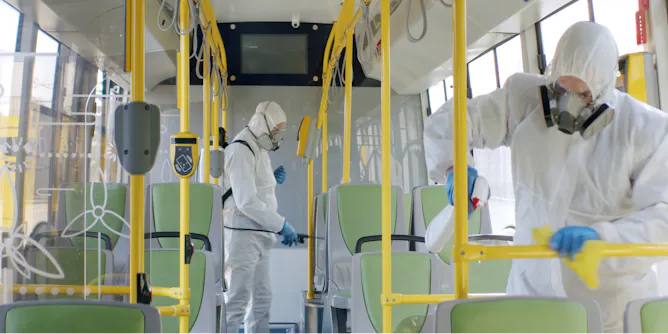
Some new habits we’ve seen emerging during the pandemic could help us solve tricky problems like traffic congestion, which have challenged our cities for a long time.
Articles on Public transport
Displaying 141 - 160 of 329 articles
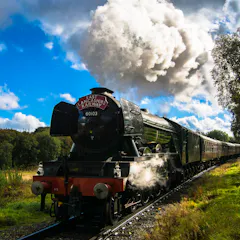
The UK cannot wait 30 years for a modern rail network.

After the ‘world’s biggest work-from-home experiment’, many people (and their employers) might decide they needn’t commute every day. If even a fraction do that, infrastructure needs will change.
The transport sector could look very different after the pandemic.
Many operators have lost almost all their fare revenue. Even those who operate on contract terms that reduce the impact of falling patronage must bear the costs of disinfection and other precautions.
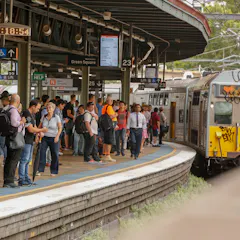
Many people don’t realise high-income earners are the biggest users of public transport in Australian cities, but it’s still low-income earners who are most vulnerable to service disruptions.
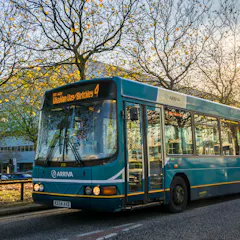
New technologies and service models could revolutionise Britain’s creaking, privatised bus networks.

Australia can learn from what has been done overseas, especially in China, to keep public transport running while containing the spread of coronavirus.
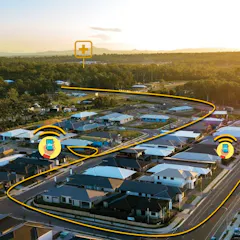
On-demand public transport has now provided over 1 million rides in 36 trials in various Australian cities. Is the problem of poor suburban public transport on the way to being solved?
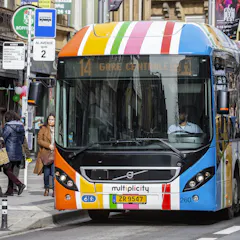
Fare free public transport exists in at least 98 cities and towns around the world.
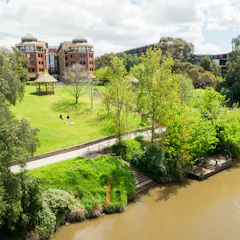
Only the inner suburbs of Melbourne and other capital cities meet the 20-minute neighbourhood test. But we could transform the other suburbs for much less than the cost of current transport projects.
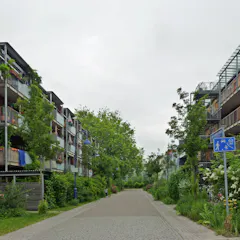
The neighbourhoods of Paris, Barcelona and Amsterdam with densities 3-5 times those of Melbourne and Sydney offer an insight into how we could transform our cities for the better.
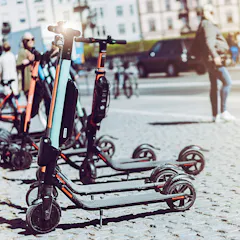
A national consultation may (legally) bring e-scooters to UK cities.
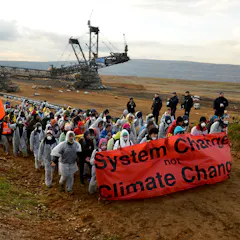
To get ‘system change not climate change’, we need to start making specific demands. Here’s where to start.
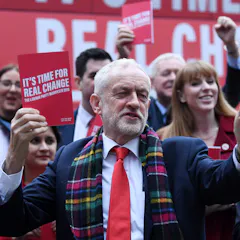
Biodiversity, public transport and home insulation loom large in Labour’s flagship programme for green governance.
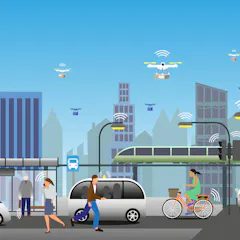
A whole range of social and technological changes could revolutionise how we travel in the coming decades.
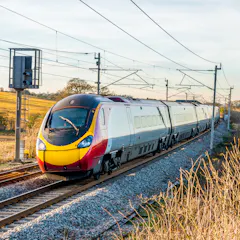
The future of zero-carbon transport starts today. First stop, Britain’s railways.
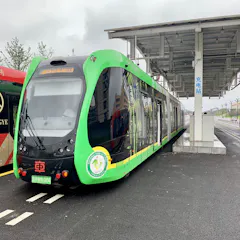
Installing light rail is costly, as Sydney has found, but it’s the gold standard for public transport along road corridors. What trackless trams can do is rapidly expand such services at low cost.

We just need shops, cafes and other services within easy reach to get us walking extra minutes in our busy days.
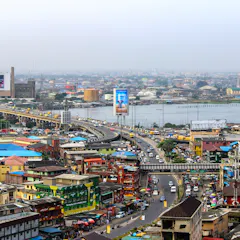
The foundations of orderliness for any city are planning and management. Lagos had this in place in the early days.
Top contributors
-

Professor of Sustainability, Curtin University
-
Senior Lecturer in Urban Planning, University of Auckland, Waipapa Taumata Rau
-
Associate Professor in Urban Planning, The University of Queensland
-
Honorary Professor of Planning, The University of Queensland
-
Associate Professor in Urban and Regional Planning, University of Sydney
-
Transport and Cities Program Director, Grattan Institute
-
Associate Professor of Urban Planning, The University of Melbourne
-
Professor of Transport Technology and Sustainability, Swinburne University of Technology
-
Researcher in Transport Policy and Governance, UCL
-
Professor of Human Geography, The University of Queensland
-
Professor of Operations Management, Manchester Metropolitan University
-
Adjunct Professor, Institute of Transport and Logistics Studies, University of Sydney Business School, University of Sydney
-
Senior Lecturer, Nottingham Business School
-
Honorary Senior Fellow in Transport Planning, The University of Melbourne
-
Professor of Urban Policy and Director, Urban Futures Enabling Impact Platform, RMIT University