
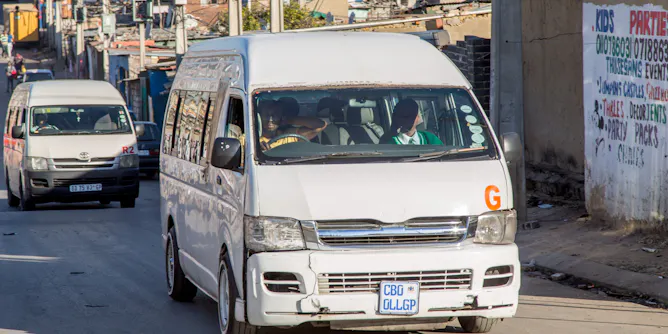
Metropolitan municipalities are best placed to administer operating subsidies for minibus taxis.
Articles on Public transport
Displaying 121 - 140 of 329 articles
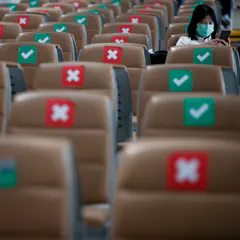
Hard evidence on how much coronavirus transmission occurs on transport is hard to come by. But there are ways to reduce your risk.
Coronavirus has changed population projections and behaviours across society. With fewer commuters we need to shift transport planning based on a hub-and-spoke network to focus on more local travel.
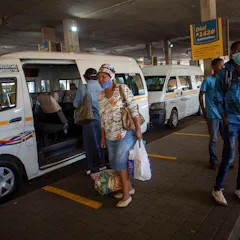
The role of government should be to improve and reorganise this sector to address the needs of users. The proposed national operational subsidy is an opportunity to do precisely that.

It is vital that the latest move by government towards restructuring succeeds in making the industry safe, reliable and viable, contributing to the country’s economy.
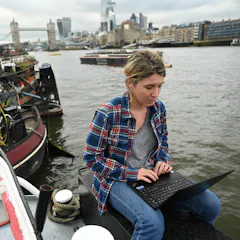
One in five now work exclusively from home in the UK. But remote workers still drive about as often as commuters – though for different reasons.
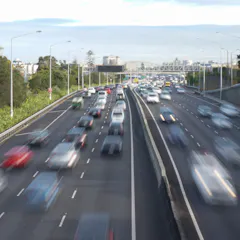
Motorways were once seen as a way of reducing congestion in our towns and cities. But the more we build, the more they fill with drivers.
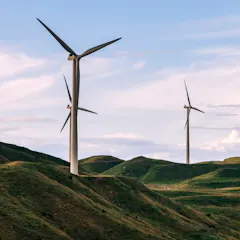
New Zealand voters are divided on climate policy along party lines, with the majority on one side of the political spectrum calling for urgent action while at the other end most recommend caution.
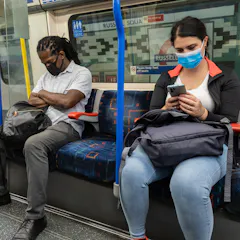
Instead of repeated bailouts, permanent reform of public transport funding is needed.
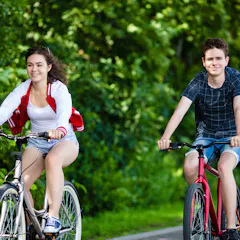
Living near green spaces, or growing up in a deprived neighbourhood, were both linked to higher fitness levels among teens.

People with disabilities are exempt from wearing face coverings on public transport and in shops, but this exemption has not been well communicated to the public.
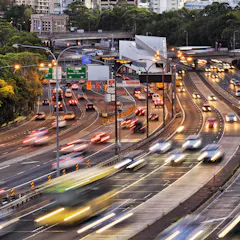
Car use and cycling have soared to above pre-pandemic levels in our biggest cities (Melbourne is an obvious exception). Walking is not far behind, but public transport is being shunned.
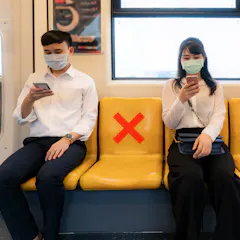
Without plastic shielding between seats or more efficient engines, the environmental benefits of public transport are lost.

The taxi industry carries 75% of commuters daily, yet, unlike bus and train operators, does not benefit from government subsidies.
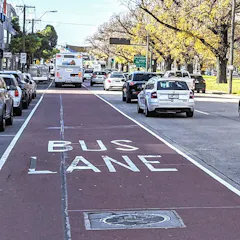
As COVID-19 restrictions are eased, cities face crippling congestion if people shun crowded public transport. More frequent and faster services, using innovations like pop-up bus lanes, can avoid this.

How do we overcome this new physical embodiment of fear – the fact that any one of us, including ourselves, could be a threat – and negotiate life after coronavirus?
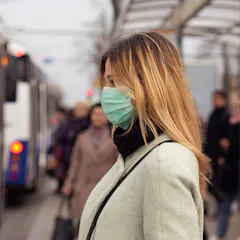
Masks protect you from infection and protect others from getting sick. But authorities are leaving it up to individuals to decide if they want to wear masks on the bus or train. Here’s how to decide.
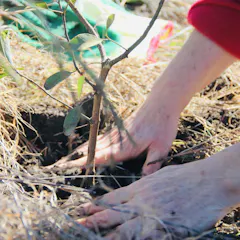
Governments are throwing billions of taxpayer dollars on stimulus measures after COVID-19. But they must do it diligently, and transparently.
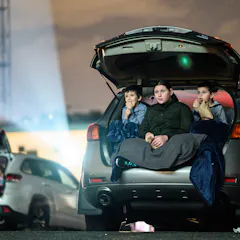
The pandemic has forced many people to shift from public transport to car travel. But is this likely to be permanent?
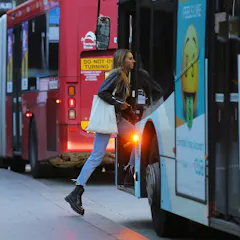
Social distancing isn’t really compatible with public transport – especially during peak times. So how can we stay safe if we’re starting to take public transport again?
Top contributors
-

Professor of Sustainability, Curtin University
-
Senior Lecturer in Urban Planning, University of Auckland, Waipapa Taumata Rau
-
Associate Professor in Urban Planning, The University of Queensland
-
Honorary Professor of Planning, The University of Queensland
-
Associate Professor in Urban and Regional Planning, University of Sydney
-
Transport and Cities Program Director, Grattan Institute
-
Associate Professor of Urban Planning, The University of Melbourne
-
Professor of Transport Technology and Sustainability, Swinburne University of Technology
-
Researcher in Transport Policy and Governance, UCL
-
Professor of Human Geography, The University of Queensland
-
Professor of Operations Management, Manchester Metropolitan University
-
Adjunct Professor, Institute of Transport and Logistics Studies, University of Sydney Business School, University of Sydney
-
Senior Lecturer, Nottingham Business School
-
Honorary Senior Fellow in Transport Planning, The University of Melbourne
-
Professor of Urban Policy and Director, Urban Futures Enabling Impact Platform, RMIT University