
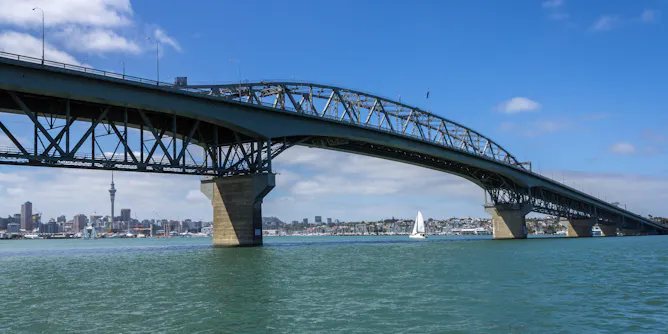
The original plans for Auckland’s harbour bridge included tolled cycle lanes. A version of that is a better plan than the second crossing options now on offer.
Articles on Public transport
Displaying 61 - 80 of 329 articles

Ensuring public transport vehicles comply with the laws on disability access is just the tip of the iceberg. Access issues across the transport system point to the need for on-demand services.
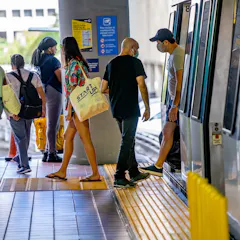
Around the world, very few public transport agencies make money, while ride-sharing companies are making huge losses. So why partner up, and how do those partnerships work?
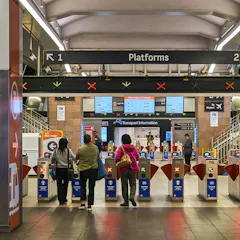
Given the numbers of people who travel between Sydney and Melbourne, it’s time for greater integration of public transport payment systems.
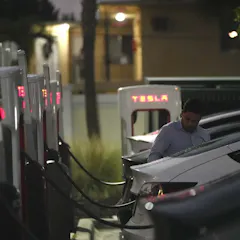
Canada’s zero-emissions vehicle sales target will need hundreds of thousands of EV charging points to be installed in homes, workplaces, retail spaces and along highway corridors in the coming years.

In a housing crisis, publicly owned land should never be sold to private developers and should instead be used to build the kind of housing the market is unwilling and unable to build.

A systematic review of thousands of studies around the world has found many aspects of our cities affect loneliness. But people’s relationship with their environment is complex and highly individual.
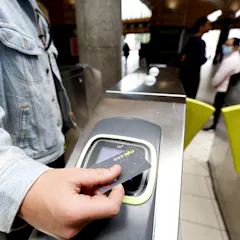
The Victorian government has announced it is replacing the state’s public transport ticketing system. So what essential features should a state-of-the-art system offer users?
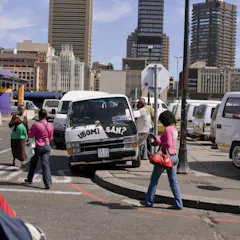
Services such as chemotherapy are only available in tertiary hospitals located in the country’s urban centres. Transport to these hospitals can be a barrier to care.

Hydrogen cars were heralded as an avenue towards universal green motoring, but progress has stalled in recent years.

Labor and the Coalition are promising $19 billion between them for transport projects – way down on the $163 billion promised in 2018 – but they’re as scornful of proper assessment processes as ever.
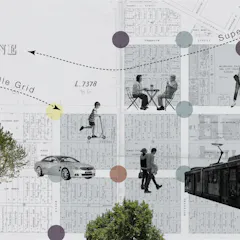
The Hoddle Grid that dictates the flow of vehicles and people in central Melbourne has had its day. It can be remade to reduce the dominance of cars and create a liveable city for the 21st century.
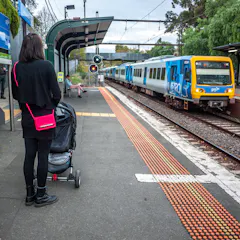
The layouts of our cities and their transport systems were not planned with women in mind. Inflexible services and inconveniently located schools, childcare and workplaces pose daily challenges.
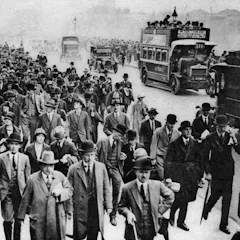
Transport route closures are usually justified to the public on grounds of profitability. But that ignores the immense value of public transport to the labour market.

Scooter share schemes actually become more popular in hot weather, as people turn to them to avoid breaking a sweat

A comparison of 42 urban areas in New Zealand with 500 towns and cities in the US shows how much better local urban design has to be if we’re serious about reducing reliance on cars.
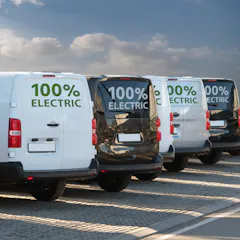
On-demand public transit can rival car ownership in convenience, while cutting emissions and cost, and simultaneously encouraging a mode shift towards public transport.
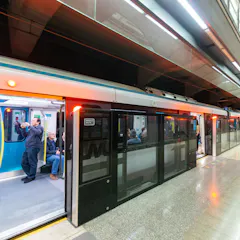
The benefits of cannibalising Sydney’s rail network to introduce new driverless services is far from clear.
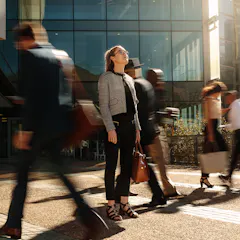
My research shows how urban design can make it harder for women in some countries to make sustainable choices.

The industry’s prices and profits would be lower if laws were enforced.
Top contributors
-

Professor of Sustainability, Curtin University
-
Senior Lecturer in Urban Planning, University of Auckland, Waipapa Taumata Rau
-
Associate Professor in Urban Planning, The University of Queensland
-
Honorary Professor of Planning, The University of Queensland
-
Associate Professor in Urban and Regional Planning, University of Sydney
-
Transport and Cities Program Director, Grattan Institute
-
Associate Professor of Urban Planning, The University of Melbourne
-
Professor of Transport Technology and Sustainability, Swinburne University of Technology
-
Researcher in Transport Policy and Governance, UCL
-
Professor of Human Geography, The University of Queensland
-
Professor of Operations Management, Manchester Metropolitan University
-
Adjunct Professor, Institute of Transport and Logistics Studies, University of Sydney Business School, University of Sydney
-
Senior Lecturer, Nottingham Business School
-
Honorary Senior Fellow in Transport Planning, The University of Melbourne
-
Professor of Urban Policy and Director, Urban Futures Enabling Impact Platform, RMIT University