

Our research shows the best changes individuals can make to cut carbon emissions and reduce the effects of climate change.
Articles on Public transport
Displaying 81 - 100 of 329 articles

Police checkpoints liberally dot Kenya’s highways, but they’re not just about keeping road users safe.
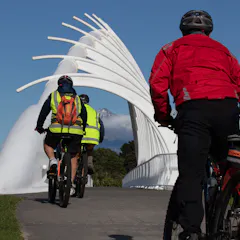
Transport planners estimate money spent on high-quality cycling infrastructure yields benefits between ten and 25 times the costs.

The budget will reveal some extra spending, but the Emissions Reduction Plan still treats climate change as merely a scientific, technical problem – when it has been a political problem all along.
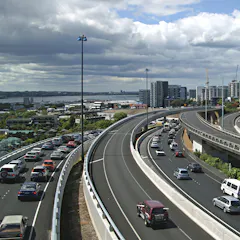
Tackling climate change is a budget priority, but will we see the major investment in cycling infrastructure and public transport that is one obvious solution?
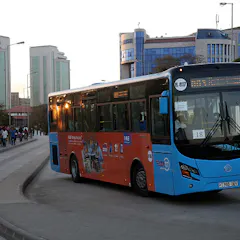
Local realities shape the transport system, making it less directly applicable as a model elsewhere.
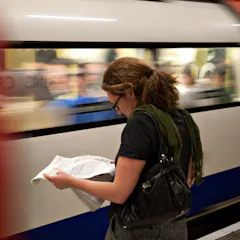
Research shows apps designed to make journeys more environmentally friendly aren’t considering women’s transport needs.

A new study finds congestion charging and creating car-free streets and separated bike lanes have been most effective at reducing car use in European cities.

Free public transport risks worsening social inequalities, helping wealthier households who live in areas with good services while those in outer suburbs must still use cars.
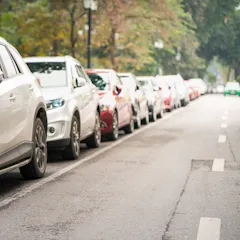
On-street parking is an increasingly scarce resource as we take to our cars post-lockdowns. Here’s how to make the most of it.

Is it affordable? Is it safe? Here are some key things to consider if you’re considering buying one of these vehicles or using them in a share scheme.
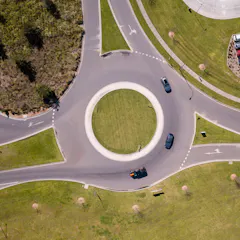
There’s more spending on small local projects, so does it follow that it’s ‘pork-barrelling’? A new report shows what really matters is if the money is allocated under objective, transparent criteria.
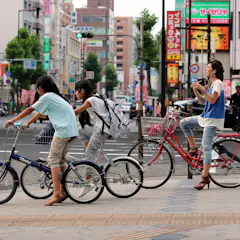
Women in cities tend to get more walking done, which is beneficial to both their health and the climate. Making streets safer for cycling would give them greater access to cities too.

There are many reasons to be pessimistic about the future – but what if we got it right? Here’s the case for optimism.

Most people continue using their car because it’s convenient, but few consider the full cost of depreciation and maintenance. Carbon dioxide emissions rarely factor in people’s choice of transport.
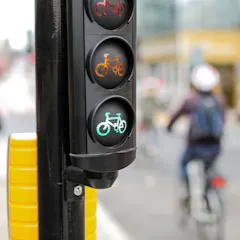
London was rated 2021’s most congested city.

Apps are telling us how to get around our cities faster. But if each person acts only in their own interest, society at large gets stuck in traffic.
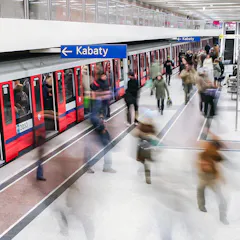
From buses in Bogotá to cycling through Cambridge, we can learn valuable lessons from how countries across the world deliver sustainable transport.

When it comes to ring roads, Birmingham has a poor track record. Can the city’s new transport plan buck that trend and benefit both its inhabitants and the environment?

New research suggests gamifying neighbourhoods could encourage people to travel more actively.
Top contributors
-

Professor of Sustainability, Curtin University
-
Senior Lecturer in Urban Planning, University of Auckland, Waipapa Taumata Rau
-
Associate Professor in Urban Planning, The University of Queensland
-
Honorary Professor of Planning, The University of Queensland
-
Associate Professor in Urban and Regional Planning, University of Sydney
-
Transport and Cities Program Director, Grattan Institute
-
Associate Professor of Urban Planning, The University of Melbourne
-
Professor of Transport Technology and Sustainability, Swinburne University of Technology
-
Researcher in Transport Policy and Governance, UCL
-
Professor of Human Geography, The University of Queensland
-
Professor of Operations Management, Manchester Metropolitan University
-
Adjunct Professor, Institute of Transport and Logistics Studies, University of Sydney Business School, University of Sydney
-
Senior Lecturer, Nottingham Business School
-
Honorary Senior Fellow in Transport Planning, The University of Melbourne
-
Professor of Urban Policy and Director, Urban Futures Enabling Impact Platform, RMIT University