

Researchers are developing an AI-powered device to detect asthma and COPD symptoms in real-time for faster treatment. The ‘patch’ listens to airway sounds, but filters out speech to protect privacy.
Articles on Privacy
Displaying 161 - 180 of 624 articles

Both Macron and Madonna have expressed concerns about genetic privacy. As DNA collection and sequencing becomes increasingly commonplace, what may seem paranoid may instead be prescient.

Even a burner phone paid for with cash can reveal your identity and where you’ve been. A data privacy expert explains.

We are connecting ourselves, our homes and our workplaces to lots of internet-enabled devices: smartwatches, smart lightbulbs, toasters, fridges … How to keep all their data private?

One of a hacker’s most valuable tools is the phishing attack, and you might be unwittingly making the hacker’s job easier by leaving useful information about you online.

Internet-connected appliances tempt people with science fictionlike conveniences, but beneath the sparkling surface lurk potential privacy violations.
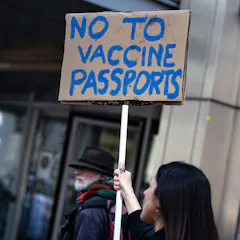
Vaccine passports can and have been used to increase surveillance by governments. Transparency and accountability are crucial for protecting the privacy of civilians.

You have a finely honed sense of privacy in the physical world. But the sights and sounds you encounter online don’t help you detect risks and can even lull you into a false sense of security.
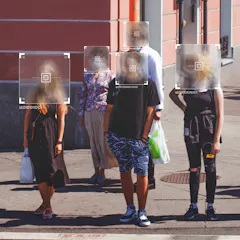
In order to track the pandemic, the Public Health Agency of Canada has been using location data without explicit and informed consent. Transparency is key to building and maintaining trust.
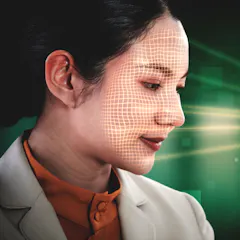
Facial recognition technologies have become more popular through increasingly sophisticated devices and popular fads. Casual use of face scanning and analysis features has long-term social impacts.

Police forces around the world, including in Australia, are using facial recognition apps to identify persons of interest on the spot. The public, while wary, are generally supportive.

The move signals a shift towards greater protection of individual privacy. But implementation and enforcement may be difficult.
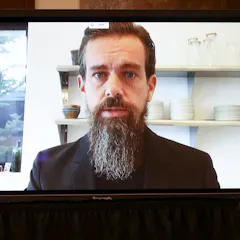
The social media giant’s co-founder has been distinguishing himself from people like Mark Zuckerberg who seem set to stay in traditional companies.
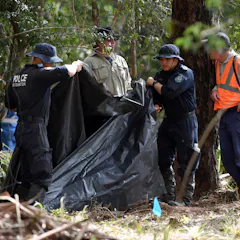
Non-stop media coverage can invade their privacy, raise and dash their hopes, and prolong their trauma.

Facebook’s rebranding as Meta is an attempt to reposition the company as poised to move into virtual reality networks.

Corporate rebranding is fundamental to the spread of metacapitalism which uses increasingly sophisticated technology to shape, exploit and profit from human interaction.

The internet has created new threats to national security and population welfare. The Canadian government needs an oversight department to address cybersecurity and educate their citizens.

Mass data collection and surveillance have become ubiquitous. For marginalized communities, the stakes of having their privacy violated are high.
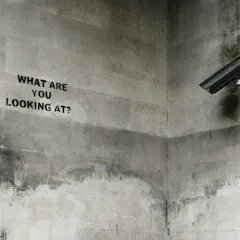
Once analysts gain access to our private data, they can use that information to influence and alter our behaviour and choices. If you’re marginalized in some way, the consequences are worse.
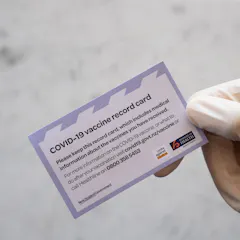
A recent survey reveals only limited employee support for workplace vaccine mandates, underlining how challenging the policy will be for lawmakers and employers.
Top contributors
-

Associate Professor, School of Law, University of Canberra
-
Associate Professor, Faculty of Law & Justice; Lead, UNSW Public Interest Law & Tech Initiative, UNSW
-
Professorial Fellow, University of Canberra
-
Emeritus Professor in Law and Criminal Justice, Adelaide University
-
Professor of Cyber Security Practice, Edith Cowan University
-
Professor specialising in Internet law, Bond University
-
Dean of Global Business, The Fletcher School, Tufts University
-
Director of UWA Centre for Software Practice, The University of Western Australia
-
Associate Professor in Telecommunications Engineering, Swinburne University of Technology
-
Research Director of the Security and Surveillance Research group; Professor, The University of Queensland
-
Professor (adjunct) and Senior Fellow, Institute for Health Policy, Management and Evaluation, Dalla Lana School of Public Health, University of Toronto
-
Research engineer, Advanced Surveillance Project, CSIRO
-
Senior Lecturer, The University of Melbourne
-
Senior Researcher and Project Manager, Advanced Surveillance Project, CSIRO
-
Former data protection and surveillance stream lead, Allens Hub for Technology, Law and Innovation, UNSW Law Faculty, UNSW