
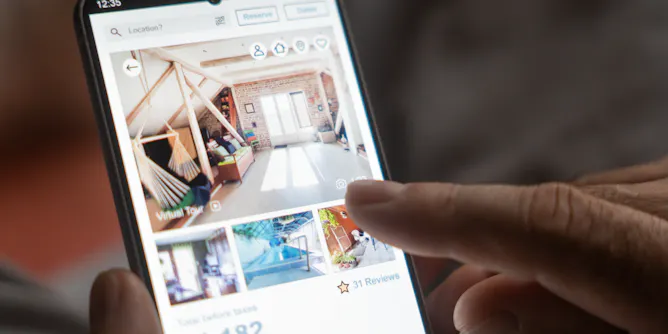
Rent tech is an unavoidable part of modern renting – and renters have little control over what data they have to give up and what happens to it afterwards.
Articles on Privacy law
Displaying 1 - 20 of 112 articles

New rules on what companies can do with personal information include tighter consent requirements, a ‘right to be forgotten’, and a simple test for what’s OK.

Cheap camera glasses make covert filming easier than ever. But NZ law may leave gaps when the resulting footage is sexualised or shared online.

Who gets to authorise such deployments? And who checks the safeguards?

It isn’t obvious anymore whether someone is wearing a high-tech computer on their face.

When consumers provide consent for recording their facial data, they must fully know what they’re consenting to.

Western Australia’s police are now scanning faces in real time. The technology works – roughly. The laws to govern it do not yet exist.

A new code for children’s online privacy is currently open for consultation. Here’s what it contains.

Legally and ethically, journalists shouldn’t breach the privacy of people under investigation.

Businesses using facial recognition cameras need customer consent – but a new ruling could open a loophole in the law.

In the UK, filming someone in public – even covertly – is not automatically unlawful.

The Privacy Commissioner found Kmart should have tried other options before facial recognition systems – and told customers what it was doing.

In Ontario and elsewhere, we still need reforms that give decision-makers the power to bring robust democratic oversight to EdTech in schools.

If your car connects to the internet, what personal data could it be sharing – and even selling? A new report on Australia’s 15 most popular car brands reveals these privacy concerns.

Despite the ruling against Bunnings, Australian businesses can continue to collect your biometric information without your explicit consent by simply putting up signs.
Neither prospective school board social media lawsuit wins, nor proposed Ontario or federal privacy or AI legislation, would prevent problems related to rampant processing of human-derived data.

After receiving dozens of unwanted calls from telemarketers, I started to investigate.

There are three key steps people can take to protect their data from big tech.
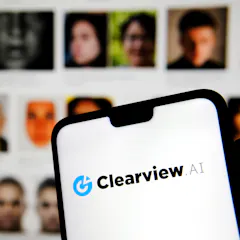
The decision underscores the importance of strengthening privacy laws and enforcement powers of regulators.

As the federal government prepares to reform Australia’s privacy laws, it needs to better protect brain data.
Top contributors
-

Associate Professor, School of Law, University of Canberra
-
Associate Professor, Faculty of Law & Justice; Lead, UNSW Public Interest Law & Tech Initiative, UNSW
-
Associate Professor, Melbourne Law School, The University of Melbourne
-
Professor specialising in Internet law, Bond University
-
Sessional Academic, Faculty of Law, Monash University
-
PhD Law Candidate, University of New England
-
Fellow of the Faculty of Engineering and Information Technology, University of Technology Sydney
-
Associate Professor in Law, Monash University
-
Emeritus Professor in Law and Criminal Justice, Adelaide University
-
Associate Professor of Information; Associate Professor of Electrical Engineering and Computer Science, University of Michigan
-
Professor in Media and Communication, Goldsmiths, University of London
-
Honorary Professor, Macquarie Law School, Macquarie University
-
Professor of law and ethics, Georgia State University
-
Professor of Business Law and Ethics, Indiana University
-
Distinguished Professor and C. Ben Dutton Professor of Law, Indiana University