
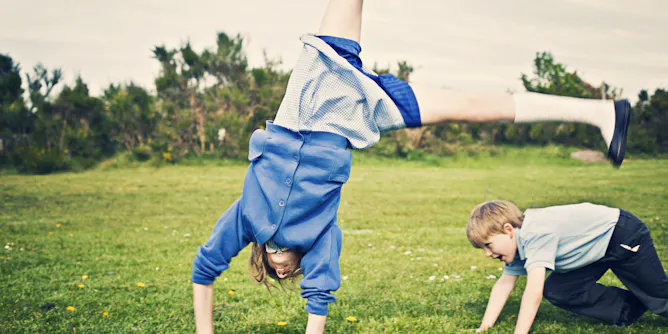
Some schools are reportedly restricting cartwheels and handstands to prevent injuries.
Articles on primary schools
Displaying 1 - 20 of 34 articles
A new study checked in with students weekly, to ask them about their wellbeing, sleep and concentration.
In 2025, nearly half of school leaders reported being subjected to physical violence. Almost 54% experienced threats of violence.

Schools ask parents to contribute to basic supplies such as stationery and first aid supplies. The price tag can be four figures, per child, per year.
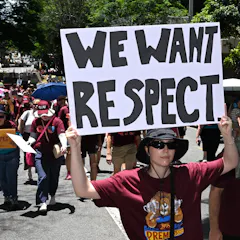
Teachers are calling for a 35% pay rise over four years. The Victorian government has offered 17%.

Principals’ jobs have always been stressful. But research suggests the role is becoming more difficult and increasingly unsustainable.
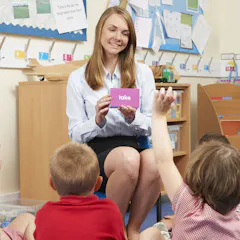
The phonics screening check is so closely correlated with month of birth that it can be argued that it is a test of age rather than decoding.
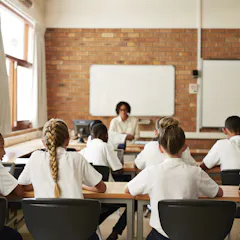
Australian teachers are also reporting high rates of AI use in their work, according to the OECD’s latest Teaching and Learning International Survey.

Books ranging from biographies to the history of suffrage and of ordinary women.
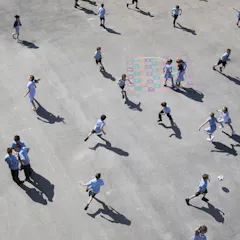
Children spend thousands of hours in school playgrounds. A lot of this time does not have the same levels of teacher preparation and supervision as classrooms.
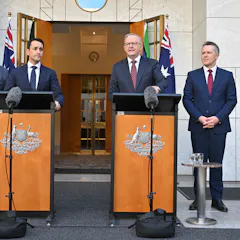
In some good news for Australian students, there is now a firm plan to ‘fully fund’ public schools by 2034.
During the election we can expect to hear about school funding. This is one of the most contentious areas of education policy – and one voters care deeply about.
The most recent study showed more than 60% of Year 10 students don’t make the national standard for knowledge of democracy and law-making.
Research on whether single-sex or co-ed schools are better is inconclusive. But we know a schools’ resources and culture matter for students learning and wellbeing.
A Queensland tribunal has ruled it is not discriminatory for a school to require girls to wear a skirt at formal events.

Victoria has announced new teaching resources to tackle the influence of “manosphere” figures among students. But we still don’t have a clear picture of sexism and harassment in our schools.
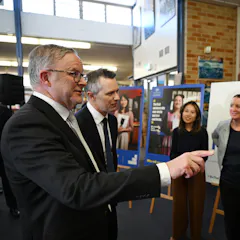
The bill aims to set a new “floor” for how much the federal government contributes towards public school funding in Australia. But key states remain unhappy.
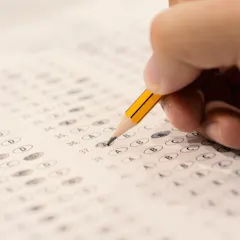
Our two recent studies suggest the way students respond to test questions on computers may not be the same as on paper.

Our research on school students’ sexist behaviour towards teachers shows some school leaders, colleagues and parents are downplaying harassment and abuse.
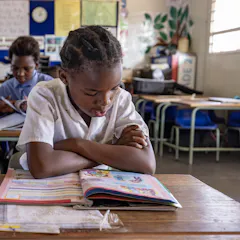
While teachers were employing the right strategies, they were not giving targeted attention to the non-readers in their classes.
Top contributors
-

Lecturer in Education, Swansea University
-
Professor in Public Health Data Science, Swansea University
-
Associate Professor of Education, Charles Sturt University
-
Researcher in Child Health and Well-being, Swansea University
-
Senior Lecturer (Nursing), School of Clinical Sciences, Auckland University of Technology
-
Associate professor, Queensland University of Technology
-
University of Hertfordshire
-
Professor of Learning Intervention, The University of Melbourne
-
Researcher, Human Sciences Research Council
-
School Education Program Director, Grattan Institute
-
Associate Professor in Language in Education, University of Wollongong
-
Senior Lecturer in English, Literacy and Language Education, University of New England
-
Senior Lecturer, School of Education, University of New England
-
Professor in the School of Education, Edith Cowan University
-
Research Officer at Medical School, Swansea University