
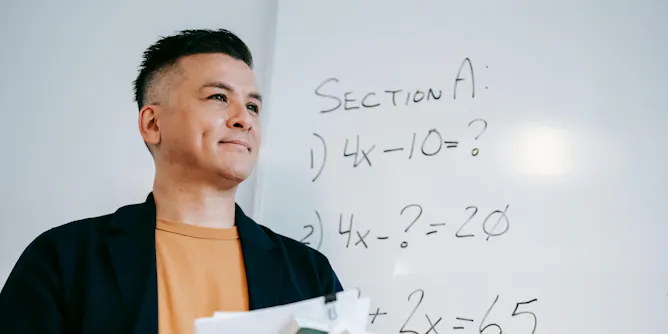
In the middle of a teacher shortage, there are thousands of qualified teachers who are not working in schools.
Articles on Teacher shortage
Displaying 1 - 20 of 53 articles

Internationally educated and experienced teachers are not a problem to be fixed — they are part of the solution to a system under strain.

Rural school leaders are most concerned about recruiting and retaining teachers.
Australian teachers are also reporting high rates of AI use in their work, according to the OECD’s latest Teaching and Learning International Survey.

In a study of 57 Australian teachers, many shared emotionally-charged accounts of being put in impossible situations at work.

Our research on school students’ sexist behaviour towards teachers shows some school leaders, colleagues and parents are downplaying harassment and abuse.

In a new project, we are talking to Aboriginal high school students and teachers to understand how to encourage more Aboriginal people to become teachers in the Northern Territory.

Decisions to fill teacher vacancies with uncertified adults compromises children’s education and reveals a demeaning notion that teachers — in a female-dominated profession — are merely babysitters.
We believe no other intervention has been so thoroughly tested in Australian schools or amassed such a comprehensive body of evidence.

Imagine if you enrolled your child in swimming lessons but instead of a qualified swimming instructor, they were taught freestyle technique by a soccer coach.

A major survey of Australian school principals finds they are copping abuse from parents and students on top of huge workloads. Many experienced leaders say they might leave the profession.

In the academic year 2021-22, 39,930 teachers in England quit.
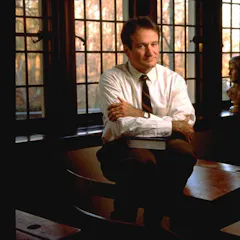
As Australia tries to raise the status of teaching, new research shows how mainstream film and TV portrayals are not helping.
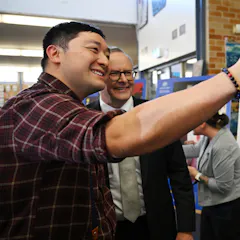
Federal and state governments have launched a $10 million advertising campaign to encourage more people to consider a teaching career.

New research shows how collaboration between teachers is linked to greater job satisfaction.
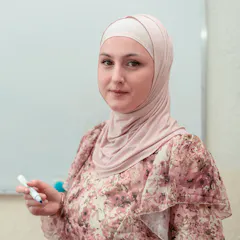
Australia’s teachers are predominantly Australian-born, female, and non-Indigenous. Most hail from middle-class backgrounds with urban upbringings, and are less likely to have disabilities.

The Victorian government has announced a $230 million package to encourage an extra 8,000 ‘future teachers’ into the profession.

Research shows plenty of people think about becoming teachers. We also know mid-career teachers’ expectations don’t match reality once they make it to the classroom.

An annual survey of Australian school leaders has discovered a worrying shift in threats to their health and wellbeing.

Research shows one way teachers could take more control over their wellbeing at work is by ‘job crafting’. This involves making changes to your job to make it more meaningful.
Top contributors
-

Associate Professor in Educational Leadership, Australian Catholic University
-
Laureate Professor of Education, Director Teachers and Teaching Research Centre, University of Newcastle
-
Professor, Griffith Institute for Educational Research and School of Education and Professional Studies, Griffith University, Griffith University
-
Distinguished Professor of Educational Psychology, Australian Catholic University
-
Professor of Education, The University of Melbourne
-
Associate Professor, Digital Transformation, Monash University
-
Professor of Belonging Science, School of Educational Psychology and Inclusion, Faculty of Education, Monash University
-
Professor, Institute for Positive Psychology and Education, Australian Catholic University
-
Senior Lecturer - Co-leader Education Workforce for the Future Impact Lab, Monash University
-
Masters student, Education, Thompson Rivers University
-
Senior lecturer in Education, Deakin University
-
Distinguished Doctoral Fellow, University of Arkansas
-
Professor of Social Impact, University of Technology Sydney
-
Professor of Education and 21st Century Endowed Chair in Teacher Quality, University of Arkansas
-
Lecturer in PGCE Secondary English, Department Educational Studies, Goldsmiths, University of London