
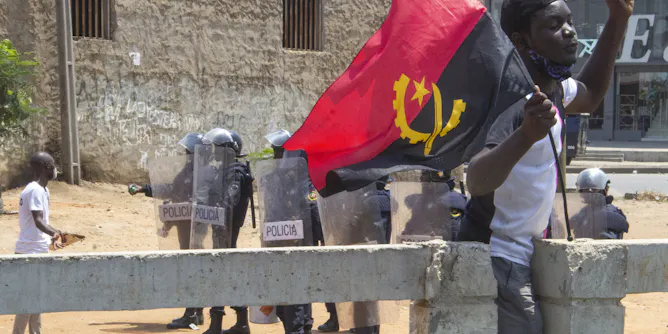
Angola’s 2022 election is the first in which citizens born after the war are old enough to vote.
Articles on Polling
Displaying 61 - 80 of 201 articles
There have been few if any elections when, in the last week, it has been the ‘uncommitted’ voters who have turned things around.
Labor needs substantially more than 50% of the two-party preferred vote – 51.8% according to the pendulum – to win the majority of seats, 76. This equates to a swing of 3.3 percentage points.

While the latest polls show the Coalition struggling to gain ground on Labor in two-party preferred terms, Scott Morrison maintains his lead as preferred prime minister.
Two-party preferred (2PP) has always been considered the best measure of who might win government. But at this election, nothing is certain.
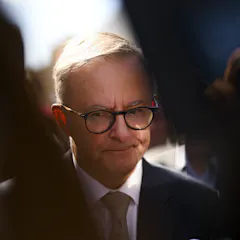
Labor’s two-party preferred vote drops for the second time running, a concerning sign at the start of an election campaign.
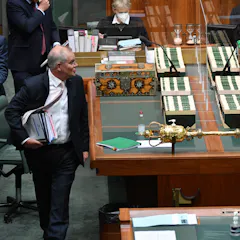
At the 2019 election, the polls got it seriously wrong. State polls and election results suggest this may have been corrected, but it’s by no means certain.

While some oligarchs have broken ranks with the Kremlin, there is no sign yet other elites are so discontented as to take action against Putin.
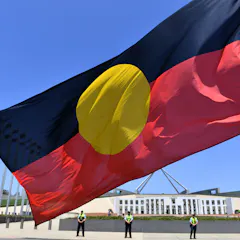
Would Australians vote for an Indigenous Voice in the Constitution, or just approve the parliament simply legislating a Voice?
Australians may support one, both, or neither.
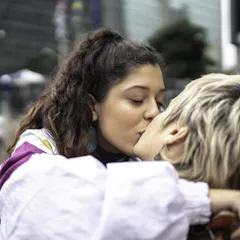
Oral sex is common among young people. Protection from STIs is not.
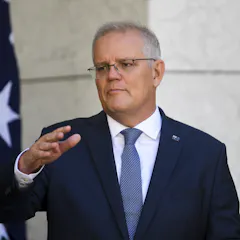
It’s the first time since Resolve began doing its monthly surveys last April that Labor has been ahead of the Coalition on primary votes.
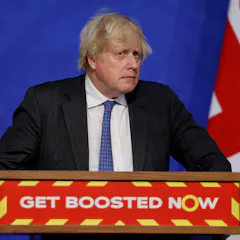
Backbenchers are rattling their sabres and a brutal byelection loss has made it all so much worse.
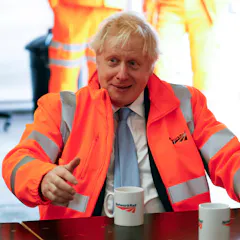
At first glance, the polls suggest the government isn’t feeling the pressure. But there’s another way to look at the situation.
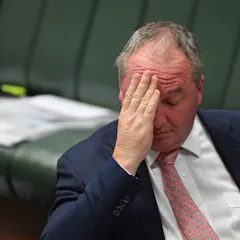
Polling results suggest the ousting of Michael McCormack in favour of Joyce could hurt the Coalition
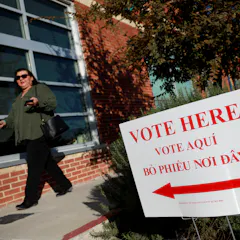
A task force of polling experts found surveys notably understated support for Donald Trump, both nationally and at the state level. Here’s what may have gone wrong, according to a polling historian.
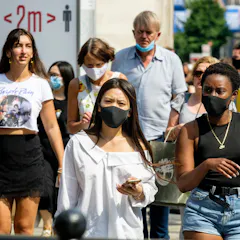
How the public thinks and feels about restrictions is far more complicated and conflicted than is typically reported.

14% of the UK population often make up a much smaller proportion of people of people polled.
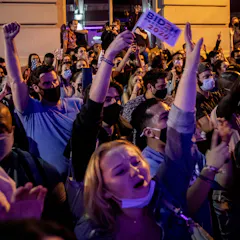
Stung by their failure to accurately predict the outcome of the 2020 presidential election, pollsters collectively went off to figure out what went wrong. They have yet to figure out what or why.
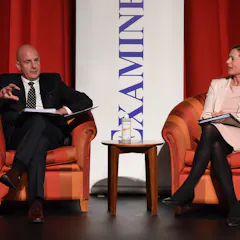
With a state election on Saturday, polls are showing different trends. Meanwhile, vaccine wariness among Australians is growing.
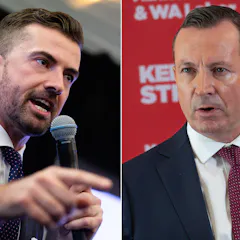
Polling has Labor on a primary vote of 59%, which hasn’t been seen in a state election since New South wales in 1978.
Top contributors
-

Professor, Department of Government, University of Essex
-
Election Analyst (Psephologist) at The Conversation; and Honorary Associate, School of Mathematics and Statistics, The University of Melbourne
-
Professor Emeritus of Communication, American University School of Communication
-
Ashbel Smith Professor, School of Economic, Political and Policy Sciences, University of Texas at Dallas
-
Professor of Economics and Finance. Director of the Betting Research Unit and the Political Forecasting Unit at Nottingham Business School, Nottingham Trent University
-
Professor of Politics, University of Strathclyde and Senior Research Fellow, National Centre for Social Research
-
Honorary Professor, University of Sydney
-
Professor of Electoral Geography, University of Sheffield
-
Emeritus Professor of Politics and International Relations, Macquarie University
-
Professorial Fellow, University of Canberra
-
Emeritus professor, Monash University
-
Director, La Trobe Centre for Global Security, and Professor of International Relations, La Trobe University
-
Professor of Political Communication; Director CAJ, The University of Melbourne
-
Professor of Political Science and Public Policy, University of Southampton
-
Professor of Political Science, University of Richmond