
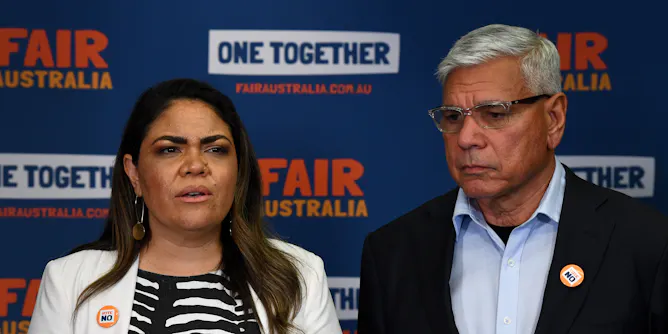
Our election analyst lays out the current projections across the nation.
Articles on Polling
Displaying 41 - 60 of 201 articles
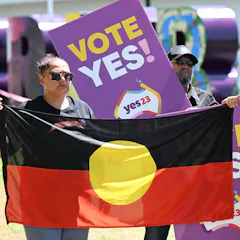
Our research has found the ‘yes’ side has been generating the lion’s share of Voice content in the media and social media over the past six weeks, but is still trailing in the polls.
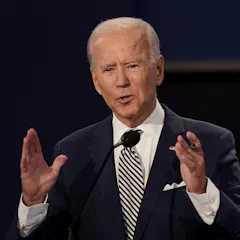
The unusual candidacy of former President Donald Trump has made election polling especially appealing, more than a year from the election. But consumers beware: Those polls may be wrong.
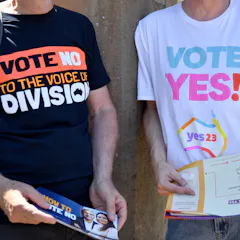
Exclusive polling shows that those who see Australia as a divided nation are far more likely to vote “no” than those who see it as united.
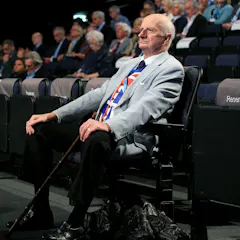
The pressure to ‘have a good conference’ is immense for a party hoping to win an election. But the anxiety isn’t really evidence-based.
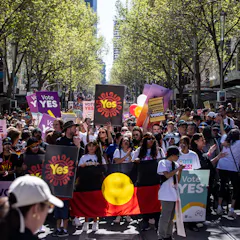
Yes23 is blanketing the nation in hundreds of ads, while Fair Australia is sticking with a singular message and targeting specific states that will ensure a ‘no’ victory.
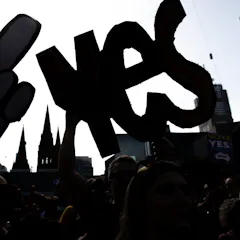
In the national poll, 42% of respondents said they were a hard ‘no’, compared to 28% who said they were a hard ‘yes’.
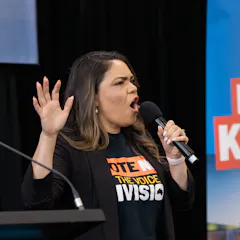
The ‘no’ side is successfully engaging young people on TikTok by combining volume (posting multiple TikToks a day) with authenticity, use of personal narratives and humour.
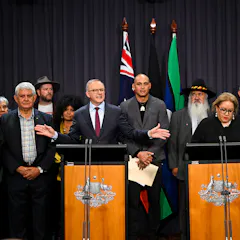
Maintaining impartiality does not require the media to publish nonsense, and certainly does not require them to publish nonsense without drawing attention to the facts or contrary evidence.
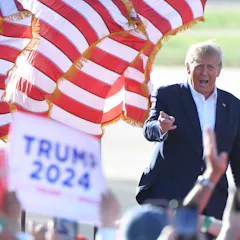
The US constitution would not restrict Donald Trump from running for president, even if he is in the middle of a court case, or was convicted.
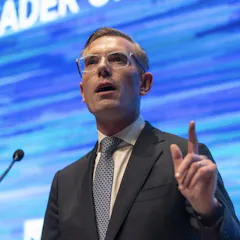
The polls in late February suggest a 4-5% swing in the overall, two-party vote to Labor. However, Labor needs to pick up ten seats in total to win its own majority.
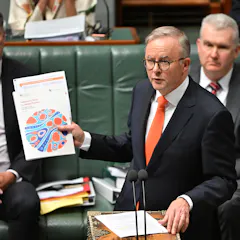
Comparisons of national polls over an eight-month period show support falling only among Coalition voters. This may not be fatal to the referendum’s chances, but it is serious.
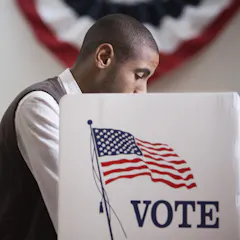
Compared with past midterms, voter turnout among young people jumped in 2022 – but it was still below 30%.
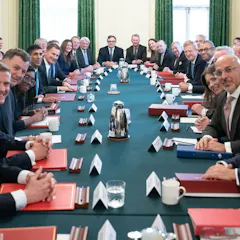
When the rot sets in, past governments have found it hard to win back the public.
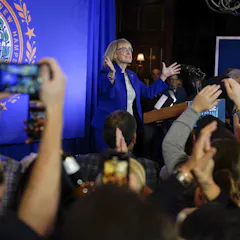
Polling for the 2022 midterms was more accurate than the dramatically wrong predictions of 2016 and 2020, leading one pollster to boast, ‘The death of polling has been greatly exaggerated.’

The U.S. midterms revealed a generational shift away from youth voter apathy. The apathetic, in fact, seem to be those trying to accurately measure public opinion using outdated methods.
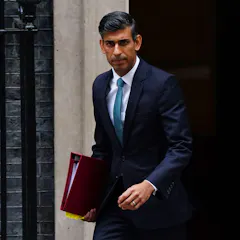
Polling only provides a snapshot of the current moment but modelling across decades can help us predict the next election result.

Will some polls misfire in prominent races in the 2022 midterms? Probably. Will such errors be eye-catching? In some cases, perhaps. Will the news media continue to tout polls? Undoubtedly.
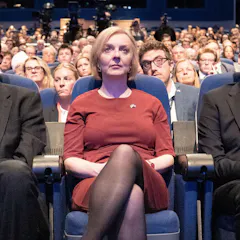
It’s bad for the party of government – and the closer you look, the worse it gets.
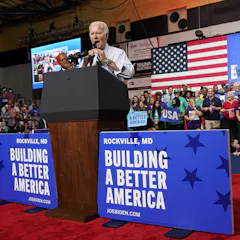
With two months to go until the US mid-terms, President Joe Biden has seen a significant lift in his approval ratings.
Top contributors
-

Professor, Department of Government, University of Essex
-
Election Analyst (Psephologist) at The Conversation; and Honorary Associate, School of Mathematics and Statistics, The University of Melbourne
-
Professor Emeritus of Communication, American University School of Communication
-
Ashbel Smith Professor, School of Economic, Political and Policy Sciences, University of Texas at Dallas
-
Professor of Economics and Finance. Director of the Betting Research Unit and the Political Forecasting Unit at Nottingham Business School, Nottingham Trent University
-
Professor of Politics, University of Strathclyde and Senior Research Fellow, National Centre for Social Research
-
Honorary Professor, University of Sydney
-
Professor of Electoral Geography, University of Sheffield
-
Emeritus Professor of Politics and International Relations, Macquarie University
-
Professorial Fellow, University of Canberra
-
Emeritus professor, Monash University
-
Director, La Trobe Centre for Global Security, and Professor of International Relations, La Trobe University
-
Professor of Political Communication; Director CAJ, The University of Melbourne
-
Professor of Political Science and Public Policy, University of Southampton
-
Professor of Political Science, University of Richmond