

South Africa’s first five-year pollen calendars reveal when allergy seasons hit seven cities, and how sufferers can prepare before symptoms start.
Articles on Pollen
Displaying 1 - 20 of 61 articles

Eastern states have experienced more vegetation growth during late winter and early spring, while WA has had lower plant growth. Here’s what this means for symptoms.

Heliconius butterflies eat high-protein pollen and seem to age well.

Pollen, algae, insects, radiolarians – each unique microfossil holds clues to how Earth has changed over millions of years. Combining AI with digital scanners helps researchers piece it all together.

Two big factors influence the length of the allergy season and how bad people’s allergies will be, and both are expanding.
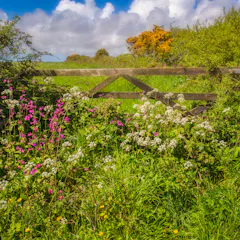
New study finds that plant biodiversity collapsed in landscapes where arable production was abandoned during and after the Black Death era.

Detroiters are hospitalized for asthma four times more often than Michigan residents overall. A proactive approach to care can improve symptom management.
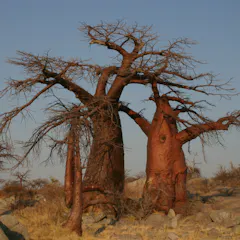
New research shows that baobab tree flowers have adapted to meet the needs of either bats or moths, and without these creatures, the trees will not survive.

Seasonal allergies may seem like a minor, passing inconvenience. But pollen seasons can take a real toll on mental health.
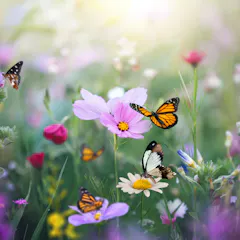
Uniquely colored flowers with big blooms might make for an aesthetically pleasing garden, but they can be unhelpful to pollinators. Careful consideration can help you plan a colorful and eco-friendly garden.

Hay fever season is here and your pet might be suffering too.

Climate change, pollution and an unusually warm and dry spring have all contributed to this year’s long, intense allergy season.
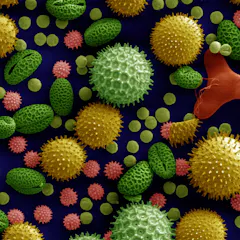
Palynologists who study tiny pollen fossils share 4 stories found in grains that fell hundreds to millions of years ago.
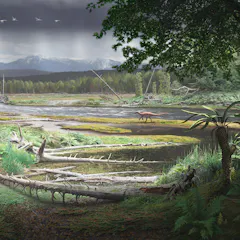
The new study shows what the polar regions might look like in the future as the planet warms.

From sending more pollen airborne to breaking up pollen grains, which lets them penetrate deeper into your lungs, the wind is not the allergy sufferer’s friend.
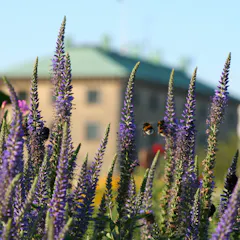
A biologist explains what to focus on if you’re designing a garden with pollinators in mind − and what you don’t need to worry about.

Analysing sediments can help scientists to predict how climate change will influence natural disasters.
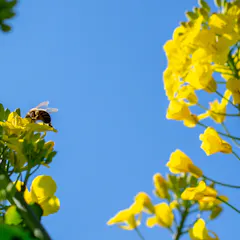
Our research shows this idea is likely to benefit bees more in summer than in spring.
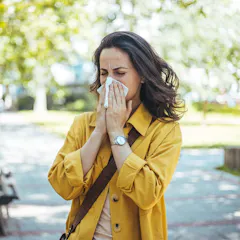
No, you’re not imagining it. Some people really do develop hay fever as an adult. Here are three key reasons why.

Honey has long been used as a natural remedy for many ailments.
Top contributors
-

Respiratory Allergy Stream Co-chair, National Allergy Centre of Excellence; Professor and Head, Allergy Research Group, Queensland University of Technology
-
Associate Pro Vice-Chancellor: Innovation and Knowledge Exchange, University of Nottingham
-
Honorary Associate Professor
-
Professor of Atmospheric Science, University of Michigan
-
Ph.D. Student in Atmospheric Science, University of Michigan
-
Baobab Ecologist, University of the Witwatersrand
-
Respiratory Allergy Stream member, National Allergy Centre of Excellence; Associate Professor, School of Translational Medicine, Monash University
-
Professor in Molecular Ecology, Bangor University
-
Postdoctoral Researcher, Center for Health and the Global Environment, Environmental and Occupational Health Sciences, University of Washington
-
Postdoctoral Research Officer, Bangor University
-
Professor of Floriculture and Ornamental Horticulture, Mississippi State University
-
Associate Professor of Botany, The University of Melbourne
-
Professor of Medicine University of Melbourne and Director of Research, Royal Melbourne Hospital., The University of Melbourne
-
Associate Professor, Associate Chair of Graduate Studies for Environmental Engineering, and Canada Research Chair in Stormwater and Low Impact Development (Tier II), Carleton University
-
Professor of Zoology, University of Pretoria