

People who usually suffer from allergies are most at risk.
Articles on Pollen
Displaying 21 - 40 of 61 articles
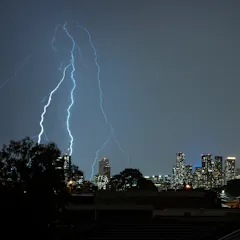
If you’ve got hay fever, or asthma, or both, it’s important to make sure they’re well managed.
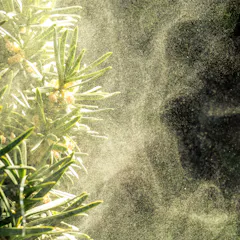
Pollen can become preserved in sediment deposits over thousands, or even millions, of years.

Scientists are learning amazing things about bees’ sensory perception and mental capabilities.
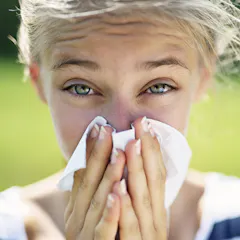
Rising temperatures mean longer, earlier pollen seasons, but a bigger problem is what more carbon dioxide will do to the amount of pollen being released.
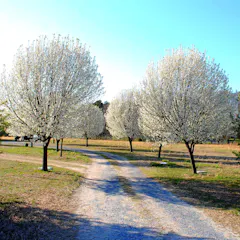
They’re beautiful in bloom, but Callery pear trees crowd out native plants and turn productive open land into woody thickets.

Pollen can trigger thunderstorm asthma, even in those without diagnosed asthma.
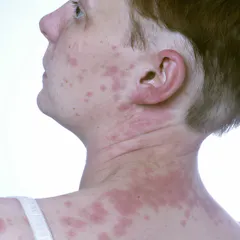
Hives are an allergic reaction and can sometimes be a sign of a more serious immune response.
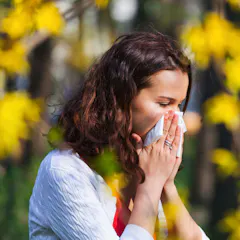
COVID symptoms have become milder over the course of the pandemic. While this is a good thing, it might make them more easily confused with allergy symptoms.

Artificial light is upending trees’ ability to use the natural day-night cycle as a signal of seasonal change.
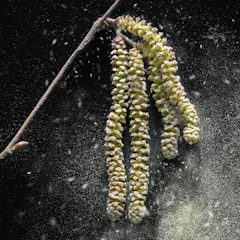
Pollen brings seasonal misery to millions of Americans, but it serves a critical purpose: fertilizing many kinds of plants, including food crops.
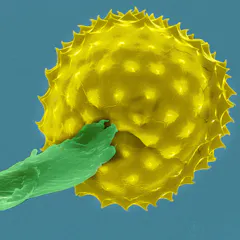
Rising temperatures mean longer, earlier pollen seasons, but the bigger problem is what carbon dioxide will do to the amount of pollen being released. A 200% increase is possible this century.
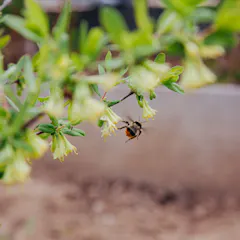
Up to 85% of the nectar available to pollinating insects in a city comes from gardens. What we plant – whether in an allotment or a window box – can make a huge difference.

Not only have asthma attack rates decreased during the pandemic, evidence suggests people with asthma are not at increased risk of severe outcomes from COVID.
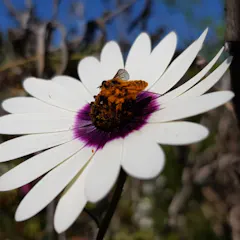
Half of all flowering plants mostly or completely rely on animal pollinators to make seeds. A decline in pollinators could cause major disruptions in natural ecosystems.

Scientists are building a pollen forecasting model using meteorology, botany, pollen count numbers and satellite imagery to help people plan ahead.

Baobab flowers have male and female parts but individual trees appear to be favouring one rather than the other. To keep tree populations healthy and fruitful, both types are needed.

Combining evidence from archaeology, geochronology and paleoenvironmental science, researchers identified how ancient humans by Lake Malawi were the first to substantially modify their environment.
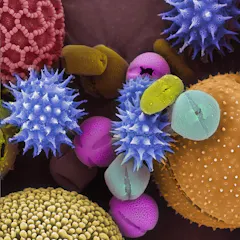
As climate change drives pollen counts upward, that could potentially result in greater human susceptibility to other viruses, as well.
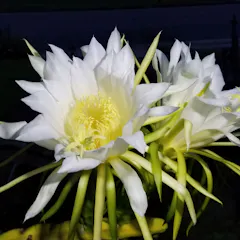
Not all flowers smell good, to people at least, but their scents are a way to attract pollinators.
Top contributors
-

Respiratory Allergy Stream Co-chair, National Allergy Centre of Excellence; Professor and Head, Allergy Research Group, Queensland University of Technology
-
Associate Pro Vice-Chancellor: Innovation and Knowledge Exchange, University of Nottingham
-
Honorary Associate Professor
-
Professor of Atmospheric Science, University of Michigan
-
Ph.D. Student in Atmospheric Science, University of Michigan
-
Baobab Ecologist, University of the Witwatersrand
-
Respiratory Allergy Stream member, National Allergy Centre of Excellence; Associate Professor, School of Translational Medicine, Monash University
-
Professor in Molecular Ecology, Bangor University
-
Postdoctoral Researcher, Center for Health and the Global Environment, Environmental and Occupational Health Sciences, University of Washington
-
Postdoctoral Research Officer, Bangor University
-
Professor of Floriculture and Ornamental Horticulture, Mississippi State University
-
Associate Professor of Botany, The University of Melbourne
-
Professor of Medicine University of Melbourne and Director of Research, Royal Melbourne Hospital., The University of Melbourne
-
Associate Professor, Associate Chair of Graduate Studies for Environmental Engineering, and Canada Research Chair in Stormwater and Low Impact Development (Tier II), Carleton University
-
Professor of Zoology, University of Pretoria