
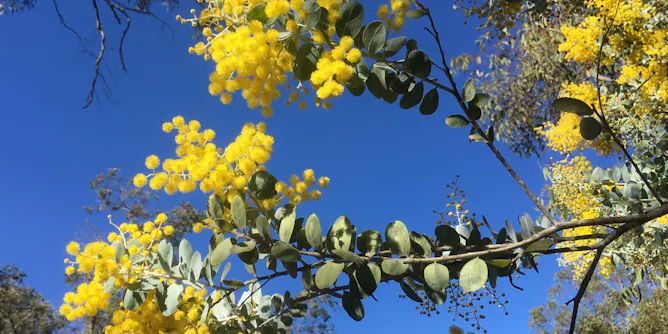
With their vibrant blooms and a lineage tracing back to the ancient supercontinent of Gondwana, wattles have a lot going for them.
Articles on Pollen
Displaying 41 - 60 of 61 articles
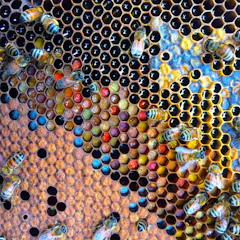
A single colony of bees can have 60,000 bees in it. Together, they can visit up to 50 million flowers each day to collect pollen and nectar. They’re not called ‘busy bees’ for nothing!
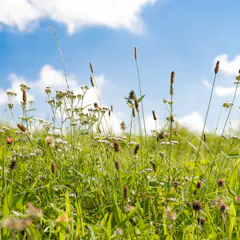
If you get hay fever, minimising your exposure to grass pollen is likely to be useful. Fortunately, it’s becoming easier to keep track of the pollen count. But what do you do when it’s high?
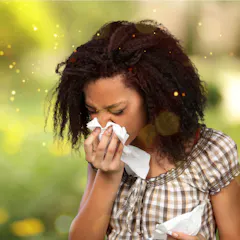
Allergic reactions to pollen may occur at different times of the year and for prolonged periods, and this will worsen with climate change.
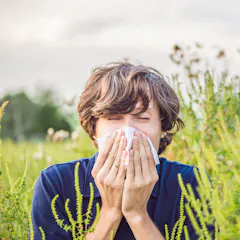
Pollen counts focus on the amount of grains in the air, but it could be the species that are more important.
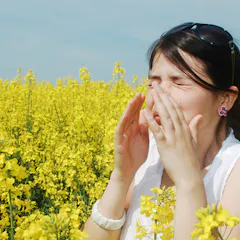
Pollen is ancient, but in recent times, it’s getting worse. An allergist offers ways to manage the suffering and enjoy the spring.

You can tell the difference by the colour of your snot.

Pollination by commercially raised bees is important to a variety of crops but none more than California almonds. In turn, beekeepers depend on them.
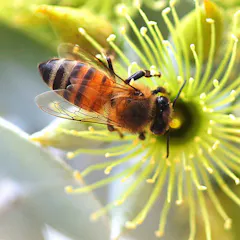
Australia’s distinctive native plants give our honey a distinctive stamp. Welcome to melissopalynology: the study of pollen.
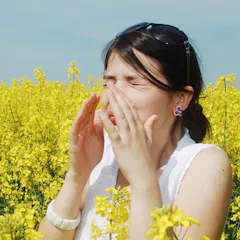
Unlocking the genetic code of certain grasses could help allergy sufferers.

Pollination in South Africa’s ecosystems is extremely complex. However new advances such as pollen metabarcoding help us understand interactions between pollinators and pollen.
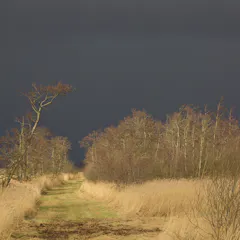
What you should be doing this thunderstorm asthma season.
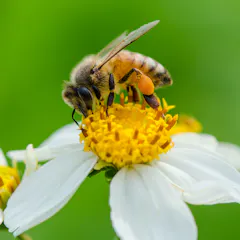
Urban bees deal with what’s known as “habitat patches,” discontinuous patches of green like gardens, parks and ravines. Green roofs could offer relief to bees dealing with habitat fragmentation.
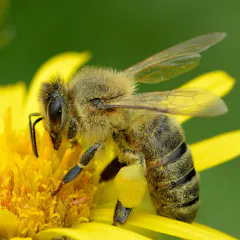
Bees need pollen to survive and grow, but not all plants can provide the right mix.

Researchers from a range of disciplines need to work together if we are to predict and prepare for the next thunderstorm asthma event.
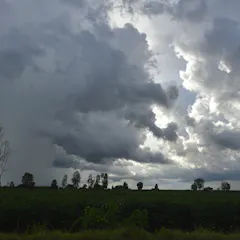
Melbourne’s recent thunderstorm asthma event caught services by surprise. So, is it time for a national health protection agency to coordinate our public health response?
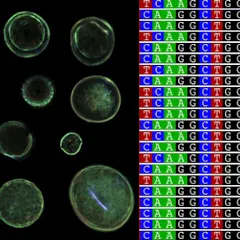
Pollen is all around us, is extremely durable and can provide clues about where someone’s been. A new genetic technique will make it easier to use pollen evidence in criminal investigations.

Nutrition is another factor - in addition to pesticides and bee disease - that has led to the dwindling of the global bee population.

Allergies are reactions caused by the immune system as it responds to environmental substances that are usually harmless. But we don’t yet have a cure or the ability to prevent them from developing.
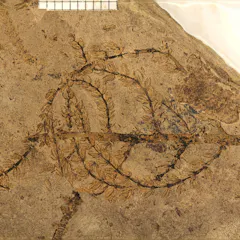
The fossilized plant Montsechia relied on water to disseminate its genetic material and may rewrite the book on when and how the first flowering plants evolved.
Top contributors
-

Respiratory Allergy Stream Co-chair, National Allergy Centre of Excellence; Professor and Head, Allergy Research Group, Queensland University of Technology
-
Associate Pro Vice-Chancellor: Innovation and Knowledge Exchange, University of Nottingham
-
Honorary Associate Professor
-
Professor of Atmospheric Science, University of Michigan
-
Ph.D. Student in Atmospheric Science, University of Michigan
-
Baobab Ecologist, University of the Witwatersrand
-
Respiratory Allergy Stream member, National Allergy Centre of Excellence; Associate Professor, School of Translational Medicine, Monash University
-
Professor in Molecular Ecology, Bangor University
-
Postdoctoral Researcher, Center for Health and the Global Environment, Environmental and Occupational Health Sciences, University of Washington
-
Postdoctoral Research Officer, Bangor University
-
Professor of Floriculture and Ornamental Horticulture, Mississippi State University
-
Associate Professor of Botany, The University of Melbourne
-
Professor of Medicine University of Melbourne and Director of Research, Royal Melbourne Hospital., The University of Melbourne
-
Associate Professor, Associate Chair of Graduate Studies for Environmental Engineering, and Canada Research Chair in Stormwater and Low Impact Development (Tier II), Carleton University
-
Professor of Zoology, University of Pretoria