

South Africa’s first five-year pollen calendars reveal when allergy seasons hit seven cities, and how sufferers can prepare before symptoms start.
Articles on Asthma
Displaying 1 - 20 of 155 articles
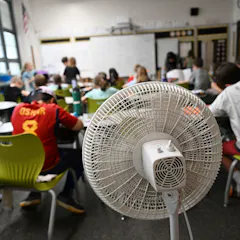
Mold spores, 90-degree classrooms and aging pipes: An environmental health expert explains why Pennsylvania’s old schools are harder on kids than adults.

Eastern states have experienced more vegetation growth during late winter and early spring, while WA has had lower plant growth. Here’s what this means for symptoms.

Greater Philadelphia earned failing air quality grades. A new study finds higher asthma rates near industry and major roads, especially where green space is scarce.
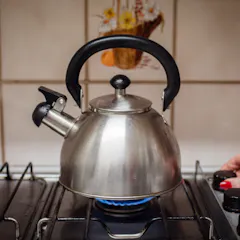
People with poorly controlled asthma may be able to breathe easier by making a change in the kitchen.

Even small increases in air pollution can increase the risk of serious respiratory illnesses for preterm infants and their risk of having asthma as they get older.
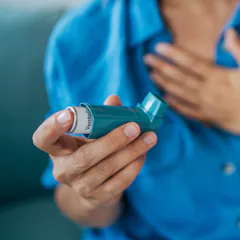
A new generation of drugs could ‘switch off’ asthma, effectively curing it. That would mean no more puffers and no more flare-ups.

A new study reveals how the lake bed’s toxic dust impairs lung development in children living nearby.
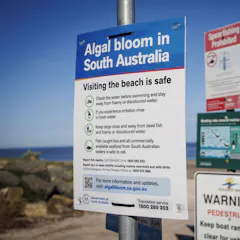
Wave action can produce aerosol droplets containing brevetoxins, and people with asthma are at risk.

The use of polluting household fuels and gas was associated with an increased likelihood of eczema, followed by severe asthma symptoms.
Detroiters are hospitalized for asthma four times more often than Michigan residents overall. A proactive approach to care can improve symptom management.
Uncontrolled inflammation is usually thought to be the culprit behind asthma. But in asthma patients who have survived intimate partner violence, a possible new pattern is emerging.

Unchecked airborne infections cost billions in lost health and productivity each year – likely more than the cost of better ventilation to clean up indoor air.
New research shows how La Niña and El Niño weather patterns can affect pollen levels, with a shorter and less severe hay fever season during a rainier La Niña.
An emergency medical plan, labeling an inhaler, and learning how to use different medications can help children with asthma manage their symptoms.

The ranking of ‘asthma capitals’ in the US is released each September, the peak time of year for asthma attacks and hospitalizations.
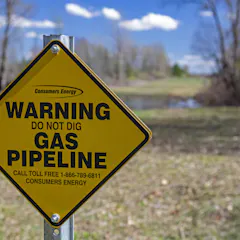
Methane reacts in the atmosphere to form components of fine particulate air pollution, which can penetrate deep into the lungs and increase risk for heart disease and asthma.

Some studies indicate children with pets may be less likely to have allergies. But the evidence can be tricky to interpret.
Children who grow up on farms are less likely to develop asthma or allergies as adults. The reason? Micro-organisms in the air.

Our study revealed that air pollution, lack of green space and areas built primarily from concrete and asphalt were key factors in asthma risk.
Top contributors
-

Respiratory Allergy Stream Co-chair, National Allergy Centre of Excellence; Professor and Head, Allergy Research Group, Queensland University of Technology
-
Associate Professor of Environmental and Occupation Health, University of California, Irvine; University of Southern California
-
Head, Respiratory Program, George Institute for Global Health; UNSW ; University of Sydney
-
Honorary Associate Professor
-
Associate Professor of Legal Studies and Political Science, UMass Amherst
-
Professor of Climate Sciences, Duke University
-
Associate Professor of Botany, The University of Melbourne
-
Senior Conjoint Lecturer, UNSW
-
Associate Professor in Biomedical Sciences, University of Canberra
-
Scientia Professor, Faculty of Medicine and Health, UNSW
-
Scientific Officer in Biomedical Sciences, University of Leeds
-
Professor, Environmental Studies Program at UC Santa Barbara
-
Head of the Respiratory Clinic and Reader in Sport and Exercise Sciences, University of Kent
-
Professor and Chair, Department of Environmental Health, Boston University
-
Brett Montgomery is a Friend of The Conversation.
Senior Lecturer in General Practice, The University of Western Australia