
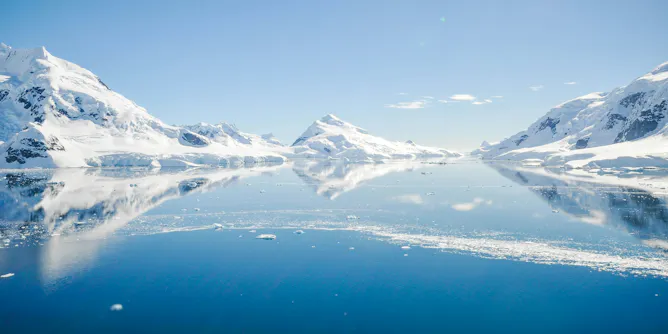
Long overlooked because of their size, giant viruses are now redefining the frontiers of microbiology.
Articles on Polar ice
Displaying 1 - 20 of 28 articles
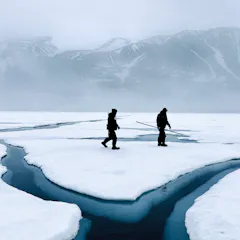
The 20th anniversary of the annual report tracks how sea ice, snow cover and many other vital signs of the Arctic have changed, and the impact that’s having on people and wildlife.
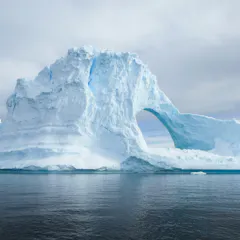
The plans could also unintentionally harm fragile polar ecosystems.
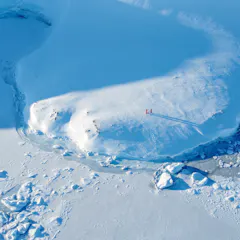
In a world impacted by climate change, Antarctica holds the key to everyone’s future.
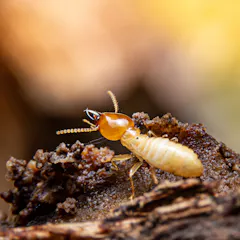
One fossilised log from southern Australia has spilled the dirt on termites’ very cold and very ancient past.
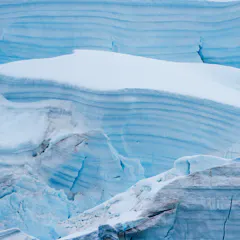
The world is on track to exceed 2°C warming within the next five years, with dire consequences for polar ice, mountain glaciers and permafrost – and human society.

Emperor penguins survive in a ‘Goldilocks zone’ between too much sea ice and too little. Climate change is having an impact.
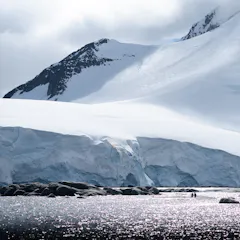
If emissions continue at their current pace, Antarctica will cross a threshold into runaway sea rise when today’s kids are raising families. Pulling CO2 out of the air later won’t stop the ice loss.
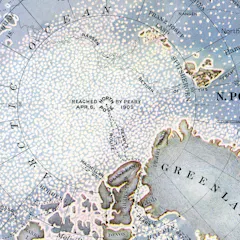
The pattern of autumn sea ice growth has been completely disrupted. The director of the National Snow and Ice Data Center explains what’s happening.
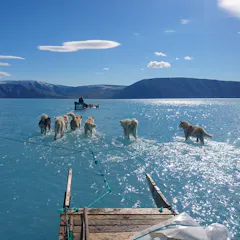
Greenland’s ice made headlines in June, as warm weather made for unseasonably widespread melting. And though this summer is still unfolding, the human fingerprint on Greenland’s ice can’t be denied.
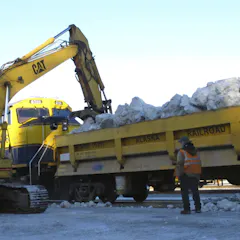
For everyone from traditional hunters to the military, the National Park Service to the oil industry, climate change is the new reality in Alaska. Government, residents and businesses are all trying to adapt.
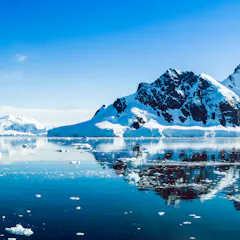
Under the terms of the current treaty all commercial mining is forbidden, but rumblings of discontent are stirring beneath the ice.
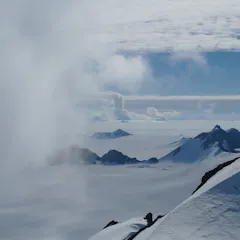
What will Antarctica look like in 2070? Will the icy wilderness we know today survive, or will it succumb to climate change and human pressure? Our choices over the coming decade will seal its fate.
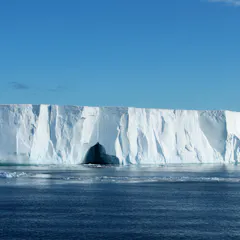
Since 1995, several ice shelves off the Antarctic Peninsula have abruptly disintegrated. A new analysis suggests that these events are triggered when ice shelves lose their buffer of floating ice.
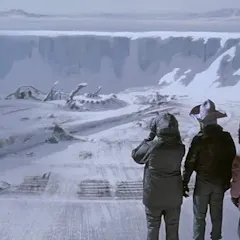
John Carpenter’s The Thing is a sci-fi classic with a strong fanbase among polar scientists. So why does it resonate so much?
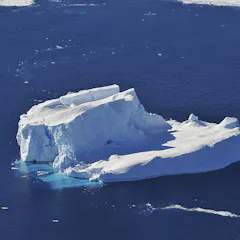
The climate secrets contained in an ancient tree that lived through abrupt global change reveal how Antarctica can trigger rapid warming in the north by dumping cold water into the Southern Ocean.

Climate change is set to expand Antarctica’s ice-free area, potentially helping native species to flourish but also paving the way for invasive species to gain a foothold.
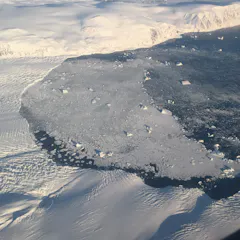
Greenland’s ice is largely responsible for the accelerating pace of sea-level rise. A new analysis shows that, while Greenland accounted for just 5% of the rise in 1993, that figure rose to 25% by 2014.
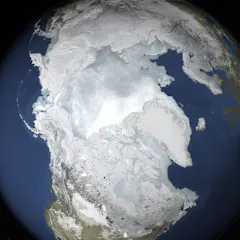
There is no doubt that 2016 has been a record-breaking year for the Earth’s climate.
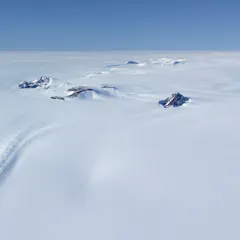
Buried beneath kilometres-thick slabs of ice are rivers and huge lakes - some of which are teeming with microbes that thrive in a world without light or oxygen.
Top contributors
-

Chair Professor, Climate Change Research Centre, UNSW
-
Professor of Polar Geodesy and ARC Laureate Fellow, University of Tasmania
-
CSIRO Fellow, CSIRO
-
Director, Securing Antarctica's Environmental Future and Professor of Biological Sciences, Monash University
-
Senior Lecturer, School of Geography, Planning, and Spatial Sciences, University of Tasmania
-
Chief Scientist, Australian Antarctic Division and Professor of Climate Science, Australian National University
-
Professor in Biodiversity and Conservation, The University of Queensland
-
Research Lead, Carbon Dioxide Removal, CSIRO
-
Pro Vice-Chancellor of Research, University of Technology Sydney
-
Research assistant professor, University of Alaska Fairbanks
-
Chief Research Scientist - Environment, CSIRO
-
Antarctic Research Fellow and Senior Lecturer, Monash University
-
Principal Research Scientist, CSIRO
-
Physical Oceanographer, Antarctic Climate and Ecosystems Cooperative Research Centre, University of Tasmania
-
Distinguished Professor of Earth, Ocean, and Atmospheric Sciences, Oregon State University