

Christmas is hectic, and it can be easy just to go with the flow and vow to cut your plastic use in the new year. But here are some easy steps you can take now to make your Christmas plastic-free.
Articles on Plastic
Displaying 241 - 260 of 399 articles
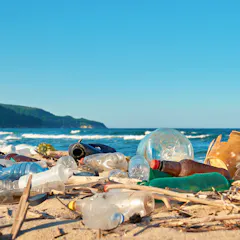
While the world gathers to negotiate on climate change, governments must recognise the public desire for action on plastic pollution and work together to solve it.

One big problem with plastics is that they’re largely made of petroleum. Sourcing bio-polymers from plants and bacteria has some big benefits – and the technology is starting to take off.
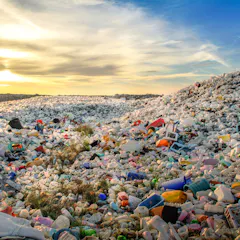
Academics from different disciplines come Head to Head in this series to tackle topical debates.
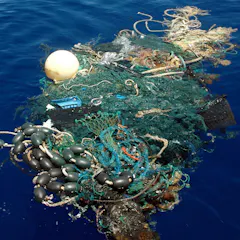
Cleaning up plastic pollution in the ocean is good – and long overdue. But where will the waste go? Recycling isn’t always an option. Bacteria and enzymes could process it, raising new questions.
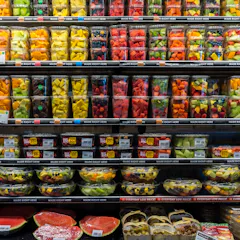
Much of the trash on Canadian shorelines can be traced to five food companies. We could soon see more compostable and edible packaging.
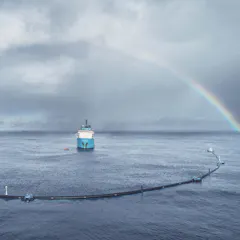
Research finds removing plastic from the ocean has huge economic benefits, even if there is little money to be made doing so.
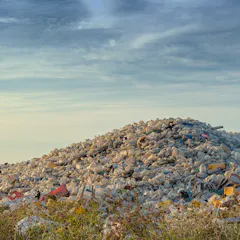
In the EU, 31% of plastic products go to landfill: but a process called “cold plasma pyrolysis” could turn them into clean fuels.
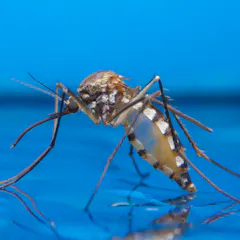
Mosquitoes are transferring microplastics eaten in water into birds and other non-marine animals.

Trump’s plan to slap $200 billion more in tariffs on Chinese goods is premised on yesterday’s waste-fueled economy. Tomorrow’s economy is ‘circular.’
South Africa needs to strengthen its response to plastic pollution.

BPA, used widely in plastics and as a liner in food cans, was replaced by a related chemical called BPS. But it seems that this substitute may also harm eggs and sperm and disrupt hormones.
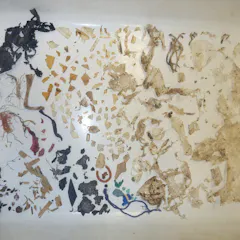
Autopsies of 1,000 turtles washed up on Australian beaches paint a grim picture of the impact of plastic debris. Even a single piece can be deadly, and on average 14 pieces equals a 50% fatality rate.
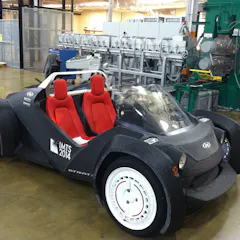
Is 3D printing better for the environment than conventional manufacturing? The jury is still out.

Incineration of household waste has gotten a bad name, argues an economist, who sees today’s recycling crisis as an opportunity to reconsider how the U.S. handles its waste.
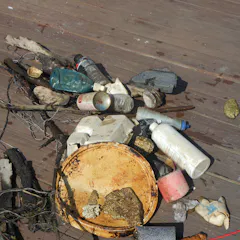
Roughly 10,000 tons of plastic enter the Great Lakes every year, and scientists want to know where it ends up. There are some parallels to ocean plastics, but also important differences.
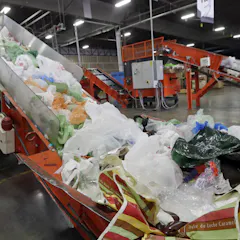
Since China stopped importing ‘foreign garbage’ in March 2018, scrap – especially plastic – has built up in the US. Will this shock trigger long-overdue investments in plastic recycling here?

Bio-based plastics made from natural sources break down more easily than conventional plastic, without producing toxic byproducts. But for this to happen they have to be composted, not buried in landfills.
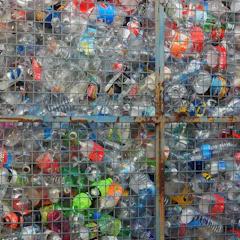
Research is yielding strategies for making plastics greener and more sustainable. But without support as they scale up, new versions will struggle to compete with well-established synthetic plastics.

You know you’ve hit it big when your designs find their way into millions of kitchens – and the Museum of Modern Art.
Top contributors
-

Senior Principal Research Scientist, Environment, CSIRO
-
Research Chair, Indigenous Approaches to Environmental Management, Keele University
-
Senior Principal Research Scientist, CSIRO
-
Lecturer, School of Life and Environmental Sciences, Deakin University
-
Professor of Sustainable Development, Keele University
-
Research Scientist, Stanford University
-
Lecturer in Ornithology, Charles Sturt University
-
Assistant Professor of Ecology and Evolutionary Biology, University of Toronto
-
Professor, School for Resource and Environmental Studies, Dalhousie University
-
Professor of Ocean Policy and Economy, University of Portsmouth
-
Professor of Coastal Oceanography, The University of Western Australia
-
Associate professor, University of Portsmouth
-
Oceanographer, The University of Western Australia
-
Research associate, Loughborough University
-
Professor of Global Environmental Politics, University of California, Berkeley