

Melanoma is the deadliest form of skin cancer.
Articles on Personalised medicines
Displaying 1 - 20 of 36 articles
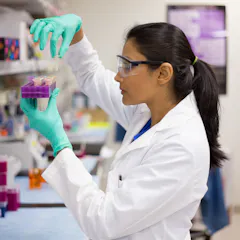
Cancer vaccines are an emerging personalised treatment for cancer. Using the same mRNA technology as COVID vaccines, they stimulate the immune system to destroy cancer cells.
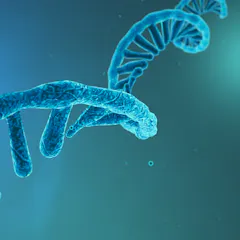
RNA was used to make COVID vaccines. Now it could lead to more personalised healthcare.

New manufacturing processes will revolutionise the way we take our medicines.

A new study aims to understand how thoughts and feelings influence pain.

Introducing a new series from The Anthill podcast on the future of personalisation in healthcare.
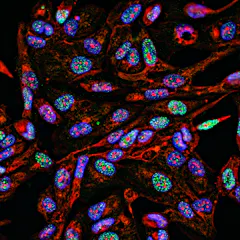
There is a need to move from conventional cancer treatments to more targeted and personalised therapies.

Precision medicine is all the rage, but it may only be effective at treating less common diseases.

Clinical trials are used to establish that medicines work. But these don’t take into account the genetic differences between us that can mean very different outcomes for different patients.
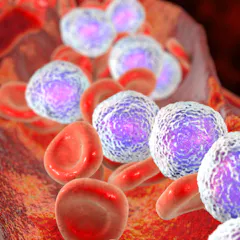
Seeing cancer in ‘high-resolution’ could improve personalised medicine.

Scientists edge closer to truly personalised medicine thanks to advances in genome sequencing.

Metabolites in a drop of blood may be a better way to determine your metabolic health than body mass index (BMI).

Academics from different disciplines come Head to Head in this series to tackle topical debates.

If you could take a test that would reveal the diseases you and your family might be more likely to get, would you want to do it?
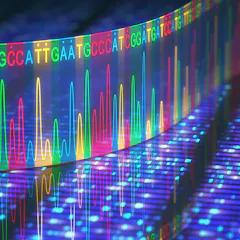
Colin Smith became the first person to donate his genomic data to the Personal Genome Project UK under ‘open consent’ – waiving rights to anonymity.
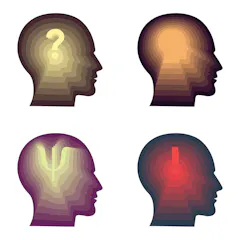
People with the same condition can respond differently to the same treatment. This is why personalised treatment is so important in all fields of medicine, including psychology.

A test of all your genes for disease risk is not yet the precision diagnostic and treatment tool we hope it will one day be.

Cystic fibrosis (CF) affects around 3,000 people in Australia and 70,000 worldwide. It’s an inherited disease caused by a mutation in a single gene called CFTR.

The rise of personalised medicine, which is mainly based on genetic testing, needs adequate regulation so privacy rights aren’t breached. That’s only one of several issues that must be considered.

Our knowledge of diseases is growing exponentially, but turning knowledge into cures is proving to be a tricky business.
Top contributors
-

Adjunct Professsor, School of Psychology, Faculty of Health and Medical Sciences, Adelaide University
-
Professor of English, University of Newcastle
-
Professor of Haematology, University of Oxford
-
Lecturer in Reproductive and Molecular Genetics, UCL
-
Senior Researcher in Global Health, Stellenbosch University
-
Lecturer in Biochemistry, Murdoch University
-
Senior research fellow, Adelaide University
-
Chief Medical Scientist and Team Leader, CF Airway Research Group, 2000-2024, Adelaide University
-
The University of Melbourne
-
Associate Professor, University of Michigan
-
Lab Head, Gynaecological Cancer Research Group, Lowy Cancer Rearch Centre, UNSW
-
Emeritus Professor of Law, University of Tasmania
-
Postdoctoral Research Scientist in Molecular Genetics, University of Oxford
-
Senior Lecturer in Pharmaceutical Sciences, RMIT University
-
Associate Professor, School of Biomedical Sciences, Queensland University of Technology