

Lessons from the pandemic show resilience requires targeted learning support, mental health investment, strong data systems and thoughtful digital strategies.
Articles on COVID-19 and education
Displaying 1 - 20 of 36 articles
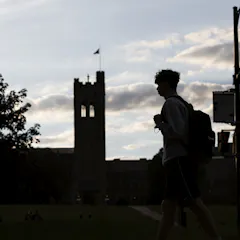
Students in an international survey said they really missed chances to be together in person for campus-related activities, not only due to academic concerns.
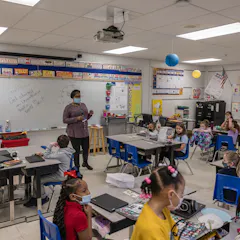
Despite signals of increased turnover, the past two years have not experienced mass departures from the teaching profession.
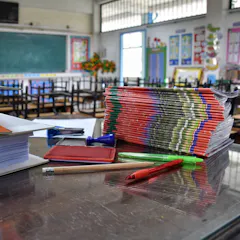
With decreasing teacher degree completion rates and low teacher retention, Australia was already facing a growing teacher shortage before the pandemic. But it’s about to get much worse.
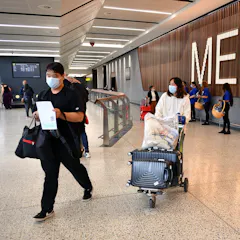
The federal government has for months been unclear about when international students could return to Australia. And there are still many uncertainties about the latest announcement.
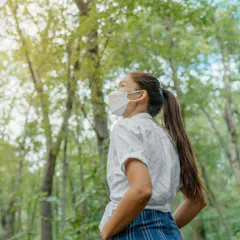
Senior school students have had a stressful year. But their personal experiences during this turbulent period can also be a source of inspiration for writing tasks in the English exam.
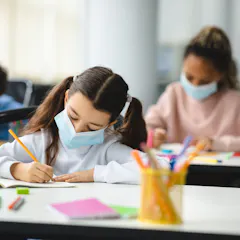
A new study in the United States found school reopening in late 2020 was associated with an increase in COVID-19 cases and deaths. But this was mostly the case where masks weren’t required.
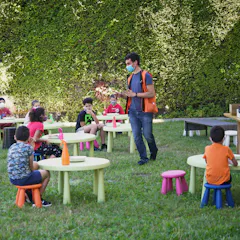
Moving classrooms outside is not a new idea. It’s been done in past disease outbreaks such as tuberculosis and the Spanish flu.

During the lockdowns last year, many experts and parents were concerned children’s education would suffer. But on average, students did OK. A lot of learning is incidental.
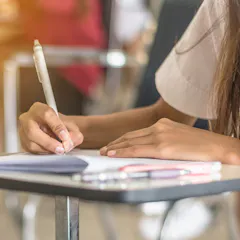
Our educational model, and particularly end-of-school assessments, are based on old modes of practice that no longer serve the 21st century student and their future. We have other options.

Year 12 students in NSW affected by lockdowns will be able to apply for special consideration for exams and special projects. Here’s what Victorian teachers said about a similar policy last year.

Tuesday’s budget shows a reversion back to the previous policy of keeping total higher education funding broadly stable.
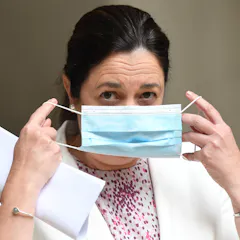
We need a layered strategy — depending on the amount of community transmission – to ensure the response isn’t the same every time with each snap lockdown: to close schools. Here’s how to do it.
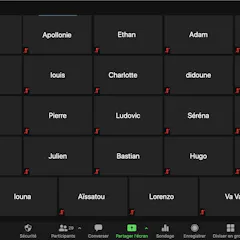
How to invite students to participate in classes and experiment when the computer becomes the main classroom?
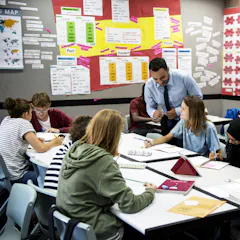
A year-long analysis of Victorian primary and secondary school classrooms has found the amount of carbon dioxide often far exceeds the maximum acceptable standard.
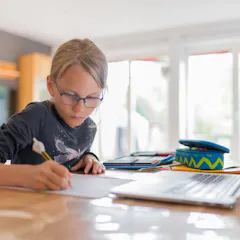
We compared the educational progress in years 3 and 4 in 2019 with 2020 – the year normal schooling was disrupted by the pandemic. Overall, students progressed at the same rate in both years.

New South Wales and Victoria are investing $250 and $337 million respectively for disadvantaged students who fell behind in 2020 to have extra tutors.
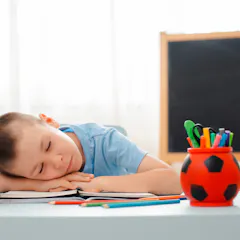
Issues like a lack of focus and heightened anxiety when learning at home could be due to students lacking the autobiographical memory they need to learn in an alternative context.
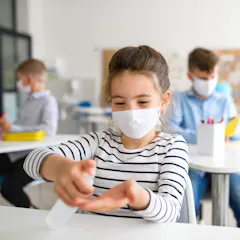
The risk associated with schools is tied to the level of community transmission. The more community transmission there is, the more transmission there will be in schools.
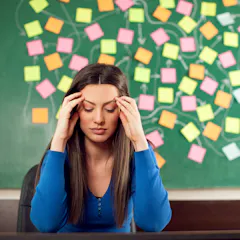
An educational ethicist talked to teachers about what ethical issues were most pressing during COVID. Here are the three that featured most.
Top contributors
-

Adjunct Professor, School of Nursing and Midwifery, Western Sydney University
-
Deputy Program Director, School Education, Grattan Institute
-
Research Fellow, The University of Western Australia
-
Senior Lecturer, Faculty of Education, Monash University
-
Senior Lecturer in Education, Queensland University of Technology
-
Associate professor of edcuational leadershiop and policy analysis, University of Missouri-Columbia
-
PhD student, Department of Political Science, University of Toronto
-
Lecturer, Makerere University
-
Senior Lecturer in Population Geography, Adelaide University
-
Senior Principal Research Fellow; paediatrician; infectious diseases epidemiologist; vaccinologist, The University of Melbourne
-
Professor and Director, Mitchell Institute, Victoria University
-
Professor, Education, Environmental Sustainability and Childhood Studies, Swinburne University of Technology
-
Director, Center for Community Child Health Royal Children's Hospital; Professor, Department of Paediatrics, University of Melbourne; Theme Director Population Health, Murdoch Children's Research Institute
-
Senior Lecturer, School of Property, Construction and Project Management, RMIT University
-
Associate Professor of Special Education, Boston University