
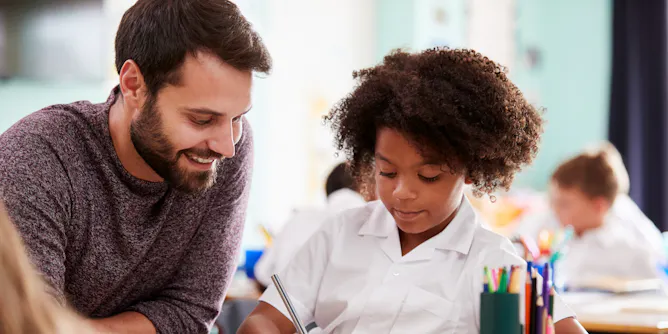
Many interactions between teacher and student may appear insignificant or random, but they are important for learning and building relationships.
Articles on Pandemic school closures
Displaying 21 - 40 of 41 articles
Academic progress seems to be the government’s primary concern. But school pupils have experienced lockdown learning – and losses – in a myriad ways
During 2020, we saw the traditional classroom all but disappear. We can expect education to face other types of disruption. In an uncertain future, teachers need more than classroom-readiness.
We need a layered strategy — depending on the amount of community transmission – to ensure the response isn’t the same every time with each snap lockdown: to close schools. Here’s how to do it.
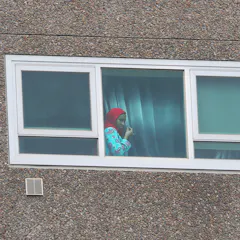
What might the past offer us at this moment, and how will future generations reflect on this year? How will this present become the future’s past?
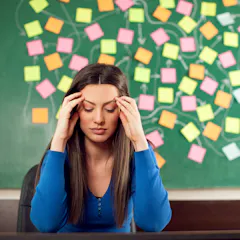
An educational ethicist talked to teachers about what ethical issues were most pressing during COVID. Here are the three that featured most.
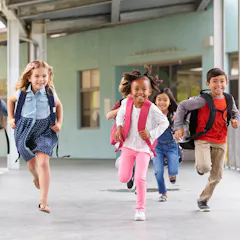
A new report shows out of 1 million students enrolled in all Victorian schools, only 337 may have acquired the virus through outbreaks at school.
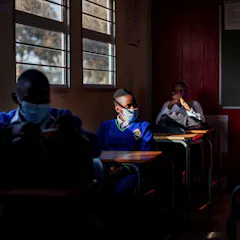
The country’s Constitution, as well as several court rulings, offer clear guidelines for how children’s best interests should be managed and prioritised.

Remote school may look different to ‘normal’ school, but children are still being taught; they are still learning and many are still actively engaged in the curriculum.
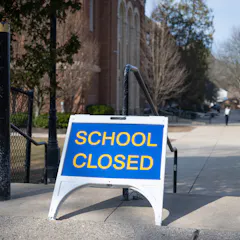
One approach to figure out what to expect is to look at the experiences of different countries after they closed schools due to previous pandemics, war or industrial action.
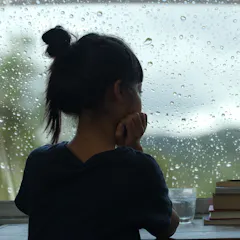
Some children are not socially engaging with their peers in the way they did before the pandemic. It’s understandable if parents are worried.

Good mental health is the ability to adapt to changes and stress. Whatever school looks like, parents can help keep kids’ social-emotional development on track in these four areas.

For starters, why not have Hollywood team up with teachers to make education more entertaining?

The stress of having children do distance learning at home during the pandemic is linked to an increase in alcohol consumption among parents, a new survey finds.
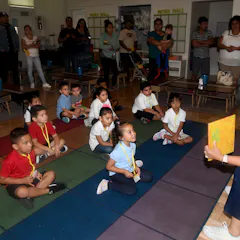
An effort to bring three teachers together while they taught young students online over the summer in Arizona didn’t bode well.
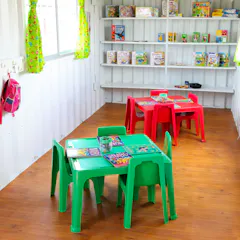
Given what is now known about the mortality rates of COVID-19, the ongoing disruptions to children’s care, education and health are no longer justified.
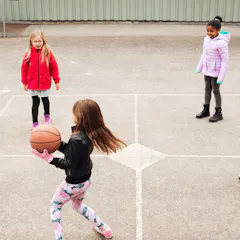
Children need time to play and be outside. That will be true even if instructional hours are cut short due to social distancing.
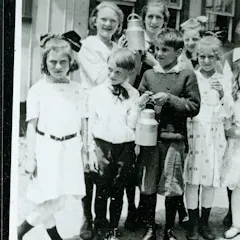
School systems realized that they couldn’t deal with the pandemic on their own.
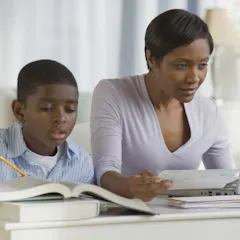
When white parents decide to homeschool, usually it’s to provide individualized education to their child. Research shows black parents homeschool for an entirely different reason.
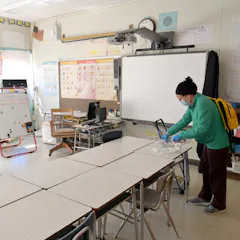
Making classrooms, cafeterias and other spaces less crowded will be essential. There are two main ways to do that.
Top contributors
-

Director, Center for Community Child Health Royal Children's Hospital; Professor, Department of Paediatrics, University of Melbourne; Theme Director Population Health, Murdoch Children's Research Institute
-
Senior Principal Research Fellow; paediatrician; infectious diseases epidemiologist; vaccinologist, The University of Melbourne
-
Professor of Economics and South African Research Chair in the Economics of Social Policy, Stellenbosch University
-
Professor of Paediatrics and vaccinologist, Royal Childrens Hospital, University of Melbourne and Murdoch Childrens Research Institute (MCRI); Associate Dean International, University of Melbourne, Murdoch Children's Research Institute
-
Senior Lecturer, Early Childhood Education, Deakin University
-
Postdoctoral Researcher, Deakin University
-
Associate Professor of Economics, University of South Carolina
-
School Education Program Director, Grattan Institute
-
Deputy Program Director, School Education, Grattan Institute
-
Daniella J. Forster is a Friend of The Conversation.
Senior Lecturer, Educational ethics and philosophies, University of Newcastle
-
Professor of Social Epidemiology, London School of Hygiene & Tropical Medicine
-
Executive Director of the Pennsylvania School Study Council, Professor of Practice in Educational Leadership, Penn State
-
Researcher, University of Cape Town
-
Executive Director, Youth Impact, Senior Fellow, University of Oxford
-
Professor, Department of Pediatrics, University of British Columbia