
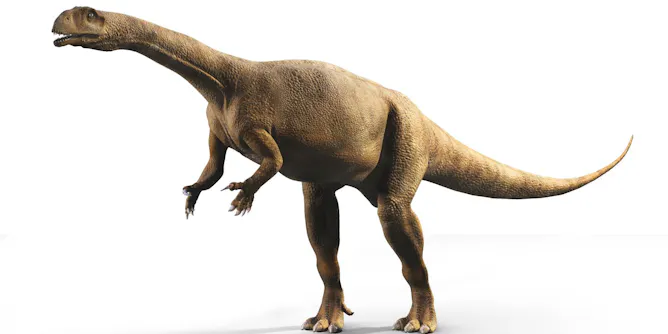
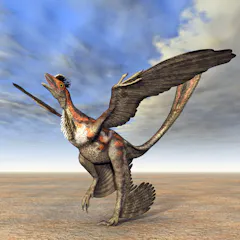
This is a crucial dinosaur for palaeontologists; the variety of fossils available means researchers can study the species’ growth through its whole life span.
Articles on Palaeontology
Displaying 101 - 120 of 235 articles
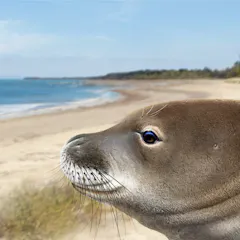
Ancient climate change doomed the monk seals that lived in Australian waters millions of years ago.
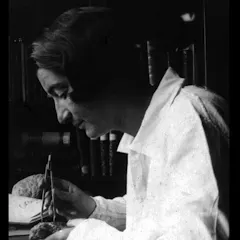
Tilly Edinger was the first person to apply a deep-time perspective into different species’ brain evolution. She did this by focusing on the hollow space within a dead animal’s skull.
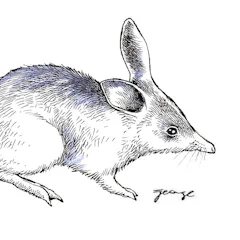
Very few bilby and bandicoot fossils have ever been found. Four new discoveries help fill in the picture of how these elusive animals evolved.
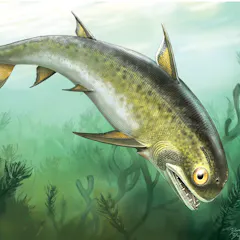
Scientists have long believed that sharks were the first vertebrates to evolve teeth. Our new study reveals a more complex history.
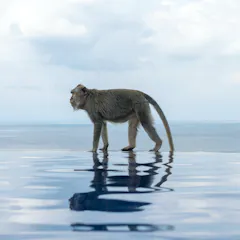
Given tens of millions of years, wildly improbable events – like primates crossing oceans – are almost a given.
A transcript of episode 11 of The Conversation Weekly podcast, including an interview on Israel’s foreign policy options following its recent election.
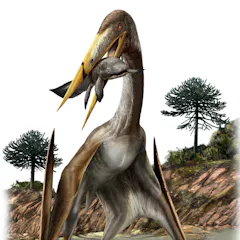
Gigantic flying reptiles had impressive wingspans of up to 12 metres – and a special trick in their necks.

The environmental, cultural and scientific sensitivity of some sites, and rarity of some fossils, means amateur fossil collecting comes with huge risks.
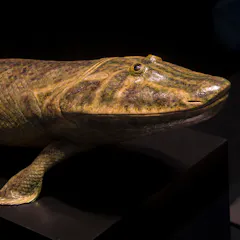
‘Tetrapods’ were the first fish to evolve lungs and walk onto land. They were also our ancestors. Now, a new study sheds light on the size and shape of these unique animals’ brains.
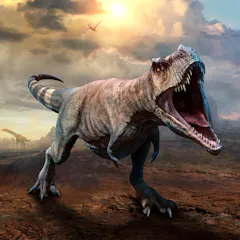
Our new study has found younger tyrannosaurs would have hunted small prey.
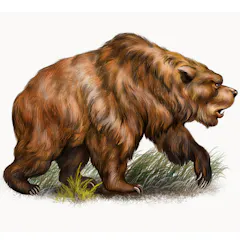
This is the oldest genome recovered from a non-permafrost environment.
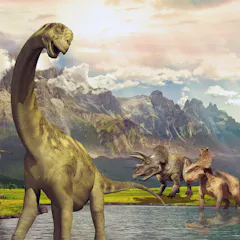
The study reveals changes in the functions of melanin over 500 million years.
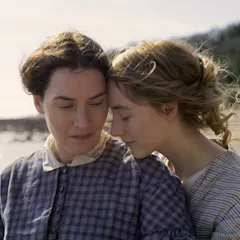
Kate Winslet plays palaeontologist Mary Anning in the film Ammonite. The love story may be fictional — but how does the science stand up?
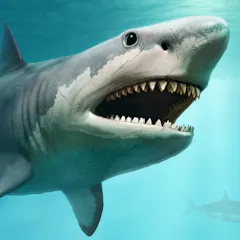
New fossil detective work sheds light on the life of megalodon, the biggest predatory shark ever discovered.
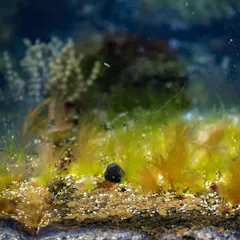
Ancient fatty molecules, once believed to be traces of some of the first animals to live on Earth, may have been produced by algae instead.
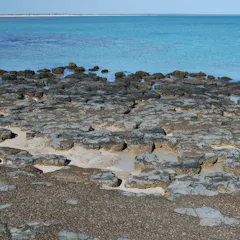
The end-Triassic mass extinction was a cataclysm for the world’s prehistoric species, killed off by volcanoes that altered Earth’s seas and skies. But new research shows it didn’t happen when we thought.

The assumption that the lateral semicircular canal of the inner ear can be used to reconstruct head posture in extinct species has long remained unchallenged.
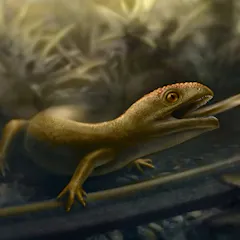
If albanerpetontids were around today, they’d easily fit in your hand. And although their bones are found all over the world, these unique amphibians eluded experts for a long time.
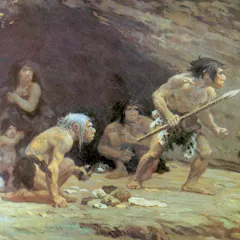
Did Neanderthal military superiority delay our migration out of Africa?
Top contributors
-

Professor of Vertebrate Palaeontology, University of Bristol
-
Associate professor in Vertebrate Palaeontology, University of the Witwatersrand
-
Senior Lecturer in Paleontology and Evolutionary Biology, Life Sciences at the University of Bath, University of Bath
-
Professor in Geochronology and Geochemistry, Southern Cross University
-
Technical Specialist in Earth Sciences, University of Bristol
-
Emeritus Strategic Professor in Palaeontology, Flinders University
-
Senior Research Scientist, South Australian Museum; Flinders University
-
Professor, School of Natural Sciences, Macquarie University
-
Professor, Palaeobiology, University College Cork
-
Chancellor's Fellow in Vertebrate Palaeontology, University of Edinburgh
-
Research Associate in the College of Science and Engineering, Flinders University
-
Research Associate, African Centre for Coastal Palaeoscience, Nelson Mandela University
-
Professor of Palaeobiology, University of Portsmouth
-
Lecturer in the School of Applied Sciences, Edinburgh Napier University
-
Associate Professor and Director, Flinders Microarchaeology Laboratory, Flinders University