
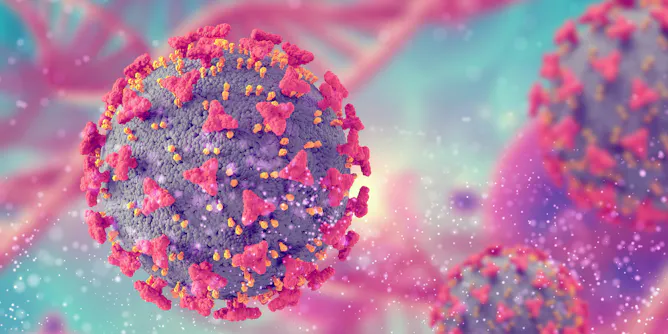
Researchers are working to engineer bacteria that can kill cancerous tumours while reducing harm to healthy cells and tissue.
Articles on Tumor
Displaying 1 - 20 of 28 articles
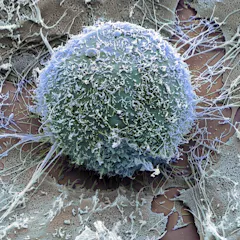
The goal is to develop treatments that can strip away the sugar shield cancer uses to hide from the immune system.

Many cancer survivors struggle with muscle weakness, which can be so profound that they may have difficulties walking up a couple of flights of stairs or going shopping for groceries on their own.
Functional precision medicine works to take the guesswork out of deciding which drug to try next for patients with cancers that don’t respond to standard treatments.
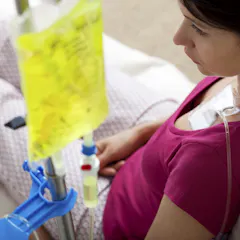
There are many approaches to treating cancer. Which ones work best is determined on an individual basis and informed by each tumor.
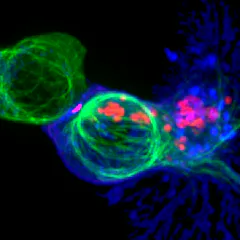
T cells recognize and kill cancer cells but quickly lose their effectiveness. This fast dysfunction may help explain why immunotherapy doesn’t lead to long-term remission for many patients.
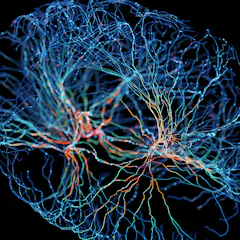
Glioblastoma is the most aggressive type of brain cancer, causing significant decline in cognitive function. New research suggests a common anti-seizure drug could help control tumor growth.
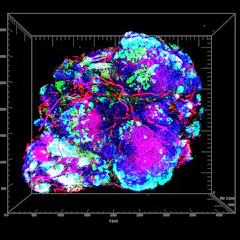
Some cancers are notoriously resistant to chemotherapy and not curable with surgery. Stopping tumors from adapting to the harsh microenvironments of the body could be a potential treatment avenue.
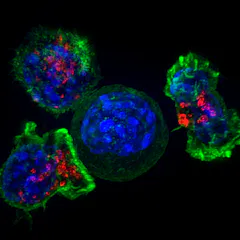
Immunotherapy has the potential to eliminate tumors, but works best for select patients. Engineering T cells to bypass cancer’s defenses could help expand treatment eligibility to more patients.

One enzyme plays a key role in how tumor cells replicate and divide indefinitely. Identifying the genes that give these cells their immortality could provide new drug targets to treat cancer.

Multicancer early detection tests are among the priorities of the Biden administration’s Cancer Moonshot. The tests show promise, but questions remain about when and how to use them.

Treating companion animals like cats and dogs for cancer can bring us closer to a cure for humans.
Fat cells and cancer cells talk to each other. Specialists in both systems can do the same.
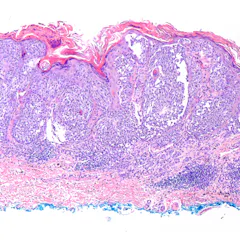
To better understand how cancer tumors grow, mathematicians use diffusion models.
In a new study, a team of US scientists have used gene editing to change the genetic code of white blood cells and transform them into more efficient tumor fighting cells. How did they do it?
Researchers are trying to boost the power of our immune system by genetically altering our white blood cells and transforming them into super-soldiers to fight cancer.
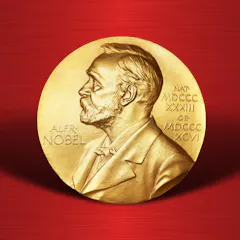
Oxygen is vital for life, so much so that cells can sense when there isn’t enough and adapt almost instantly. So how do they do it? The winners of the 2019 Nobel Prize for Physiology figured it out.
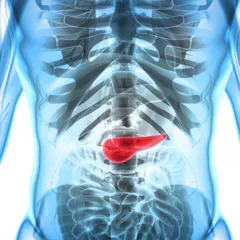
Pancreatic cancer currently has one of the least optimistic prognosis, with just 5% of patients surviving five years after diagnosis. A recent study opens a door to hope.
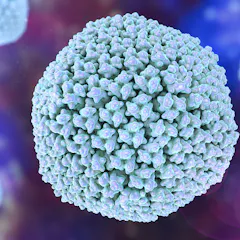
When you think of viruses, you might think of the horrible illnesses they cause, like flu or Ebola. But now researchers are learning how to use the unique traits of viruses to treat disease.
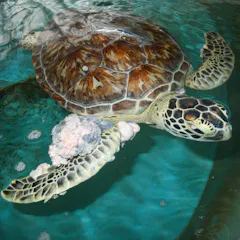
Sea turtles contend with a contagious disease that causes debilitating tumors. Genetic analysis is helping researchers figure out precision medicine-based treatments for the turtles.
Top contributors
-

Research Scientist, Georgia State University
-
Professor of Clinical and Diagnostic Sciences, Associate Dean of Research and Innovation in the School of Health Professions, University of Alabama at Birmingham
-
Resident, Neurosurgery, University of Florida
-
Assistant Professor of Medicine, University of California, San Francisco
-
Assistant Professor, Environmental and Public Health, University of Guelph
-
Assistant Professor of Medicine and Pathology, Vanderbilt University
-
Postdoctoral Fellow in Neurological Surgery, University of California, San Francisco
-
Associate Professor of Ophthalmology, UMass Chan Medical School
-
Professor of Medicine and Pharmacology, Boston University
-
Professor of Immunology and Associate Dean, Research and Graduate Studies, University of Guelph
-
Senior Scientist in Pathology, University of California, San Diego
-
MD-Ph.D. Candidate in Molecular Pathology and Immunology, Vanderbilt University
-
Professor, Biomedical Sciences, University of Guelph
-
Professor of Neurosurgery, University of Florida
-
Assistant professor of Neurosurgery, University of Florida