

Some people do inherit traits which promote dance ability - but with hard work almost anyone can learn to dance well due to the plasticity of the brain
Articles on Neuroscience
Displaying 321 - 340 of 856 articles
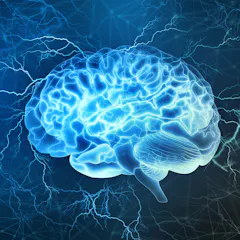
Our research suggests the multiplication of protein aggregates in individual regions of the brain, rather than their spread between regions, is key to the progression of Alzheimer’s disease.

If a friend seems to be immune to your spooky, ghost story this Halloween, ask them if they can see the story unfold in their mind’s eye.
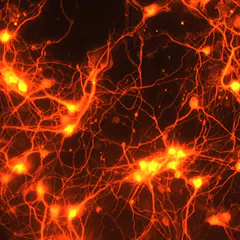
From robotic hands to brain-like computers, the Human Brain Project has produced some intriguing results.
Plus, how a team of musicologists and computer scientists completed Beethoven’s unfinished 10th Symphony using AI. Listen to The Conversation Weekly podcast.

The joint award recognizes the long road to deciphering the biology behind the brain’s ability to sense its surroundings – work that paves the way for a number of medical and biological breakthroughs.
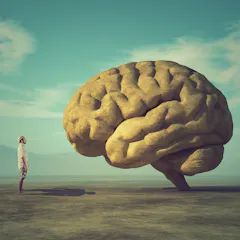
For each decision we make, we assign a certain level of confidence. How does the brain decide how much?

New research points to a biological way that racism can lead to health disparities.

The COVID-19 pandemic and a growing global refugee crisis have shone a light on the ever-increasing need for new approaches to mental health treatment.
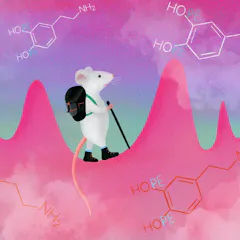
Mouse brains produce random, strong bursts of dopamine and are able to control them. This may challenge many long-held ideas about learning and motivation.
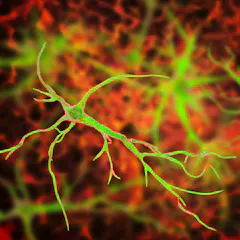
From the archive: new research helps unpick clues about the brain’s ability to change its structure. Listen to The Conversation Weekly podcast.

Ready to party post-pandemic, but at the same time feeling shy? Here’s how social isolation affects the brain – and what research suggests about the effects of resocialization.

Fetal brains are changing rapidly over the course of pregnancy, but so are the brains of mothers-to-be. Neuroscience research shows one way worry can start taking hold – and a simple way to help.

To tell you the truth, nobody really knows. But it’s probably got to do with the fact that signals from your nose and your eyes arrive in the same area of your brain.

A transcript of episode 13 of The Conversation Weekly podcast, including new research on neuroplasticity in the brain.

Early reports suggested an apparent increase in OCD relapse rates and symptom severity during the pandemic. But a year on, we’re learning this may not be the case.
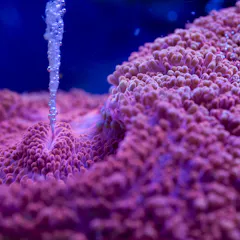
Scientists still still don’t fully understand how general anaesthesia affects the brain and body. A molecule found in bioluminescent stony coral may shed some light.

Rather than distinctly male or female, the human brain is much more like the heart, kidneys and lungs – basically the same no matter the sex of the body it’s in.
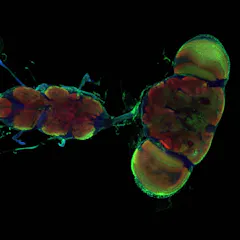
Adaptable neurons are tied to learning and memory but also to neurological disorders. By studying fruit flies, researchers found a mechanism that controls neuroplasticity.
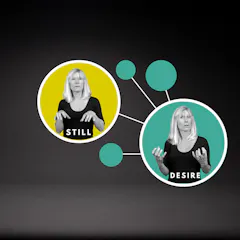
In American Sign Language, some words rhyme, some look like what they mean and some are used more often than others. A new database of these features paves a pathway for ASL research.
Top contributors
-

Professor of Clinical Neuropsychology, University of Cambridge
-
Penn State
-
Postdoctoral Research Associate, Cognitive Neuroscience, University of Cambridge
-
Senior Lecturer (Adjunct), Nutritional neuroscientist, Adelaide University
-
Head of Developmental Psychobiology Lab, Deakin University
-
Postdoctoral Researcher in Cognitive Neurosciences, The University of Queensland
-
Senior Research Fellow, Uehiro Centre for Practical Ethics, University of Oxford
-
Professor of Anatomy, University of Bristol
-
Professor Emeritus of Cognitive NeuroImaging, Aston University
-
Professor of Cognitive Neuroscience, Bangor University
-
Senior Research Fellow, The Perron Institute for Neurological and Translational Science, and Faculty of Health Sciences, Curtin University
-
Associate Professor of Family & Community Medicine and Pediatrics, retired, University of California, San Francisco
-
Professor of Behavioral Neuroscience, University of Richmond
-
Lead, Cognition and Consciousness Imaging Group, Division of Anaesthesia, University of Cambridge
-
Associate Professor in Clinical Psychology and Neuropsychology, Trinity College Dublin