

The physical activity and social connection that take place at recess help children be more engaged once back in the classroom.
Articles on Neuroscience
Displaying 301 - 320 of 856 articles
Understanding when and how neurons die is an important part of research on neurodegenerative diseases like Lou Gehrig’s, Alzheimer’s and Parkinson’s diseases.

Thinking about revenge makes the brain’s reward centres light up.

Understanding how the brain translates smells into behavior change can help advance search and rescue technology and treatments for neurological conditions.

Opioids can cause death by slowing breathing to dangerously low levels, or stopping it altogether. Examining one area of the brain may eventually lead to safer painkillers.

Plus, a lawyer explains the legal battle over Canada’s discriminatory First Nations child welfare system. Listen to The Conversation Weekly.

New research shows the choices we make, and our perceptions of the world, are biased by our initial impressions.

New research found unfamiliar voices elicited a type of brain wave linked to disturbances during sleep.
Understanding where and how memories are formed could lead to more ways to treat conditions like PTSD and addiction.

Research shows that people with more flow in their lives had a higher sense of well-being during the COVID-19 pandemic. Scientists are beginning to explore what happens in the brain during flow.

Exercise can’t make up for a poor diet, but it can help change eating habits. Regular exercise improves the brain and cognitive processes that help regulate junk food consumption and reduces stress.
Understanding how brain folding works could help researchers better diagnose and treat neurodevelopmental disorders.

The brain uses visual information and vibrations to substitute the missing sense of hearing.
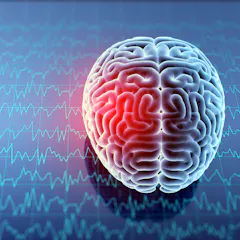
The molecule C1q has both protective and detrimental effects after traumatic brain injury. Blocking it after injury in mice restored normal brain rhythms during sleep and prevented epileptic spikes.

Foreign graduate students in the US face a slew of obstacles when it comes to advancing their research careers. Four international Ph.D. students in neuroscience offer some suggestions.

A better understanding of language and its neuroscientific basis would help us handle linguistic issues throughout our lives.

There is a lot to consider when buying a new pair of headphones. A professional musician and acoustics researcher explains how the science of sound and quirks of human hearing make for a great listening experience.

Errors don’t necessarily mean your mind is faulty. They may actually be a sign of a cognitive system with limited capacity working efficiently.
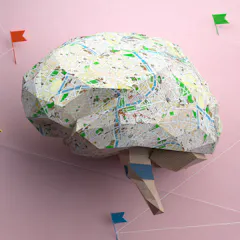
Scientists have been mapping the brain for centuries. New visualization tools bring them one step closer to understanding where thoughts come from and new ways to treat neurological disorders.
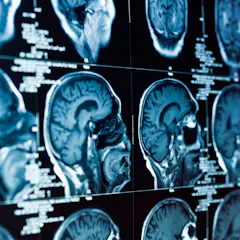
We used brain imaging techniques to show these two activities engage the same region of the brain. Then we wanted to find out more.
Top contributors
-

Professor of Clinical Neuropsychology, University of Cambridge
-
Penn State
-
Postdoctoral Research Associate, Cognitive Neuroscience, University of Cambridge
-
Senior Lecturer (Adjunct), Nutritional neuroscientist, Adelaide University
-
Head of Developmental Psychobiology Lab, Deakin University
-
Postdoctoral Researcher in Cognitive Neurosciences, The University of Queensland
-
Senior Research Fellow, Uehiro Centre for Practical Ethics, University of Oxford
-
Professor of Anatomy, University of Bristol
-
Professor Emeritus of Cognitive NeuroImaging, Aston University
-
Professor of Cognitive Neuroscience, Bangor University
-
Senior Research Fellow, The Perron Institute for Neurological and Translational Science, and Faculty of Health Sciences, Curtin University
-
Associate Professor of Family & Community Medicine and Pediatrics, retired, University of California, San Francisco
-
Professor of Behavioral Neuroscience, University of Richmond
-
Lead, Cognition and Consciousness Imaging Group, Division of Anaesthesia, University of Cambridge
-
Associate Professor in Clinical Psychology and Neuropsychology, Trinity College Dublin