

Your sense of smell is directly linked to the part of your brain that generates emotions and memories.
Articles on Neurodegenerative disease
Displaying 21 - 40 of 85 articles
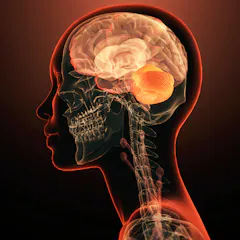
Conditions such as long COVID-19, Alzheimer’s disease and meningitis can damage the line of communication between your brain and your muscles.

Understanding how new neurons affect brain function throughout adulthood can offer new approaches to treating epilepsy and dementia.
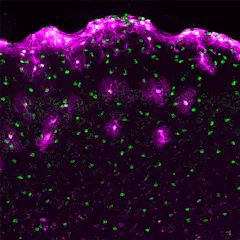
The transplantation of astrocytes — a type of brain cell as common as neurons — may provide hope of treatments or cures of some neurodegenerative disorders.
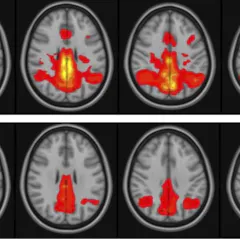
Concussion is considered a ‘mild’ injury, but effects can last a lifetime, especially with multiple impacts. Understanding their long-term effects can help predict who might develop neurodegeneration.
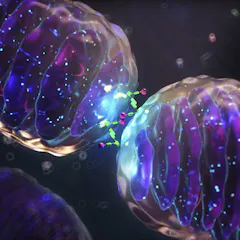
As the powerhouse of the cell, mitochondria lie at the intersection of many essential biochemical pathways. When they go awry, neurodegenerative diseases can result.

Targeting the key players that help your body regulate metabolism could reverse disease progression, including cognitive decline related to Alzheimer’s disease.
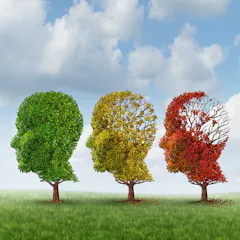
Alzheimer’s is the most common form of dementia. Here’s why knowing about the diversity of dementia matters.
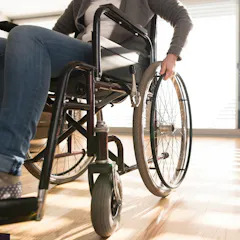
A new study shows that it is possible to reduce the symptoms of amyotrophic lateral sclerosis by reducing the inflammation caused by immune cells in the brain.

No treatments are currently available to cure Parkinson’s disease. Better understanding the genetic foundation of this condition can help researchers find ways to slow or halt its progression.

B.C. has operated a surveillance program for over 20 years to detect chronic wasting disease, a fatal condition with no cure or vaccine. The disease has now been detected in deer in the province.

Studies show college athletes sleeping less than 7 hours per night are almost twice as likely to be injured when compared with athletes sleeping more than 8 hours.
Montréal is home to one of the world’s largest brain banks, the Douglas-Bell Canada Brain Bank, where discoveries about different neurological and psychiatric diseases are made.

Microscopic flakes of polystyrene can enter brain cells and cause harm, a new study in mice has shown.

This centuries old martial art was shown to reduce the severity of symptoms in the long-term.

The sense of smell is directly connected to areas of the brain linked to memory and emotions. That is why some smells bring to light memories and feelings we thought we had forgotten.
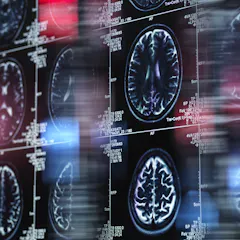
Despite decades of starts and stops, new treatments and key genetic discoveries are giving researchers great hope for slowing or eventually preventing Alzheimer’s disease.

Chronic traumatic encephalopathy is often assumed to be a disease which develops later in life, but a new study clearly shows it can start early in the brains of young athletes.

The surprising parallel between spider silk spinning and fibres toxic to humans could lead to new clues about how to fight neurodegenerative disorders.

This AI tool showed promise for early diagnosis. It also pointed to chemicals that may reduce or increase the risk of Parkinson’s.
Top contributors
-

Associate Professor, School of Biomedicine, Adelaide University
-
Lecturer, School of Psychology, UNSW ; Neuroscience Research Australia
-
Associate Professor of Pharmaceutical Sciences, University of Maryland Eastern Shore
-
Professor of Neurology, Neurobiology, and Cell Biology, Duke University
-
Professor of Neurology and Neurotherapeutics, UT Southwestern Medical Center
-
Graduate Student in Cancer Systems Biology, Rice University
-
PhD Candidate, University of Technology Sydney
-
Research Assistant Professor in Neuroscience, The University of Western Australia
-
Professor of Neuroscience, University of California, Santa Barbara
-
Assistant Professor of Mechanical Engineering, Binghamton University, State University of New York
-
Assistant Professor of Biomedical Sciences, University of North Dakota
-
Senior Lecturer, University of Uyo
-
Associate Research Scientist, Yale University
-
Associate Professor of Neurology, UMass Chan Medical School
-
Assistant Professor of Neurology, Georgetown University