
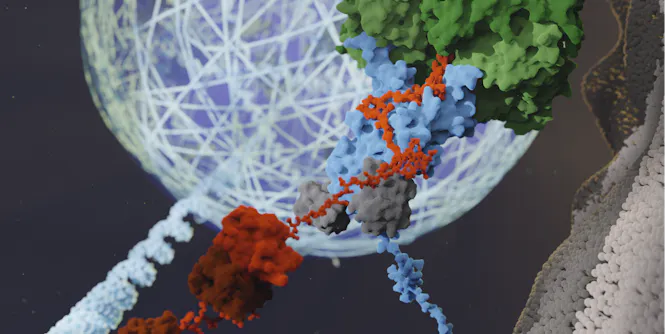
Insight on how a unique protein plays a role in cellular stress responses may provide more clues on how to treat diseases like ALS and Alzheimer’s.
Articles on Neurodegenerative disease
Displaying 61 - 80 of 85 articles

About one in six people who take the most common medication for Parkinson’s disease will develop addictive behaviours. We found whether this happens depends on a person’s unique brain structure.
Not all drug development needs to start from scratch. Sometimes researchers discover that a drug developed for one disease can be used for another. Here a cancer drug may show promise for dementia.
Many pieces leading to Alzheimer’s disease have been identified. To put the pieces together, one scholar argues that the government should launch a Manhattan Project-scale effort to find a cure.
A new type of drug blocks the destruction of neurons in the eye, preventing blindness. The researchers hope that the same therapy can be applied to other common neurodegenerative diseases.

From aggressive patients with Alzheimer’s to frustrated caregivers, dementia is increasingly entwined with violence in private homes and residential facilities.
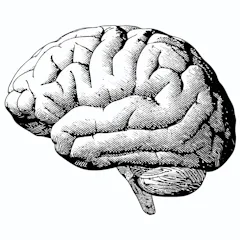
Symptoms for Huntington’s disease typically only start to be experienced in mid-adulthood.

A toxic chemical produced by algae and linked to motor neuron disease has been detected in NSW rivers. Its presence - long suspected but now confirmed - could be linked to a disease hotspot in the Riverina.

2017 marks the 200th anniversary since the 1817 publication of Dr James Parkinson’s seminal work on what he called the “Shaking Palsy”.
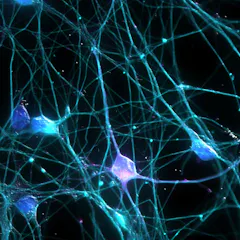
Yoshinori Ohsumi’s research on autophagy – a process that lets cells clear out harmful materials – brought biology and medicine closer to finding treatments for chronic and deadly diseases.

Improvements in education and vascular health are likely partly responsible for a sharp decline in dementia over the past few decades. The trend may continue, if we also address obesity and diabetes.
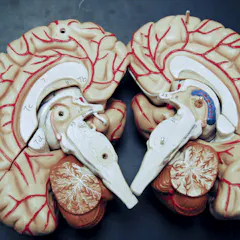
New research has identified a known neurodegenerative disease as being caused by prions. And it has again raised the possibility that these proteins are infectious.

If you have a Facebook account, you are likely to have seen someone pour an ice bucket on themselves in the name of raising awareness for amyotropic lateral sclerosis (ALS). ALS is a disease that affects…
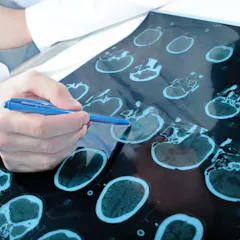
Affiris, a biotech company based in Austria, and the Michael J Fox Foundation, have announced the latest results of a vaccine they have been developing to treat Parkinson’s disease. Following the first…
The drug Levodopa is more effective than newer alternatives at treating newly diagnosed Parkinson’s disease (PD) in the long…
There is a direct correlation between memory-related regions of the brain shrinking with age, and the tendency to develop…
Researchers have identified a molecular pathway mutation that is the likely cause of several untreatable, neurodegenerative…
The human brain is the most complex and extraordinary structure in the known universe. And while there are many awe-inspiring facets of the brain, I will focus here on “neuroplasticity”, a term that has…
A US study has found older adults claiming to have had a life-changing religious experience showed evidence of a shrinking…
A previous study found that individuals with diabetes had double the risk of developing Parkinson’s disease, and that the…
Top contributors
-

Associate Professor, School of Biomedicine, Adelaide University
-
Lecturer, School of Psychology, UNSW ; Neuroscience Research Australia
-
Associate Professor of Pharmaceutical Sciences, University of Maryland Eastern Shore
-
Professor of Neurology, Neurobiology, and Cell Biology, Duke University
-
Professor of Neurology and Neurotherapeutics, UT Southwestern Medical Center
-
Graduate Student in Cancer Systems Biology, Rice University
-
PhD Candidate, University of Technology Sydney
-
Research Assistant Professor in Neuroscience, The University of Western Australia
-
Professor of Neuroscience, University of California, Santa Barbara
-
Assistant Professor of Mechanical Engineering, Binghamton University, State University of New York
-
Assistant Professor of Biomedical Sciences, University of North Dakota
-
Senior Lecturer, University of Uyo
-
Associate Research Scientist, Yale University
-
Associate Professor of Neurology, UMass Chan Medical School
-
Assistant Professor of Neurology, Georgetown University