
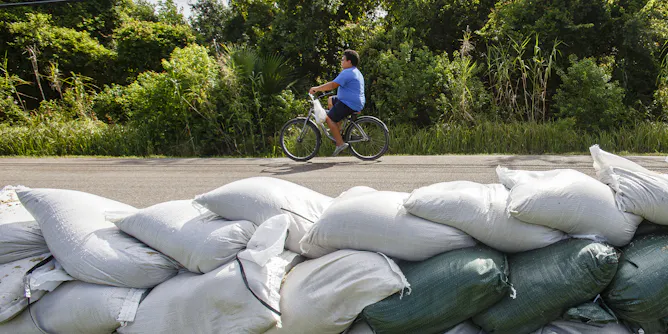
Knowing what makes an effective response to natural disasters will be increasingly important as the climate crisis intensifies.
Articles on Natural disaster mitigation
Displaying 21 - 40 of 45 articles
Australian emergency services are using social media for a number of purposes during disasters. What they are not doing well is analysing social media data in real time to improve disaster management.
What is political will or political commitment to disaster risk reduction? Why is it important to measure political commitment? And how to measure it?
We don’t need to send in the army every time there’s a natural disaster, or create a national fire fighting force. We need to think practically about working together in emergencies.
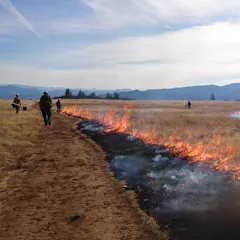
Along with climate change and drought, invasive grasses are promoting wildfires across the US, even in areas that don’t normally burn.
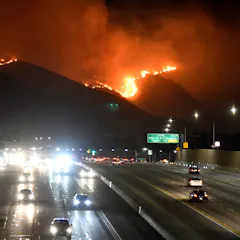
Some Californians want to ban people from living in wildfire-prone areas. Behavioral economics offers a less heavy-handed approach to reducing the costs and risks.
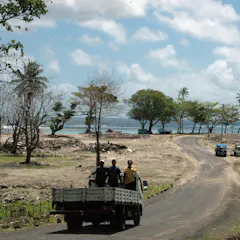
A devastating quake and tsunami in the Pacific Ocean prompted a new kind of post-disaster research. Ten years on, we need these lessons to prepare for a precarious future.

Many return to dangerous evacuation zones fully understanding the risks. New research explains why.
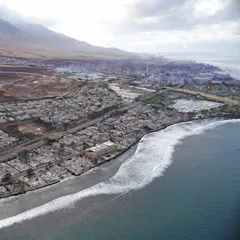
Hotels are helping the Hawaiian island of Maui recover from the catastrophic impact of wildfires, just as they have in Florida following hurricanes.
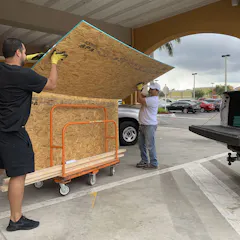
As Hurricane Dorian approaches Florida, we share three articles on predicting hurricanes’ paths and evacuating from harm’s way.
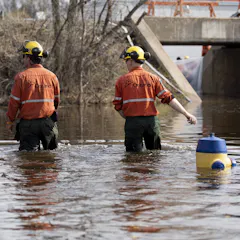
Canadian history and international relations theory gives us perspective on why co-ordinating flood management has proven so difficult in Canada and what can be done about it.
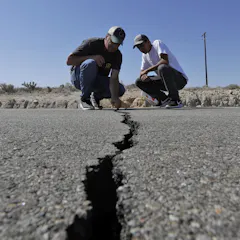
Engineers know how and where to build to minimize earthquake damage. But laws don’t always reflect that wisdom. A new study suggests it’s because of a mismatch between risk perceptions and reality.
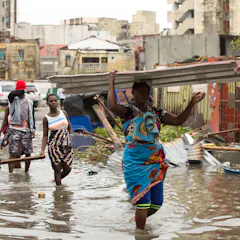
Cyclone Idai hit poor countries the hardest and shows why disaster resilience is a necessity.
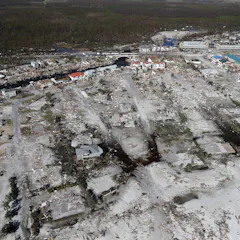
Government agencies spend millions of dollars yearly to buy and demolish homes sited in floodplains. But the program is slow, cumbersome and doesn’t always help those who need it most.
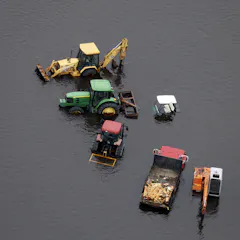
Donald Trump claims his administration has carried out an “all-out effort” in preparing for the effects of climate change. Nothing could be further from the truth.
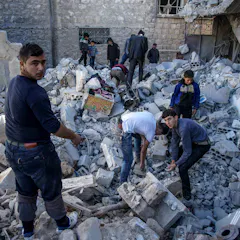
Warning Syrians of approaching airstrikes via social media is helping save lives.
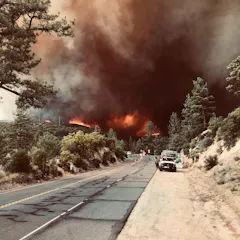
Wildfires in the US have drawn thousands of firefighters. Meanwhile, Indonesia is struggling to rebuild in the wake of earthquakes. What’s the difference? Poverty and access to resources.
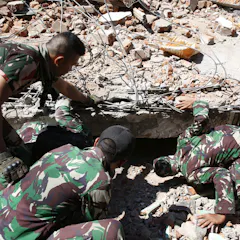
As Indonesia reels from two deadly earthquakes, it’s time to rebuild smarter and stronger.
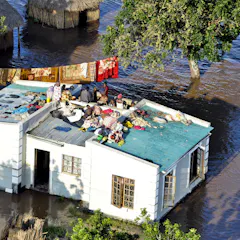
While disaster insurance would go a long way in averting losses, demand for cover is still lower than expected.

While the Montecito, California mudslides took 20 lives, landslides kill far more people in developing countries. Tighter construction standards and early warning systems could help reduce their toll.
Top contributors
-

Honorary Associate Professor, Australian National University
-
PhD Candidate in Political Science and International Relations, Queen's University, Ontario
-
Senior Scientist in Disaster and Climate Risk at Earth Sciences NZ & Senior Research Fellow (adjunct), Humanitarian Emergency and Disaster Management, Charles Darwin University
-
Professor of Economics, Head of the Department of Economics, and Director of the Centre for Disaster Resilience and Recovery, Deakin University
-
Professor of Civil and Environmental Engineering, Adelaide University
-
Associate Professor of Behavioural Economics , Newcastle Business School, University of Newcastle
-
Eugene M. Isenberg Chair in Integrative Studies, UMass Amherst
-
Adjunct Associate Professor, Adelaide University
-
Reader (Global Challenges and Emancipatory Politics), The University of the West Indies: St. Augustine Campus; Independent Social Research Foundation
-
Teaching Assistant Professor, University of Pittsburg and Visiting Associate Professor, The University of Osaka, University of Pittsburgh
-
Assistant Lecturer, Geography Department, The University of the West Indies: St. Augustine Campus
-
Deputy Head of School, School of Architecture and Built Environment, University of Newcastle
-
Assistant Professor, Disaster Research Center, University of Delaware
-
Associate Professor, School of Architecture and Built Environment, University of Newcastle
-
Professor of Earth Sciences and Environmental Studies, USC Dornsife College of Letters, Arts and Sciences