
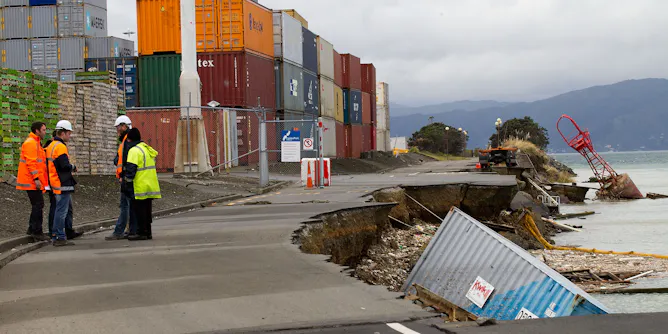
New research reveals a magnitude 8.5 earthquake is likely to trigger a cascade of problems for NZ’s freight networks. But how many are avoidable?
Articles on Natural disaster mitigation
Displaying 1 - 20 of 45 articles
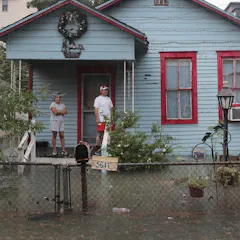
Low-income neighborhoods have the hardest time recovering from disasters without help. FEMA used to require cities to pay attention to them, but that’s changing.
The US experiences violent earthquakes, but the damage and death toll is much lower than in many countries because of the work of federal seismologists and engineers.
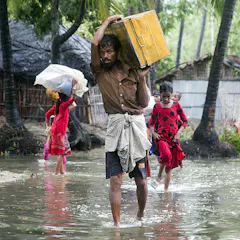
We rarely see good news headlines when a cyclone, earthquake or wildfire does not turn disastrous.
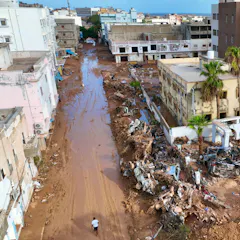
There are signs that the two rival governments are trying to work together in the disaster relief effort.

As extreme weather events increase in frequency and severity, many Canadians are still unaware of how to prepare for a natural disaster.
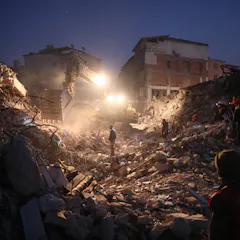
Turkey has repeatedly attempted to improve its earthquake preparedness. So what went wrong?
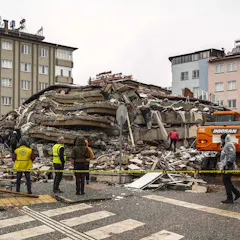
When Monday’s earthquake struck, many poorly constructed buildings suffered a ‘pancake mode’ collapse.
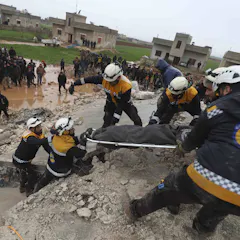
Using space imagery can help guide relief efforts to critical areas during a natural disaster.
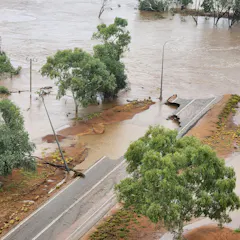
The Kimberley region of Western Australia is currently being devastated by flooding. Remote communities need more support with prevention and recovery plans.
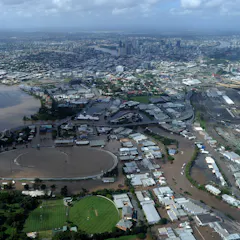
For the first time we’ve calculated what effect a natural disaster has on income tax revenue, finding a 5% decline through lower incomes and higher tax deduction claims.
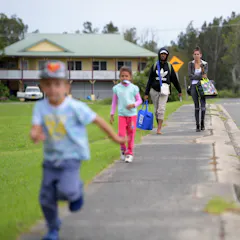
Australia’s east coast flooding is forcing people to confront challenges such as evacuations and loss of property. However, Aboriginal people are being left to find their own way through this crisis.
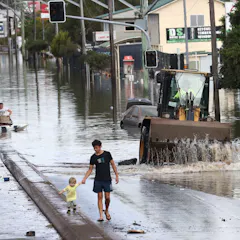
Natural disasters are driving up insurance costs. The Australian government’s plan to drive them down won’t help much.

Although insurance is important in natural disaster recovery, government and property owners also play an important role in protecting Canadians against the impact of catastrophic weather events.

Failures to respond adequately to the floods that hit Germany and Luxembourg in July 2021 must teach us how to prepare for future climate disasters.
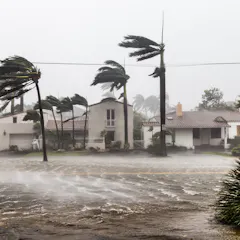
As weather becomes more extreme, the value of coastal wetlands is increasing.
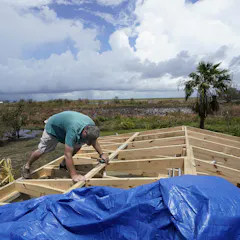
Federal weather scientists are pushing to make the US more ‘weather-ready,’ which could mean prepping for fires, flooding or storms depending on where you live. The common factor: thinking ahead.
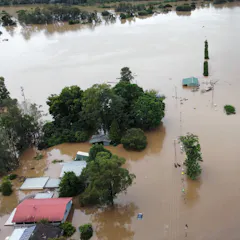
To understand the different economic impacts of natural disasters, we looked at 47 major floods and 36 major bushfires in Australia.

Australia can take great strides forward in climate policy and action. A reactionary, incremental approach to adaptation will fall short. Now is the time to think big.
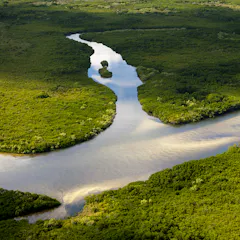
Wetlands bear the brunt of much storm damage to the coast. But over the past 300 years, 85% of the world’s wetland area has been destroyed.
Top contributors
-

Honorary Associate Professor, Australian National University
-
PhD Candidate in Political Science and International Relations, Queen's University, Ontario
-
Senior Scientist in Disaster and Climate Risk at Earth Sciences NZ & Senior Research Fellow (adjunct), Humanitarian Emergency and Disaster Management, Charles Darwin University
-
Professor of Economics, Head of the Department of Economics, and Director of the Centre for Disaster Resilience and Recovery, Deakin University
-
Professor of Civil and Environmental Engineering, Adelaide University
-
Associate Professor of Behavioural Economics , Newcastle Business School, University of Newcastle
-
Eugene M. Isenberg Chair in Integrative Studies, UMass Amherst
-
Adjunct Associate Professor, Adelaide University
-
Reader (Global Challenges and Emancipatory Politics), The University of the West Indies: St. Augustine Campus; Independent Social Research Foundation
-
Teaching Assistant Professor, University of Pittsburg and Visiting Associate Professor, The University of Osaka, University of Pittsburgh
-
Assistant Lecturer, Geography Department, The University of the West Indies: St. Augustine Campus
-
Deputy Head of School, School of Architecture and Built Environment, University of Newcastle
-
Assistant Professor, Disaster Research Center, University of Delaware
-
Associate Professor, School of Architecture and Built Environment, University of Newcastle
-
Professor of Earth Sciences and Environmental Studies, USC Dornsife College of Letters, Arts and Sciences