
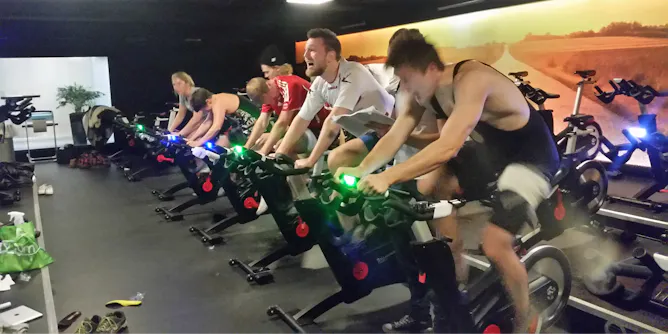
If you see professional athletes with velcro bands around their legs, this is why.
Articles on Muscles
Displaying 81 - 100 of 112 articles

It probably sounds bad or uncomfortable to you. But stiffness is part of what gives elite athletes the spring in their muscles.
An ultra-marathon runner and exercise physiologist describes what it’s like to take part in an ultra-endurance event, and the consequences it had on his body.

As we get older, there are many reasons our muscles might feel stiff. The most important thing is to keep moving.

Gyms have gone mad for these bits of neoprene. Yet researchers are still scrambling to catch up.
Children’s muscles recover rapidly from high-intensity exercise, and kids can produce repeated exercise efforts when most of us adults continue to feel exhausted.
It’s not just elite sportspeople who get muscle cramps. If you’ve ever experienced one, you’ll know how painful they are. But why do we get them, and is there anything to be done?

The rise of ‘fitspiration’ seems to promote a body that is both impossibly thin and muscular. A new study explores whether this has become a new benchmark for women.
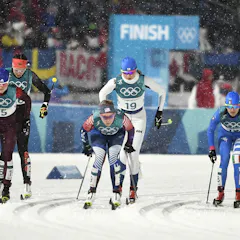
Here’s how athletes at the Winter Olympics are able to perform in extreme cold.
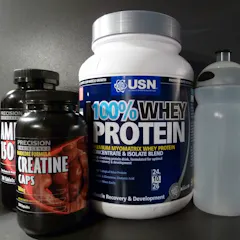
Here are some of the more popular sports supplements on the market today, separated into categories based on how effective and safe research shows they are.

Many people complain their aches and pains get worse in the cold, but there are a number of ways to reduce that discomfort in the winter months.

These birds spend long periods, often asleep, standing on one leg. Is it passive biomechanics or active nervous system control of their muscles that allows them to do easily what’s impossible for us?
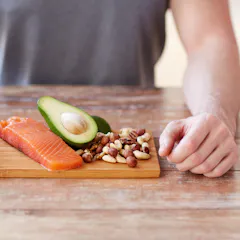
New research on whether animal- or plant-based protein sources are better have been severely misrepresented.
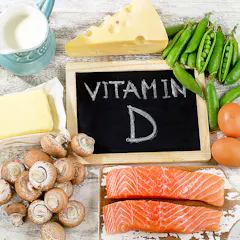
New research has linked vitamin D to increased leg strength including power, velocity and jump height.

The advice on the sides of protein tubs may have to change.
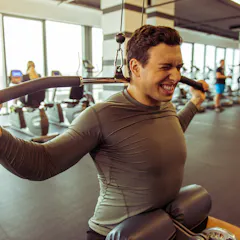
Working out is always good for you – until it’s not.
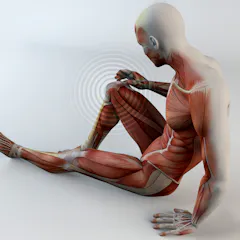
New breakthrough in how to test proteins linked to touch and movement could have major implications for strokes, diabetes, spinal injuries and much more.
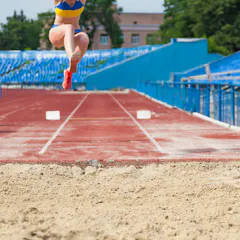
Studying how athletes’ bones contort during exercise is helping scientists understand which exercise is best for maintaining healthy bones as we age.

Growing pains are the most common childhood musculoskeletal condition resulting in frequent visits to healthcare professionals.

New research shows bodybuilders’ muscle quality is lower than that of people who don’t train at all - but size is still a pretty good guide to strength.
Top contributors
-

Professor of Biomechanics, Edith Cowan University
-
Ken Nosaka is a Friend of The Conversation.
Professor of Exercise and Sports Science, Edith Cowan University
-
Senior Lecturer in Exercise Physiology Across the Lifespan, Deakin University
-
Senior Lecturer in Sport, Health & Exercise Science, University of Stirling
-
Lecturer in Exercise Science, Adelaide University
-
Senior Scientist Team Lead Nutrition Exercise Physiology and Sarcopenia Team Jean Mayer USDA Human Nutrition Research Center on Aging, Professor of Medicine, Tufts University
-
Associate Professor of Physical Therapy, University of Dayton
-
Assistant Professor in Anatomy and Musculoskeletal Science, University of Bradford
-
Senior Professor, Australian Institute for Innovative Materials, University of Wollongong, University of Wollongong
-
Professor in Neuromuscular Physiology and Head of Sport Sciences, Nottingham Trent University
-
Head of Sport Science, University of Aberdeen
-
Professor of Engineering Practice, Purdue University
-
Professor of Exercise and Ageing, Institute for Physical Activity and Nutrition, Deakin University, Deakin University
-
Professor of Nutritional Epidemiology, University of East Anglia
-
Professor of Sport, Health and Exercise Sciences, Durham University