
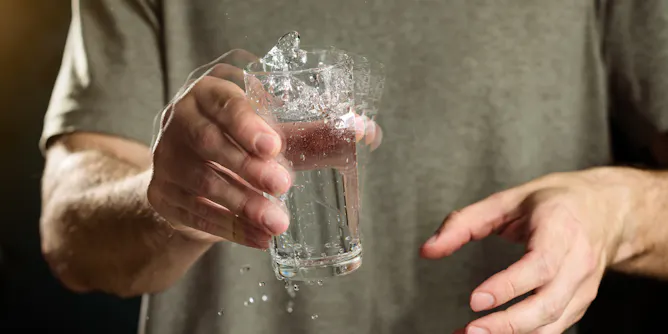
This common condition is characterised by involuntary muscle spasms.
Articles on Muscles
Displaying 21 - 40 of 112 articles

Despite good hydration and nutrition, many athletes across sports still suffer from unexpected cramps. The courts and fields they’re playing on may be the missing link.

The incurable autoimmune condition affects an estimated 3-12 in every 100,000 people.
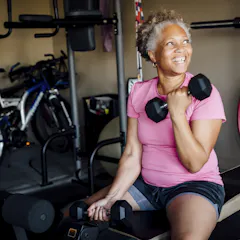
Bone density is strongly linked to your risk of a fracture.
A biokineticist offers four tips to help your heart.
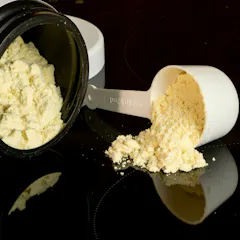
Creatine’s growth in popularity is largely due to young men’s desire to increase muscle size and muscle strength.

The answer lies in the elegant biomechanics of how our bodies interact with this wonderfully simple machine.

Proteins and micronutrients are key to reducing the risks of exercising later in life.

A simple test of your ‘grip strength’ can give you insights into your risk of type 2 diabetes, depression and even provide a picture of your longevity.

Our study found that older adults are no more likely to experience muscle soreness after a workout than young adults are.

The neck’s vitality and vulnerability are rooted in a quirky evolutionary history.
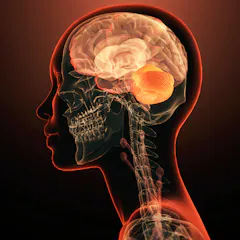
Conditions such as long COVID-19, Alzheimer’s disease and meningitis can damage the line of communication between your brain and your muscles.

Do you really need to stretch before and after exercise? The answer isn’t one-size-fits-all.

Toning down the intensity of your workouts – and even taking a week off from working out entirely – is important for allowing your muscles to recover.

Calisthenics is not only a powerful way of building strength, it can be done pretty well anywhere.
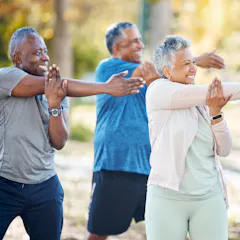
Plant-based protein sources can be as effective as animal-based protein sources to build muscle in older adults.
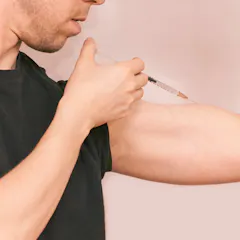
You can get big muscles in minutes without doing any exercise. But the benefits are purely aesthetic and the risks enormous.
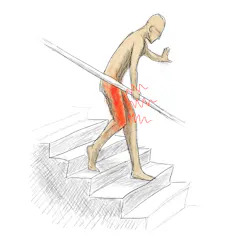
So you’ve taken up running again… until the inevitable aches kick in. What causes muscle pain? And is there anything you can do about it?
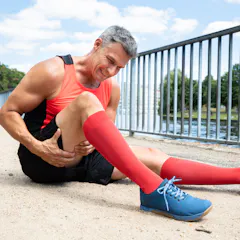
It isn’t just powerlifters who are at risk of a muscle tear – they can happen to anyone.
A new study shows that it is possible to reduce the symptoms of amyotrophic lateral sclerosis by reducing the inflammation caused by immune cells in the brain.
Top contributors
-

Professor of Biomechanics, Edith Cowan University
-
Ken Nosaka is a Friend of The Conversation.
Professor of Exercise and Sports Science, Edith Cowan University
-
Senior Lecturer in Exercise Physiology Across the Lifespan, Deakin University
-
Senior Lecturer in Sport, Health & Exercise Science, University of Stirling
-
Lecturer in Exercise Science, Adelaide University
-
Senior Scientist Team Lead Nutrition Exercise Physiology and Sarcopenia Team Jean Mayer USDA Human Nutrition Research Center on Aging, Professor of Medicine, Tufts University
-
Associate Professor of Physical Therapy, University of Dayton
-
Assistant Professor in Anatomy and Musculoskeletal Science, University of Bradford
-
Senior Professor, Australian Institute for Innovative Materials, University of Wollongong, University of Wollongong
-
Professor in Neuromuscular Physiology and Head of Sport Sciences, Nottingham Trent University
-
Head of Sport Science, University of Aberdeen
-
Professor of Engineering Practice, Purdue University
-
Professor of Exercise and Ageing, Institute for Physical Activity and Nutrition, Deakin University, Deakin University
-
Professor of Nutritional Epidemiology, University of East Anglia
-
Professor of Sport, Health and Exercise Sciences, Durham University