
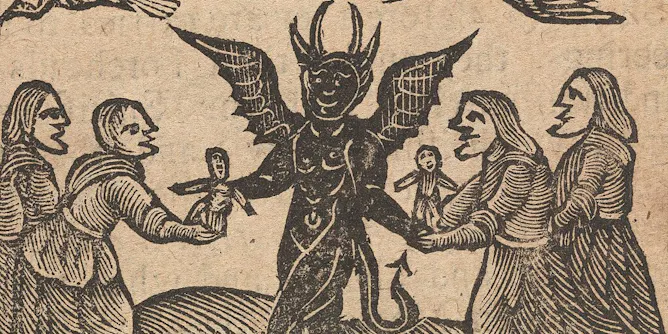
Who bears responsibility when false information leads to real harm?
Articles on Misinformation
Displaying 81 - 100 of 564 articles
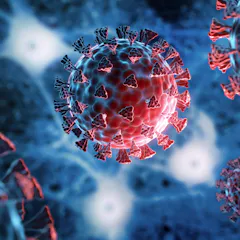
The COVID pandemic likely began when the virus jumped from animals to humans, and didn’t start in a lab. But false narratives continue to circulate.

By encouraging people to imagine beyond their own experience, reading poetry can help them see things from a different perspective.

Teenagers may think that misinformation is limited to certain kinds of content.
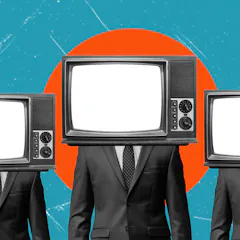
A new book explores how media outlets are controlled by powerful forces, from governments to corporations, in Africa and Latin America.

Domestic political stories were more likely to have context added, rather than claims challenged.

Mass psychogenic illness has happened throughout history, but social media makes it more likely to spread.
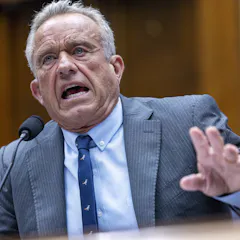
The situation in the US is deeply concerning – for vaccine uptake and for the impacts globally.
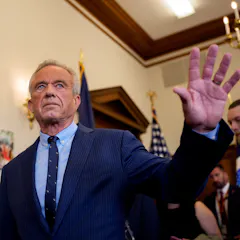
The health secretary has made many inaccurate statements about vaccines. But the science is clear that vaccines have dramatically reduced childhood illness, disability and death.

The latest Digital News Report shows Australians are still avoiding traditional media, but are highly sceptical of social media players.
The Trump administration canceled hundreds of grants it said amounted to federal censorship, implying that those conducting misinformation research are enemies of the First Amendment. This isn’t true.

From fires to carbon emissions and electromagnetic fields, misinformation about electric vehicles is rife – and widely believed.
Vaccine hesitancy isn’t a moral failure – it’s a property of a system in which people must balance personal and collective interests.

Alternative cancer clinics spent over an US$15 million on Google ad spaces, generating millions of website visits from people searching for cancer information.
Autocrats today are polished, appear mainstream and use the media, not overt repression or violence, to gain public support and consolidate power. They govern through a ‘spin dictatorship.’
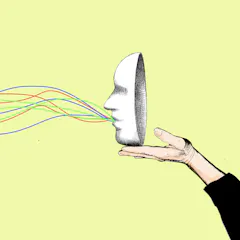
Disinformation campaigns are using AI to tell false but compelling stories. AI tools are also helping counter the campaigns by detecting incongruities in usernames, cultural references and timelines.

Cheap, low-quality AI-generated content is still extremely attention-grabbing – and thus lucrative for both creators and platforms.

On the internet, nobody knows you’re a chatbot.

If the health content you see on social media sounds too good to be true, it’s very likely false – but there are ways to check it out before sharing.
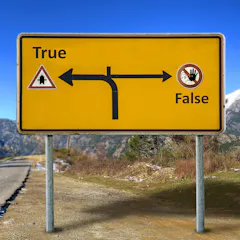
We’re facing a crisis in public trust – in institutions and the information they feed us.
Top contributors
-

Professor of Social Psychology in Society, University of Cambridge
-
Professor and Chair, Department of Journalism, Stellenbosch University
-
Professor of Information Systems, Michigan State University
-
Associate Research Professor of Social Psychology, Louisiana State University
-
Associate Professor of Interdisciplinary Studies, Royal Roads University
-
Chair of Cognitive Psychology, University of Bristol
-
Lecturer in Psychology, University of Cambridge
-
Lecturer in Journalism and Global Communication, University of Sheffield; Independent Social Research Foundation
-
Senior Research Fellow, Melbourne School of Psychological Sciences, The University of Melbourne
-
Director, News & Media Research Centre, University of Canberra
-
Associate Professor, Epidemiology, Deakin University
-
Professor of Informatics and Computer Science, Indiana University
-
Professor of AI and Behavioral Data Science, University of Technology Sydney
-
Professor in Digital Media, Western Sydney University
-
Professor of Human Centered Design & Engineering, University of Washington