
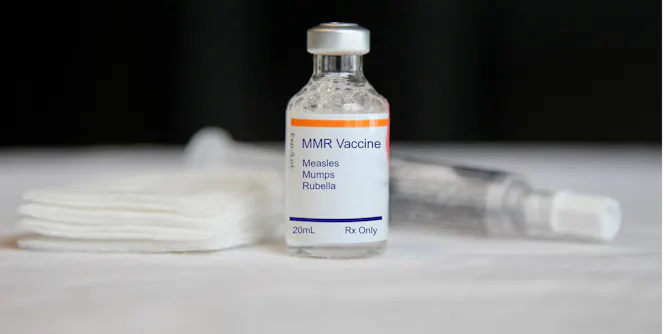
Donald Trump has renewed fears that vaccines might cause autism.
Articles on Misinformation
Displaying 141 - 160 of 564 articles

The company says the change aims to promote free expression and reduce censorship.
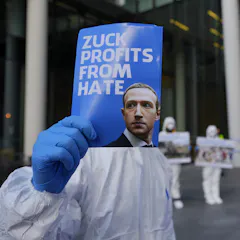
In the name of “freedom of expression”, Mark Zuckerberg has announced measures that will turn his digital platforms into even more fertile ground for contaminating public debate with disinformation and hate content

Numerous studies have shown that fact checking has helped reduce the spread of misinformation and disinformation online.
Studies have repeatedly shown false claims spread on social media and influence public perceptions, to the detriment of public health. But strategies to combat disinformation remain elusive.

More than 70% of Australians aged 65 and older use social media to some degree. Improving digital literacy and online safety will help them benefit from it even more.
There is still public hunger for reliable and trustworthy information. This should give news media outlets hope – and inspire them to invest in new ways to reach audiences.
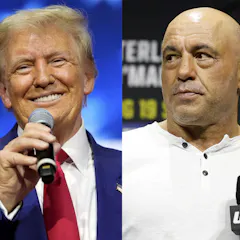
Improv theater is known for improvisation, audience participation and riffing on memes and stories circulating on social and traditional media – all hallmarks of right-wing media.

How would you tell if information in a post is true or false? Our study tested the ability of 2,115 adult Australians to verify information online.
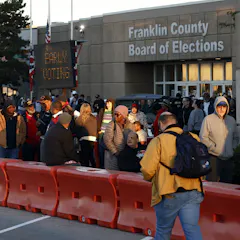
Like it or not, AI is now part and parcel of elections, from helping with mundane campaign functions to enabling politicians to speak to constituents in multiple languages at once.
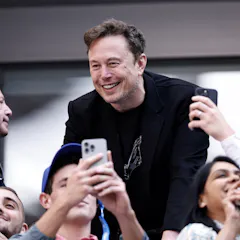
Elon Musk uses X to amplify Trump’s political messages.

Misinformation suppression laws can actually make the problem of erroneous beliefs worse.
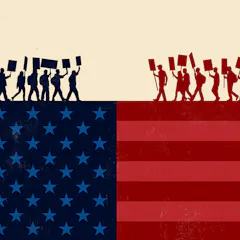
People acknowledging and inspecting their own political biases is one way that they can begin to reduce polarization.
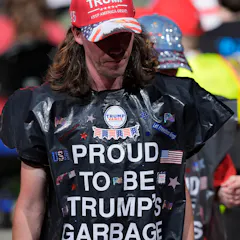
It’s claimed that more information can solve our crises, from climate change to Gaza. But the world today shows how this vision of reason has tipped over into unreason, anger, and barbarism.
As well as becoming an ‘everything app’ and a place where lies continue to flourish, X is likely to see an increase what’s known as ‘cyberbalkanisation’.
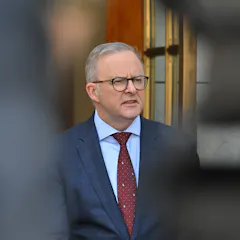
Despite what some critics argue, the bill does not give the government power to censor or prosecute people for what they say. But it does have some potential problems.
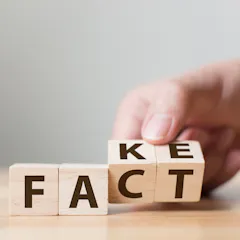
AI are using data from neuroscience to try to get better at spotting fake news.

We monitored social media users’ reactions to the fake election bomb threats. The conspiracies emerging paint a bleak picture for democracy.

Musk’s tweets are worth paying very close attention to in order to understand the inner workings of the campaign to return Trump to the White House.

Going viral appears to be more than just a catchphrase when it comes to misinformation.
Top contributors
-

Professor of Social Psychology in Society, University of Cambridge
-
Professor and Chair, Department of Journalism, Stellenbosch University
-
Professor of Information Systems, Michigan State University
-
Associate Research Professor of Social Psychology, Louisiana State University
-
Associate Professor of Interdisciplinary Studies, Royal Roads University
-
Chair of Cognitive Psychology, University of Bristol
-
Lecturer in Psychology, University of Cambridge
-
Lecturer in Journalism and Global Communication, University of Sheffield; Independent Social Research Foundation
-
Senior Research Fellow, Melbourne School of Psychological Sciences, The University of Melbourne
-
Director, News & Media Research Centre, University of Canberra
-
Associate Professor, Epidemiology, Deakin University
-
Professor of Informatics and Computer Science, Indiana University
-
Professor of AI and Behavioral Data Science, University of Technology Sydney
-
Professor in Digital Media, Western Sydney University
-
Professor of Human Centered Design & Engineering, University of Washington