

If you’re looking for #womenshealth on Instagram, a new study shows you’d better be prepared for lots of adverts dressed up as health advice.
Articles on Hormones
Displaying 1 - 20 of 158 articles
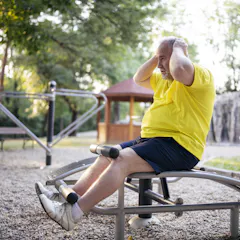
Many people report exercise makes them incredibly hungry. Here’s what might be going on.

Defense Secretary Pete Hegseth is requiring service members to screen for low testosterone levels. Ironically, the military lifestyle itself is more likely to lower T levels.
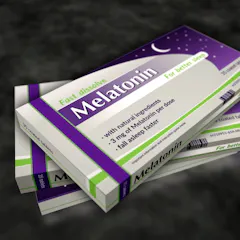
Melatonin is known for helping us sleep, but a new study suggests it may also ease chronic muscle and joint pain.

Your fingers’ lengths are just one feature of many that let your hands grasp, press, pull and otherwise interact with the world.

Unregulated peptides sold for muscle gain and anti-ageing carry serious risks, and the evidence suggests women face the greater danger.

Teenagers often love chocolate bars and hot chips. A paediatric nutritionist explains how we can help them make healthier choices.

Muscle is an endocrine organ. When it contracts during exercise, it communicates with your entire body.
A high-pressure work environment can exacerbate headaches, but taking steps to manage stress throughout the day can help.

Each Australian state and territory has different rules around when, how and where you can access contraception. Two researchers unpack the details.

Pregnancy reshapes the brain more profoundly than scientists ever imagined – and a landmark new study is finally mapping exactly how.

Cortisol spikes are not something you need to fear. In fact, cortisol rhythms – which involve some ups and some downs – are essential to staying well.
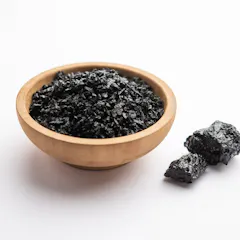
Shilajit has been used for thousands of years in Ayurvedic medicine, but are modern proponents right to claim that it raises testosterone levels?

The answer lies in our sex hormones.

Your 40s can feel more exhausting than your 60s. The reason isn’t inevitable decline, but a clash between biology and peak life demand.
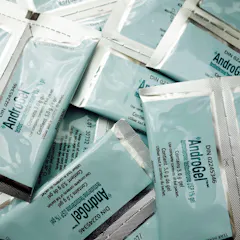
For more than 80 years, men have been told that testosterone fuels prostate cancer. But a more nuanced picture has emerged over the past two decades.

Testosterone is widely promoted as an essential part of menopausal hormone therapy to treat low mood, brain fog and low energy. But new research challenges this.

Studies show women are twice as likely as men to have irritable bowel syndrome.

A stark difference emerges at puberty: one in three women develop migraines, compared to one in 15 men.

Chemical castration may prevent future offences. But at what cost?
Top contributors
-

Professor of Psychiatry, Monash University
-
Senior Lecturer in Biochemistry, Sheffield Hallam University
-
Associate Professor of Medical Sciences, University of Wollongong
-
Associate Professor and Clinical Neuropsychologist, Monash University
-
Professor of Anatomy, Lancaster University
-
Professor of Women’s Health Research, Department of Obstetrics and Gynaecology, & Director of Research, Royal Women's Hospital, The University of Melbourne
-
Research Fellow in Women's Mental Health, Monash University
-
Clinical Trials Director, Department of Endocrinology, RPA Hospital, University of Sydney
-
Associate professor in Mental Health and Behavioural Science, University of Wollongong
-
Associate Professor in Contraception, Reproductive and Sexual Health, Anglia Ruskin University
-
Emeritus Director, Hudson Institute
-
Gynaecology Unit Head the Royal Women’s Hospital and Clinical Associate Professor in the Department of Obstetrics and Gynaecology, The University of Melbourne
-
Senior Lecturer, School of Psychology and Neuroscience, University of Bristol
-
Chair of Women's Health, Monash University
-
NHMRC Emerging Leader Research Fellow in Reproductive Health, School of Public Health, University of Sydney