
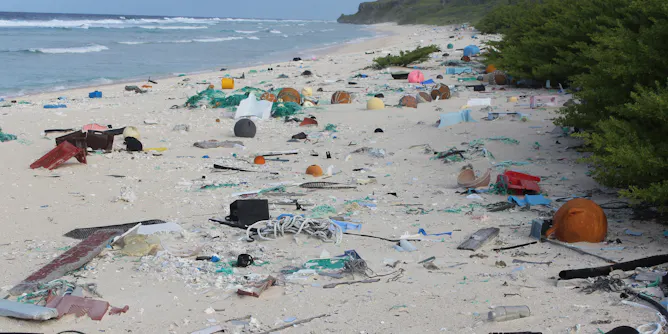
Plastics pose a major threat to seabirds and other animals, and most don’t ever break down - they just break up. Every piece of petrochemical-derived plastic ever made still exists on the planet.
Articles on Marine pollution
Displaying 41 - 52 of 52 articles
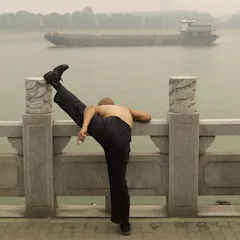
The merchant navy – some 20,000 ships – carries the vast majority of trade goods around the world. Unfortunately, they also spew toxic pollutants that harm people and the environment.
A new documentary highlights the plight of marine animals living among the estimated 5 trillion pieces of plastic rubbish generated by humans.
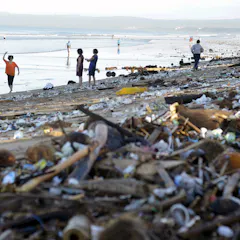
Marine plastic pollution is a global problem. Bali’s beaches present prime examples and an opportunity to study the socio-economic effects this has on coastal communities.
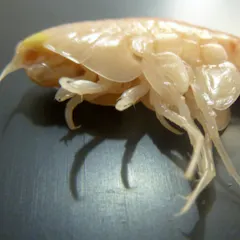
But should we care if the extreme marine frontier is not clean?

Waste plastic affects marine life significantly but better education and recyclable plastics could go a long way in resolving this issue.
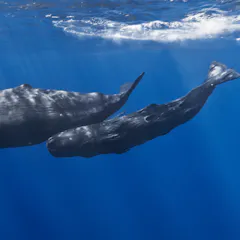
We tend to think of the oceans as quiet, when in fact they’re anything but. Noise is the “forgotten pollutant”, but the good news is that unlike many other pollutants it can be switched off if we try.
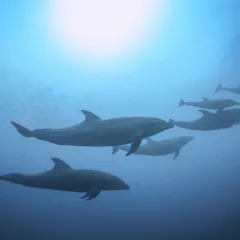
Understanding this will boost conservation efforts.
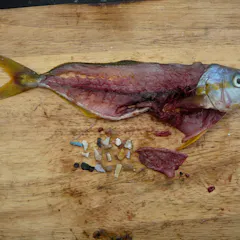
Dave West from the environmental group Boomerang Alliance told Fairfax that if you’ve got an average seafood diet in Australia, you’re probably ingesting about 11,000 plastic pieces a year. Is that right?
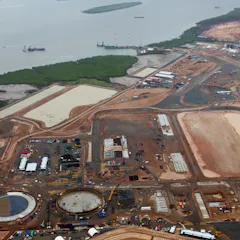
The coast alongside the Great Barrier Reef is home to ports, farms, holiday resorts, and more than a million people. It all puts pressure on the Reef, and it’s time for some firms plans to manage it.
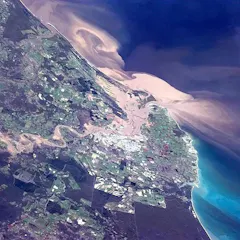
Successive plans to curb the sediments, nutrients and pesticides flowing into the waters around the Great Barrier Reef have fallen short, leaving the corals that call the reef home highly vulnerable.
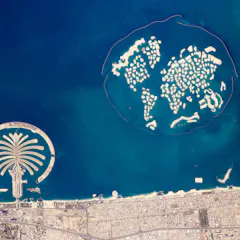
Urban sprawl has spread to the sea, as more and more man-made structures are being built along the world’s coastlines. Just as we do on land, we need to think about how to build sustainably at sea.
Top contributors
-

Professorial Fellow, ARC Centre of Excellence for Coral Reef Studies, James Cook University
-
Lecturer in Biological Sciences, University of Wollongong
-
Associate professor, James Cook University
-
Professor in Law, University of Canterbury
-
Senior Lecturer in Ecology and Biogeography, Node & Stream Leader for ARC Centre of Excellence for Indigenous and Environmental Histories and Futures, University of Technology Sydney; Australian Museum
-
Senior Principal Research Scientist, Environment, CSIRO
-
Senior Principal Research Scientist, CSIRO
-
Assistant Professor of Ecology and Evolutionary Biology, University of Toronto
-
Lecturer in Ornithology, Charles Sturt University
-
Senior Lecturer, Ecotoxicology and Conservation Unit, Department of Zoology, Faculty of Science, University of Lagos
-
Professor of Marine Science, University of Auckland, Waipapa Taumata Rau
-
Professor of Marine Ecology, Te Kunenga ki Pūrehuroa – Massey University
-
Honorary Lecturer, University of Exeter
-
Phd Candidate, Evolution and Ecology Research Centre, UNSW
-
Founding Professor of the Minderoo-UWA Deep-Sea Research centre, The University of Western Australia