
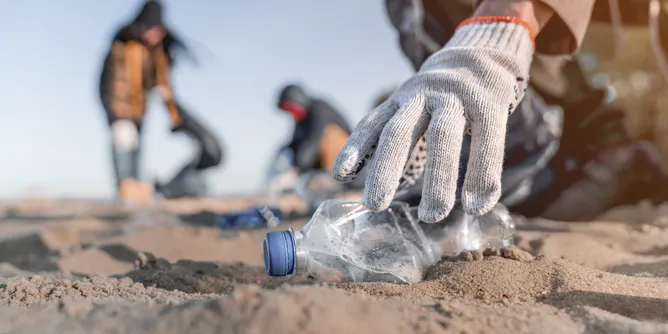
The plastic industry uses powerful tactics to convince us it’s not that bad, but in reality many of their green solutions aren’t working.
Articles on Marine pollution
Displaying 21 - 40 of 52 articles
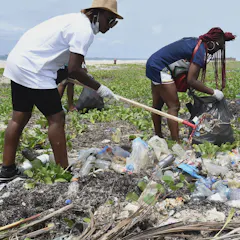
Nigeria generates 2.5 million tonnes of plastic waste yearly. Research and public enlightenment can help address the problem.

When humans eat fish, mussels and other foods containing antibiotics, the residual antibiotics may cause bacterial pathogens to become resistant.
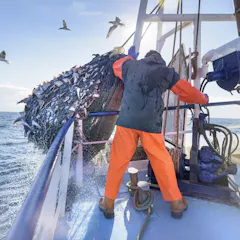
Technology and regulation have solved some issues with bycatch. To reduce damage to marine life further, we can harness the skills of our best fishers.

Clean-up operations after a spill can miss large quantities of the oil, with severe risks for marine habitats, fish and birds.

New research points to ‘heavy metals’ having unseen effects on a much larger scale than previously thought.
This year’s national conference of the Australian Marine Science Association is a plastic-free zone, as marine scientists aim to reduce the environmental burden of throwaway plastic.
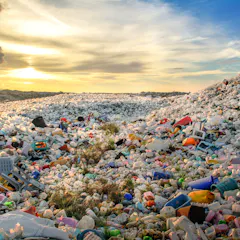
Without action, the amount of plastic waste produced globally could reach as much as 265 million tonnes per year by 2060.
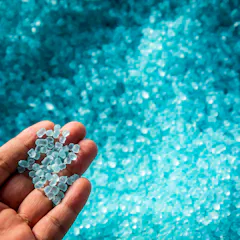
Nurdles are a raw feedstock used to make most of the plastic products we use everyday, but they’re flooding the ocean as “mermaid tears”.
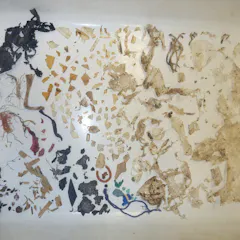
Autopsies of 1,000 turtles washed up on Australian beaches paint a grim picture of the impact of plastic debris. Even a single piece can be deadly, and on average 14 pieces equals a 50% fatality rate.
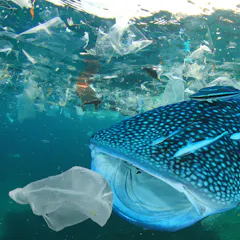
If we are truly invested in addressing the issue of marine plastic and offsetting the potential harms, we have to understand which fish eat plastic and which ones don’t.

In the wake of a norovirus outbreak traced to raw oysters from British Columbia, our expert explains how to eat this culinary delicacy safely.
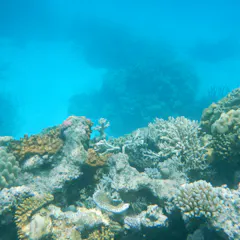
The federal government’s new $500 million funding package for the Great Barrier Reef seems predominantly focused on the tactics that are already being tried, without much success.
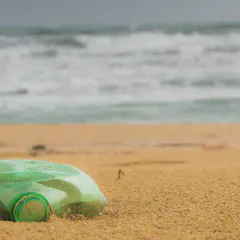
Plastics and microplastics in the marine environment are one of the great cause célèbre of our era. Here’s what we know and don’t know.
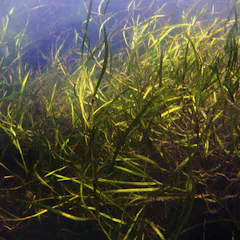
An ambitious plan to cut the flow of nutrients into the Chesapeake Bay has produced historic regrowth of underwater seagrasses. These results offer hope for other polluted water bodies.
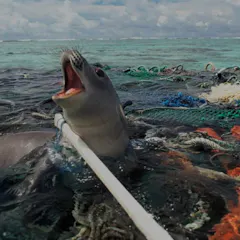
Millions of tonnes of plastic garbage winds up in our oceans each year. Voluntary pledges haven’t worked. It’s time for Canada to advocate for an international plastics treaty.
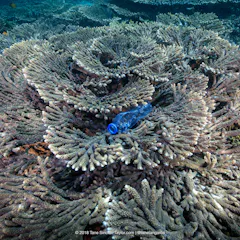
Coral reefs in the Asia-Pacific have been deluged with an estimated 11.1 billion pieces of plastic waste, increasing the risk of coral disease more than 20-fold.
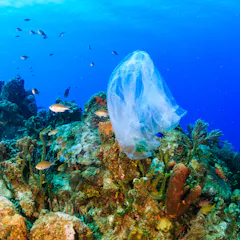
Tonnes of plastic end up in the ocean each year, but a switch away from petroleum-based products to bio-derived and degradable composites could lessen marine pollution.
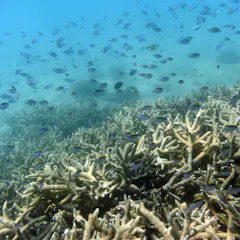
The updated plan for improving water quality on the Great Barrier Reef still doesn’t address the need to curb intensively farmed crops such as sugar cane, and to enforce existing environmental laws.
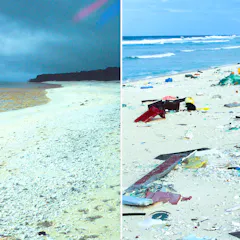
After making worldwide headlines with the story of the Pacific “garbage island”, researchers were sent a photo of the same beach, white sand free of litter, as recently as 1992.
Top contributors
-

Professorial Fellow, ARC Centre of Excellence for Coral Reef Studies, James Cook University
-
Lecturer in Biological Sciences, University of Wollongong
-
Associate professor, James Cook University
-
Professor in Law, University of Canterbury
-
Senior Lecturer in Ecology and Biogeography, Node & Stream Leader for ARC Centre of Excellence for Indigenous and Environmental Histories and Futures, University of Technology Sydney; Australian Museum
-
Senior Principal Research Scientist, Environment, CSIRO
-
Senior Principal Research Scientist, CSIRO
-
Assistant Professor of Ecology and Evolutionary Biology, University of Toronto
-
Lecturer in Ornithology, Charles Sturt University
-
Senior Lecturer, Ecotoxicology and Conservation Unit, Department of Zoology, Faculty of Science, University of Lagos
-
Professor of Marine Science, University of Auckland, Waipapa Taumata Rau
-
Professor of Marine Ecology, Te Kunenga ki Pūrehuroa – Massey University
-
Honorary Lecturer, University of Exeter
-
Phd Candidate, Evolution and Ecology Research Centre, UNSW
-
Founding Professor of the Minderoo-UWA Deep-Sea Research centre, The University of Western Australia