
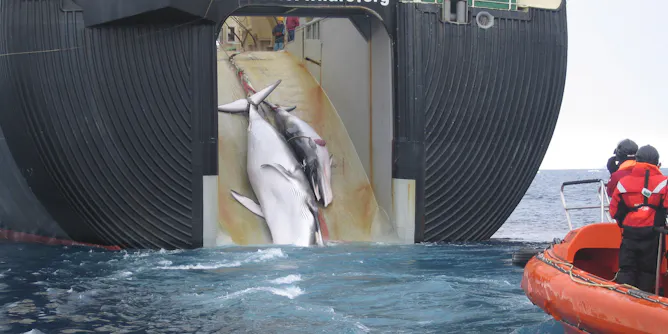
Japan’s fleet is on its way to the Southern Ocean for more “scientific” whaling. But a new resolution pointing out the importance of whale poo could help remove Japan’s rationale for lethal research.
Articles on Marine ecosystems
Displaying 81 - 100 of 178 articles
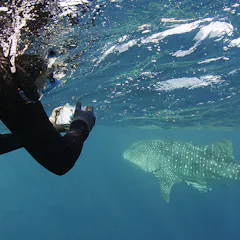
How you tell one whale shark from another? Spots and stripes.
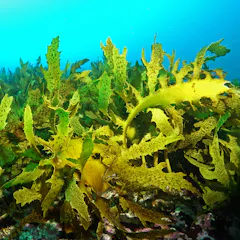
Cool-water kelp forests are being eaten by tropical species moving south on warming waters.
The increasing use of the sea for human activities has resulted in a dramatic rise in noise levels.
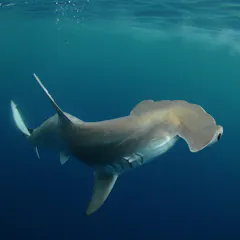
New South Wales wants to extend its shark net program after a spate of attacks in the north of state.
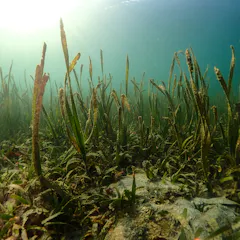
Seagrass is more than just a bit of sea greenery.
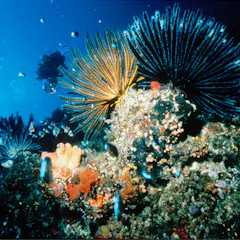
Australia has the third largest marine jurisdiction in the world, a vast ocean territory that contains important natural and biological resources. And it needs protecting.
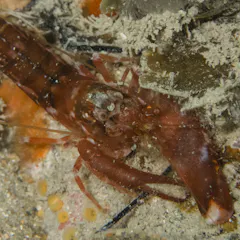
The oceans are filled with sounds produced by animals. However, a recent study shows that ocean sounds are diminishing due to nutrient pollution and ocean acidification.
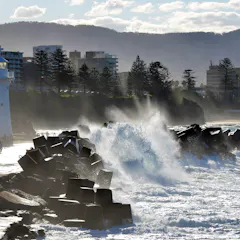
We’ve building in the sea for centuries, and it’s putting our oceans out of balance.
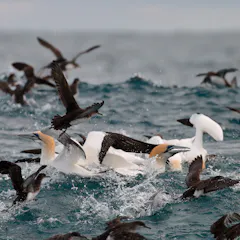
More of Australia’s oceans should be placed under high protection, according to the latest marine reserves review.
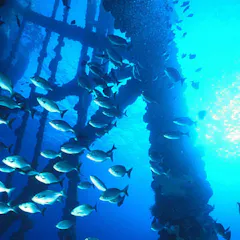
In coming decades many oil and gas platforms will have to be retired. Rather than being dismantled, they could be given a new lease of life as artificial reefs, helping industry and the environment.
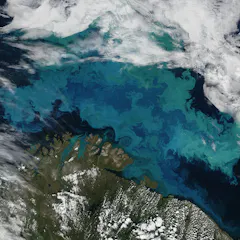
Tiny organisms change ocean acidity to benefit themselves.
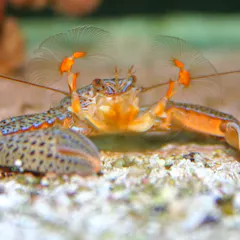
‘Smell-free seas’ would be a disaster for marine life.
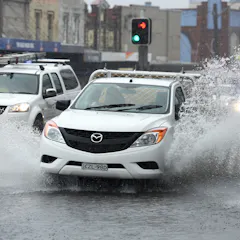
Storms like those that lashed Australia’s east coast flush pollution out to sea.
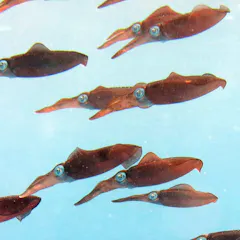
Cephalopods are able to adapt rapidly to changing conditions.
The next cancer breakthrough could be found in international waters – but who’s in charge of the high seas?

The Great Barrier Reef might get all the attention, but what about our western coral reefs? Warmer waters and human impacts mean these reefs are in trouble.

It didn’t turn out well for the whale who went to Westminster, but others have made a happy home in British waters.

The 2011 Japan tsunami illustrates how more marine creatures are crossing the oceans than ever before - and not all of them are friendly travellers.
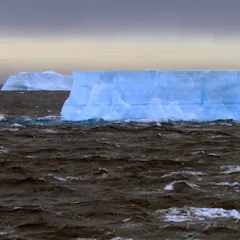
Iron and nutrients from Antarctica’s bedrock are carried into the oceans – nourishing entire food webs.
Top contributors
-

Professor of Marine Botany, The University of Western Australia
-
Associate professor, Macquarie University
-
Professor, Macquarie University
-
Professor, Conservation Biology, The University of Queensland
-
Professor and Deputy Vice-Chancellor (Research), University of Sydney
-
Chief Research Scientist - Environment, CSIRO
-
Professor, Marine Biology, Adelaide University
-
Distinguished Professor of Marine Science, King Abdullah University of Science and Technology
-
Professor of Marine Fisheries Ecology, Macquarie University
-
Professor Evolution & Ecology, UNSW
-
Postdoctoral Research Fellow, The University of Western Australia
-
Wen Family Chair in Conservation, The University of Western Australia
-
Professor in marine ecology, UNSW
-
Research Fellow in Marine Ecology, Marine Biological Association
-
Postdoctoral researcher, marine ecology, Adelaide University