
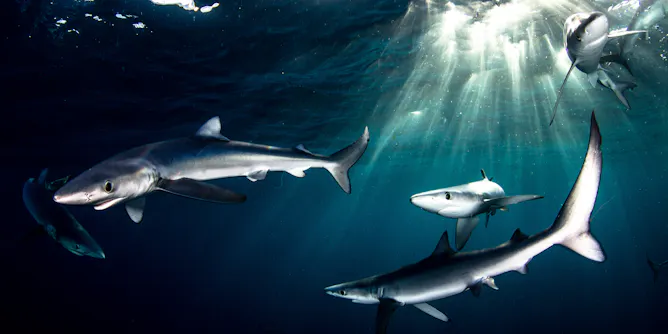
Sharks grow slowly and produce few young compared to bony fishes. In many cases, this means that their populations are fished out faster than can be replenished if not well managed.
Articles on Marine ecosystems
Displaying 41 - 60 of 179 articles

In the design of marine protected areas, new research suggests that it might be better to start small in order to gain local trust and support that leads to larger long-term benefits.

Harmful algae blooms are an increasing problem in Florida. Once nutrients are in the water to fuel them, little can be done to stop the growth, and the results can be devastating for marine life.

Climate change is strengthening the division between the ocean surface and the abyss.
This is not an imaginary future dystopia. It’s a scientific projection of Australia under 3°C of global warming – a future we must both strenuously try to avoid, but also prepare for.
In the ocean, phytoplankton helped by diazotrophs play an outstanding role in withdrawing CO₂ from the atmosphere. But climate change is disturbing this delicate balance.
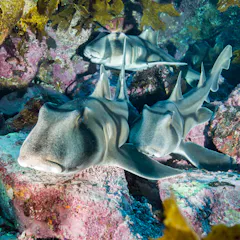
Even within a species, animals will suffer climate change differently. For sharks, it pays to live in warmer waters.
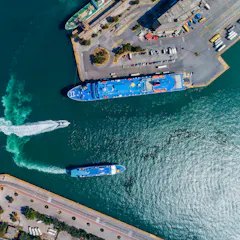
China’s signature foreign policy is controversial for lots of reasons. But the environmental damage potentially wrought by the project has received scant attention.
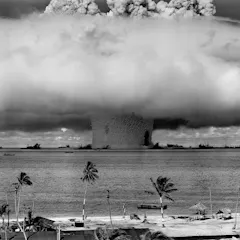
Marine fish could serve as a crucial global emergency food supply in times of crisis, if marine ecosystems were in a healthy state to start with.
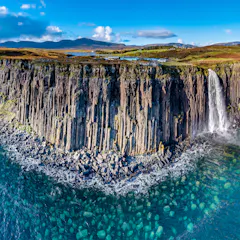
Maerl beds are the coral reefs of the British Isles. But like their tropical counterparts, they’re threatened by climate change.

Sexual reproduction helps keep coral colonies diverse and resilient. Now, scientists are doing it in a lab to restock flagging reefs.
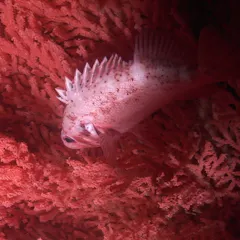
Here’s how microplastics from your clothes end up in the deep sea.

The surprise decision is an important win for many Australians, but reform of Australia’s offshore petroleum laws is urgently required to protect marine environments.
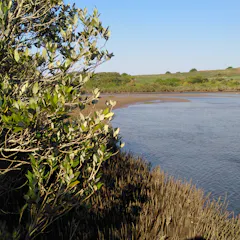
Scientists are building up a picture of how much carbon can be taken out of the atmosphere and stored in coastal ecosystems.

Hundreds of thousands of lakes, rivers and streams in the Arctic exist only because of the permafrost that lies beneath them. The warming Arctic threatens to change that.
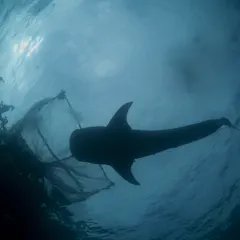
Shark fisheries in Indonesia are an important economic resource in several areas. Hence, stronger regulations are needed to prevent declines in shark population.

Although less well known than its cousins, coral reefs and mangroves, seagrass plays a crucial role in climate change mitigation.
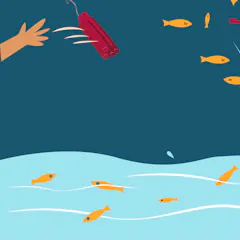
Our study found that some individuals who previously participated in destructive fishing practices can transform into inspiring leaders and influence others to protect coral reefs.
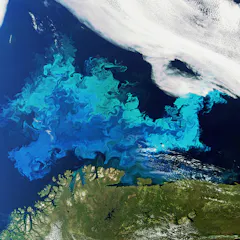
Populations of plankton are in decline. If we push this critical foundation of the marine food chain to extinction, we could cripple ecosystems for millions of years.

Coastal communities are helping scientists understand the impacts of marine heatwaves — and find solutions.
Top contributors
-

Professor of Marine Botany, The University of Western Australia
-
Associate professor, Macquarie University
-
Professor, Macquarie University
-
Professor, Conservation Biology, The University of Queensland
-
Professor and Deputy Vice-Chancellor (Research), University of Sydney
-
Chief Research Scientist - Environment, CSIRO
-
Professor, Marine Biology, Adelaide University
-
Distinguished Professor of Marine Science, King Abdullah University of Science and Technology
-
Professor of Marine Fisheries Ecology, Macquarie University
-
Professor Evolution & Ecology, UNSW
-
Postdoctoral Research Fellow, The University of Western Australia
-
Wen Family Chair in Conservation, The University of Western Australia
-
Professor in marine ecology, UNSW
-
Research Fellow in Marine Ecology, Marine Biological Association
-
Postdoctoral researcher, marine ecology, Adelaide University